recombination signal binding protein for immunoglobulin kappa J region
Last updated 8 Sept 2025
Meets Patient’s editorial guidelines
- DownloadDownload
- Share
- Language
- Discussion
- Ask Patient
- Audio Version
- Add to preferred sources on Google
The RBPJ gene provides instructions for making a protein called RBP-J, which is an integral part of a signaling pathway known as the Notch pathway. Notch signaling controls how certain types of cells develop in the growing embryo, including those that form the bones, heart, muscles, nerves, and blood. Signaling through the Notch pathway stimulates the RBP-J protein to attach (bind) to specific regions of DNA and control the activity of genes that play a role in cellular development.
Video picks for GenesVideo library
Normal function
The RBPJ gene provides instructions for making a protein called RBP-J, which is an integral part of a signaling pathway known as the Notch pathway. Notch signaling controls how certain types of cells develop in the growing embryo, including those that form the bones, heart, muscles, nerves, and blood. Signaling through the Notch pathway stimulates the RBP-J protein to attach (bind) to specific regions of DNA and control the activity of genes that play a role in cellular development.
Conditions referring to this gene or chromosome
Other names
CBF-1
CBF1
H-2K binding factor-2
IGKJRB
IGKJRB1
RBP-J
RBP-J kappa
RBP-JK
RBPJK
RBPSUH
SUH
SUH_HUMAN
Patient picks for Genes
Treatment and medication
Check your medicines for interactions
Use this medicine and drug interaction checker to see whether your medicines, supplements, vitamins, foods, or certain health conditions may interact with each other. It can help you understand potential risks, avoid unwanted side effects, and decide when it’s important to speak to a pharmacist, GP, or other healthcare professional. The tool is suitable for checking both prescription and over-the-counter medicines, as well as common supplements and herbal remedies. Open in a new window

Diet and nutrition
How a protein-packed breakfast can boost your health
When we think of breakfast, we often picture a bowl of cornflakes with milk. While it’s a classic morning staple, it might not be the most effective way to start your day, as it lacks protein. Adding more protein to your breakfast can boost your energy levels and help keep you feeling full for longer.
by Victoria Raw

General health and lifestyle
Book a Pharmacy First online consultation
NHS Pharmacy First is a new scheme from the Government and NHS in England. It allows patients to get treatment, including prescription medications where necessary, for common conditions without t... Through NHS Pharmacy First, My Local Surgery offers fast, free private online consultations with an NHS pharmacist for quick diagnosis and.
by Thomas Andrew Porteus, MBCS
Healthy living
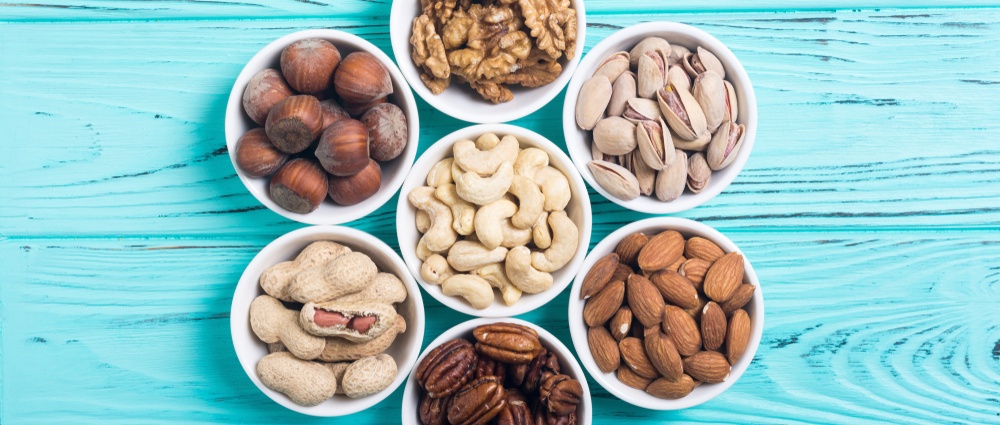
8 high-protein nuts to boost your strength
Packed with protein, delicious, easy to eat, and versatile - nuts are a great source of fuel for people building their fitness and strength. But not all nuts are created equal, which is why we count down the top eight nuts you should eat while strength training and serve these up with tasty recipe ideas.
by Lynn Stephen

Diet and nutrition
10 sources of plant-based protein for bone health
Plant-based diets are growing in popularity. People choose this way of eating for various reasons - to boost their health, help animals, and protect the environment. But switching to a plant-based diet may mean you're missing out on vital, bone-friendly nutrients. One of these is protein.
by Victoria Raw

Mental health
Halloween - making 'scary season' work for everyone
Whether it’s social pressure, a higher tolerance for ‘jump scares’, or a need to perform for the ‘gram, Halloween seems to have become a month-long fear-fest. But where does the shock and gore leave people who don’t want extreme horror? If your family or friendship group is a mix of fright fans and apple bobbing enthusiasts, read on to help everyone make the most of scary season.
by Claire Kenny
Related patient information and medicines
Patient information leaflet
Guillain-Barré syndrome
G... Guillain-Barré syndrome is an autoimmune disease. The immune system normally makes small proteins (antibodies) to attack bacteria, viruses, and other germs. For example, you may need help and support with feeding and breathing until the symptoms ease. Some specific treatments that may be given include one or more of the following:.

Patient information leaflet
The immune system
This leaflet gives a brief overview of the immune system and how it works. A person with a weak immune system might have difficulty fighting off infections. In autoimmune diseases the body is unable to tell what is its own and what is foreign, so it attacks itself. Autoimmune diseases can attack any part of the body - eg, type 1 diabetes.
Patient information leaflet
Antibody and antigen tests
Tests to det... What is the difference between antibodies and antigens. Antibodies are small proteins that circulate in the bloodstream. They are part of the body's defence (immune) system and are sometimes called immunoglobulins. They are made by a type of white blood cell (a B lymphocyte). Antibodies attach to proteins and other chemicals in the.

Patient information leaflet
Allergies
UK-based support and information is available from charities such as Anaphylaxis UK an... These events are co-ordinated by the immune system. A person is exposed to the allergen. Antibodies or immunoglobulins production. When the immune system detects the allergen, it produces an immune system protein called an antibody. Antibodies are also called.
Patient information leaflet
Mpox virus
Mpox Photo of a child with Monkeypox Mpox, previously known as monkeypox, is an infection caused by the mpox virus. Antibodies are proteins made by our immune system during infection. Cidofovir can cause problems in the kidneys. Immunoglobulins Immunoglobulins are antibodies. These are proteins that are made by the body's immune system to fight.
Patient information leaflet
Bornholm disease
Bornholm disease is an illness which causes flu-like symptoms, together with pain in the chest or tummy (abdomen). Young babies are most at risk of serious complications. Babies may need preventative treatment (immunoglobulin) to help prevent complications. What is Bornholm disease. The recommended treatment is called immunoglobulin. This is given.
Further reading and references
- recombination signal binding protein for immunoglobulin kappa J region; MedlinePlus, National Library of Medicine.
- Castel D, Mourikis P, Bartels SJ, Brinkman AB, Tajbakhsh S, Stunnenberg HG. Dynamic binding of RBPJ is determined by Notch signaling status. Genes Dev. 2013 May 1;27(9):1059-71. doi: 10.1101/gad.211912.112.
- Hassed SJ, Wiley GB, Wang S, Lee JY, Li S, Xu W, Zhao ZJ, Mulvihill JJ, Robertson J, Warner J, Gaffney PM. RBPJ mutations identified in two families affected by Adams-Oliver syndrome. Am J Hum Genet. 2012 Aug 10;91(2):391-5. doi: 10.1016/j.ajhg.2012.07.005.
- Zanotti S, Canalis E. Notch signaling in skeletal health and disease. Eur J Endocrinol. 2013 May 8;168(6):R95-103. doi: 10.1530/EJE-13-0115. Print 2013 Jun.
Share your thoughts or experiences with others in our patient communities.
Simple access to trusted treatments and health services online.
Common conditions
Get help with common conditions through the NHS, without a GP appointment.





Sign up to the Patient newsletter
Your weekly dose of clear, trustworthy health advice - written to help you feel informed, confident and in control.
By subscribing you accept our Privacy Policy. You can unsubscribe at any time. We never sell your data.