snail family transcriptional repressor 2
Last updated 17 Aug 2022
Meets Patient’s editorial guidelines
- DownloadDownload
- Share
- Language
- Discussion
- Ask Patient
- Audio Version
- Add to preferred sources on Google
The SNAI2 gene (often called SLUG) provides the instructions for making a protein called snail 2. Snail 2 belongs to the snail protein family, which plays a role in the formation of tissues during embryonic development. The snail 2 protein is also found in most adult tissues, so it probably helps maintain the normal function of cells after birth. To carry out these roles, snail 2 attaches to critical regions of DNA and helps control the activity of particular genes. On the basis of this action, the protein is called a transcription factor.
Video picks for GenesVideo library
Normal function
The SNAI2 gene (often called SLUG) provides the instructions for making a protein called snail 2. Snail 2 belongs to the snail protein family, which plays a role in the formation of tissues during embryonic development. The snail 2 protein is also found in most adult tissues, so it probably helps maintain the normal function of cells after birth. To carry out these roles, snail 2 attaches to critical regions of DNA and helps control the activity of particular genes. On the basis of this action, the protein is called a transcription factor.
Research indicates that the snail 2 protein is required during embryonic growth for the development of cells called neural crest cells. Neural crest cells migrate from the developing spinal cord to specific regions in the embryo and give rise to many tissues and cell types, including some nerve tissue and pigment-producing cells called melanocytes. Melanocytes produce the pigment melanin, which contributes to hair, eye, and skin colour. Melanocytes are also found in certain regions of the brain and inner ear. The snail 2 protein probably plays a role in the formation and survival of melanocytes.
Conditions referring to this gene or chromosome
Other names
neural crest transcription factor SLUG
SLUG
slug homolog, zinc finger protein (chicken)
SLUG_HUMAN
SLUGH1
snail 2
snail family zinc finger 2
snail homolog 2 (Drosophila)
SNAIL2
WS2D
Patient picks for Genes

Podcasts
The parental minefield
How often have you said something quite ordinary to a parent, or they’ve said something to you and suddenly the room feels like it’s about to explode? Welcome to the parental nightmare. It’s not just about conflict, it’s about what’s hidden underneath these relationships – family secrets, unspoken stories, patterns of behaviour passed from one generation to the next. In this episode Clare and Aileen explore the complex, often lifelong, relationship we have with our parents and discuss practical strategies to help you navigate this important relationship.
by Thomas Andrew Porteus, MBCS

Mental health
Not quite 'back to normal': a guide to post-pandemic family healing
When news broke in late 2019 of a virus spreading rapidly across the globe, the word ‘unprecedented’ quickly became part of everyday vocabulary in the months that followed. The outbreak of Covid-19 marked the world’s most significant public health crisis in at least a century, shaking the foundations of the one place we usually feel most secure - the home. It is no surprise that years of disrupted routines have left a lasting mark on the family unit. From the sudden loss of support networks to the blurring of boundaries between home, school, and work, the pandemic reshaped how families function. We spoke with a psychotherapist to explore these long-term psychological ripples and why reflecting on that period is essential for understanding - and healing - the family dynamic today.
by Victoria Raw
Podcasts
What are relationships anyway?
Relationships – what are they? We often think of relationships as intimate with a partner and yet we actually have hundreds of relationships with friends, family, at work, at play even with nature and beyond. Clare and Aileen kick off the season by discussing the breadth of relationships.
by Thomas Andrew Porteus, MBCS
COVID-19
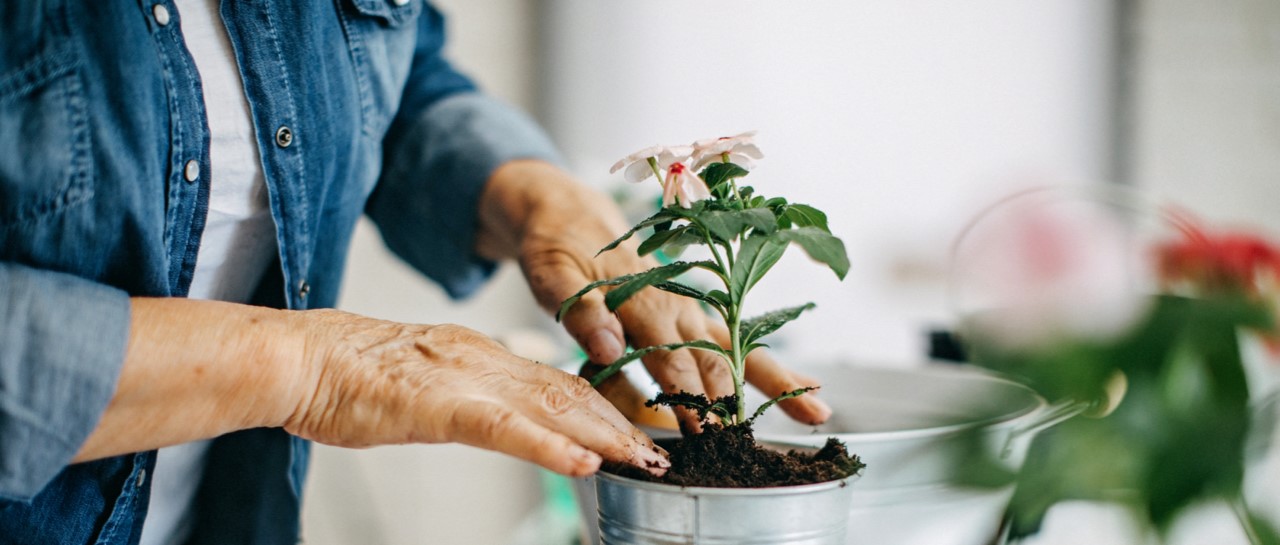
COVID-19: how to support vulnerable friends and family during the coronavirus pandemic
Current coronavirus lockdown measures are especially challenging for older people and those with mental health issues and underlying health conditions. We look at how to support vulnerable loved ones during the COVID-19 pandemic.
by Sally Turner

Children's health
Pearson syndrome: how one family learned to live in the present
Pearson syndrome is a rare and serious mitochondrial disorder that typically affects infants and young children. There is currently no cure, and it is usually life-threatening. We follow one family’s journey of living with the condition, exploring how it shapes their everyday lives, the challenges they face, and what it truly means to cherish every moment.
by Victoria Raw
COVID-19
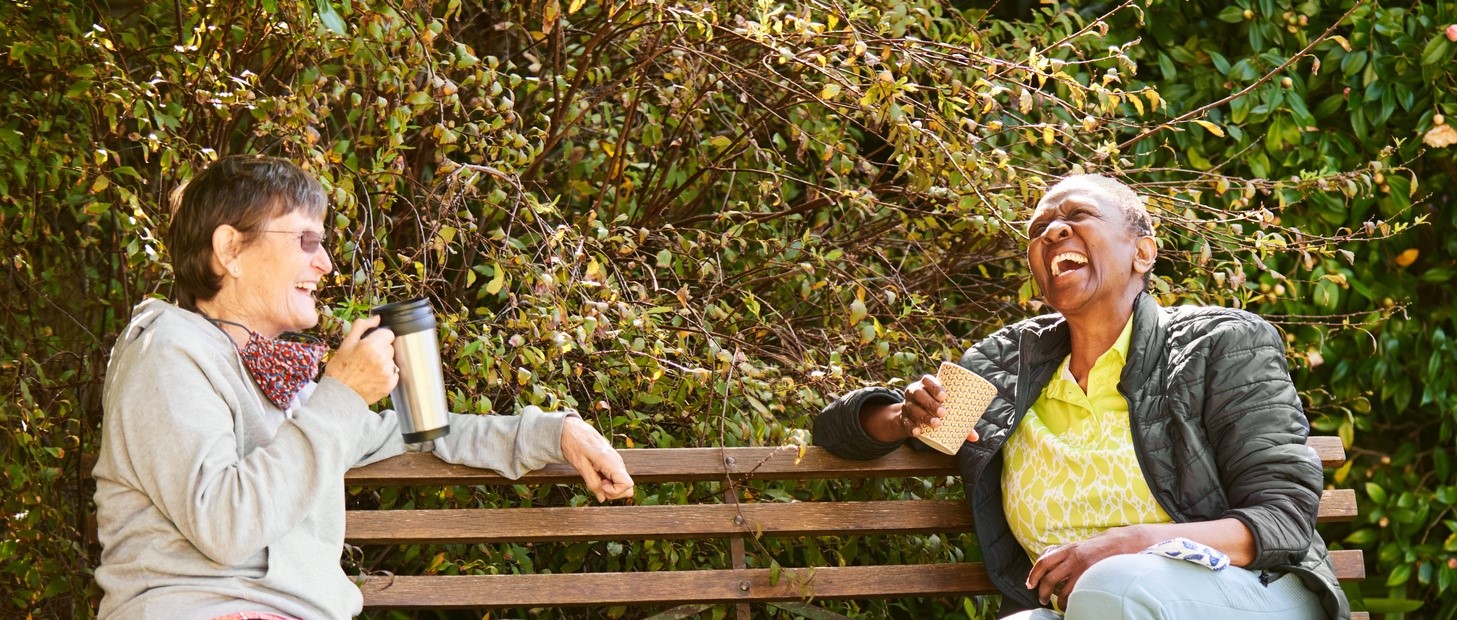
How to meet friends and family safely outdoors
Across the UK, lockdowns are easing and we're allowed to see friends and family outside (and indoors too if you live in England or Scotland). But that doesn't mean the risk of spreading COVID-19 has vanished; you still need to take precautions to keep yourself and your loved ones safe.
by Andrea Downey
Related patient information and medicines

Patient information leaflet
Schistosomiasis
How do you get schistosomiasis. Schistosomiasis is a tropical disease caused by a parasitic infection with worms from the Schistosomatidae family. A parasite is an animal that lives on or in another animal and feeds from it. Schistosoma parasite Schistosoma mansoni There are th... How common is schistosomiasis. The World Health Organization (WHO).

Patient information leaflet
Roundworms
Roundworms (also called nematodes) are worms with a long round body. They vary in length from several millimetres to up to two metres. Roundworms... Soil and water supplies may become contaminated with roundworm eggs in areas of poor sanitation. Many roundworms have a complicated life cycle that includes both main hosts (large mammals such as.

Patient information leaflet
Tinnitus
For example: Tinnitus often develops at the same time as the heari... Ménière's disease. In this condition you develop attacks of dizziness (vertigo), hearing loss and tinnitus. It is due to a problem of the cochlea - a snail-shaped chamber filled with fluid, in the inner ear. Exposure to very loud noise. Some people develop persistent tinnitus.

Patient information leaflet
Can I take Azithromycin and Terbutaline together?
Taking azithromycin and terbutaline together may increase the risk of developing an irregular heart rhythm. Using othe... Our Medicines Interaction Checker helps you check whether your prescriptions, over-the-counter medicines, and supplements are safe to take together. Simply search for your medicines to see potential interactions and what to do.

Patient information leaflet
Contraception after having a baby
If you have had stitches, these are usually dissolvable so will not need removing. If you are having any discomfort from these then you should see your doctor or midwife. Some women find they need to use some vaginal lubricant if they feel more dry than normal. Where can I get contraception from. If you had your baby in hospital, you might have.

Patient information leaflet
Can I take Aspirin and Naproxen together?
Why this happens Both drugs belong to the same family (NSAIDs) and work by blocking enzymes called COX-1 and COX-2. Our Medicines Interaction Checker helps you check whether your prescriptions, over-the-counter medicines, and supplements are safe to take together. Disclaimer This information is for general educational purposes only and should not.
Further reading and references
- snail family transcriptional repressor 2; MedlinePlus, National Library of Medicine.
- Cohen ME, Yin M, Paznekas WA, Schertzer M, Wood S, Jabs EW. Human SLUG gene organization, expression, and chromosome map location on 8q. Genomics. 1998 Aug 1;51(3):468-71. doi: 10.1006/geno.1998.5367.
- Dessinioti C, Stratigos AJ, Rigopoulos D, Katsambas AD. A review of genetic disorders of hypopigmentation: lessons learned from the biology of melanocytes. Exp Dermatol. 2009 Sep;18(9):741-9. doi: 10.1111/j.1600-0625.2009.00896.x. Epub 2009 Jun 23.
- Hemavathy K, Guru SC, Harris J, Chen JD, Ip YT. Human Slug is a repressor that localizes to sites of active transcription. Mol Cell Biol. 2000 Jul;20(14):5087-95. doi: 10.1128/MCB.20.14.5087-5095.2000.
- Lopez V, Jorda E. Piebaldism in a 2-year-old girl. Dermatol Online J. 2011 Feb 15;17(2):13.
- Sanchez-Martin M, Perez-Losada J, Rodriguez-Garcia A, Gonzalez-Sanchez B, Korf BR, Kuster W, Moss C, Spritz RA, Sanchez-Garcia I. Deletion of the SLUG (SNAI2) gene results in human piebaldism. Am J Med Genet A. 2003 Oct 1;122A(2):125-32. doi: 10.1002/ajmg.a.20345.
- Sanchez-Martin M, Rodriguez-Garcia A, Perez-Losada J, Sagrera A, Read AP, Sanchez-Garcia I. SLUG (SNAI2) deletions in patients with Waardenburg disease. Hum Mol Genet. 2002 Dec 1;11(25):3231-6. doi: 10.1093/hmg/11.25.3231.
Share your thoughts or experiences with others in our patient communities.
Simple access to trusted treatments and health services online.
Common conditions
Get help with common conditions through the NHS, without a GP appointment.





Sign up to the Patient newsletter
Your weekly dose of clear, trustworthy health advice - written to help you feel informed, confident and in control.
By subscribing you accept our Privacy Policy. You can unsubscribe at any time. We never sell your data.