sequestosome 1
Last updated 20 Nov 2025
Meets Patient’s editorial guidelines
- DownloadDownload
- Share
- Language
- Discussion
- Ask Patient
- Audio Version
- Add to preferred sources on Google
The SQSTM1 gene provides instructions for making a protein called sequestosome-1. This protein helps regulate bone remodeling, a normal process in which old bone is broken down and replaced by new bone. Sequestosome-1 is involved in a chemical signaling pathway that promotes the formation and activity of bone cells called osteoclasts, which are specialized cells that break down bone tissue during bone remodeling.
Video picks for GenesVideo library
Normal function
The SQSTM1 gene provides instructions for making a protein called sequestosome-1. This protein helps regulate bone remodeling, a normal process in which old bone is broken down and replaced by new bone. Sequestosome-1 is involved in a chemical signaling pathway that promotes the formation and activity of bone cells called osteoclasts, which are specialized cells that break down bone tissue during bone remodeling.
In addition to its role in bone remodeling, sequestosome-1 may have other functions, although these are less well-defined. Sequestosome-1 may be involved in recycling worn-out cell parts and unneeded proteins (autophagy), the self-destruction of cells when they are no longer needed (apoptosis), and the body's immune responses and inflammatory reactions.
Conditions referring to this gene or chromosome
Other names
A170
autophagy receptor p62
OSIL
p60
p62
p62B
PDB3
ubiquitin-binding protein p62
ZIP3
Patient picks for Genes

Video
From Bliss to Blame I The Sex and Relationships Podcast I S2E5
Have you ever found yourself thinking, ‘What on earth was I doing? This person is all wrong for me’, when only a few months ago they seemed perfect? How did that feeling of bliss when you’re finishing each other’s sentences and laughing at the same jokes turn to irritation, resentment and blaming them for everything that’s wrong? Clare and Aileen help you understand the natural cycle from falling-in-love bliss to relationship blame, why it happens, and how to navigate your way through it. Dip into some of the things Clare and Aileen chat about in this episode: 03:51 What’s happening to our bodies during the bliss phase 10:54 Difference – the good, the bad and the ugly 17:35 The danger of confiding in people who agree with you 20:49 Tips for navigating through the bliss to blame phases 23:50 Esther Perel – many different marriages within the same marriage 26:08 Tips on better communication 28:03 Has this relationship come to the end of the road? 34:22 Tips on how to have honest conversations with partners and friends Want to know more? If you want to hear more about what to do when sexual attraction starts to fade in a relationship listen to Episode 7 “Lust or Bust” from Season 1: [https://www.youtube.com/watch?v=oczHRWuev30&list=PLx6Nf3acNljjvrnko9zfaOBzGCQxLrTic&index=7](https://www.youtube.com/watch?v=oczHRWuev30&list=PLx6Nf3acNljjvrnko9zfaOBzGCQxLrTic&index=7) Visit our website The Sex and Relationships Podcast for more information on the issues discussed in this episode: [https://thesexandrelationshipspodcast.com/](https://thesexandrelationshipspodcast.com/) You can also Ask Clare a question or suggest a topic for future episodes. Follow us on social media: Instagram: [https://www.instagram.com/s3x_and_relationships_podcast/profilecard/?igsh=MXIza3BxeWg3OTJxOA%3D%3D](https://www.instagram.com/s3x_and_relationships_podcast/profilecard/?igsh=MXIza3BxeWg3OTJxOA%3D%3D) Facebook: [https://www.facebook.com/people/The-Sex-and-Relationships-Podcast-With-Therapists-Clare-Janet/61558082319934/](https://www.facebook.com/people/The-Sex-and-Relationships-Podcast-With-Therapists-Clare-Janet/61558082319934/) About the Sex and Relationships Podcast This podcast is for anyone looking for information or help with their sex lives or relationships. In this season your hosts Clare Prendergast and Aileen Gonsalves deep dive into the world of relationships to give you insights, advice and top tips to help guide you through your relationships. Your hosts Clare Prendergast is a sex and relationships therapist and draws on her knowledge and years of experience in the therapy room to give you help and guidance. Aileen Gonsalves is fascinated in human behaviour and drawing on her many years in the theatre has developed the unique Gonsalves Method which helps people be more present and develop authentic connections with those around them.

Anorexia Q&A
How long does anorexia last?
Dr Sarah Jarvis Anorexia is most common among teenage girls, but it can develop much later in life. Bulimia affects about 1 in 12 women in the UK, usually from their late teens-40s. Both are much more common in women than in men, but men can be affected too. Until recently, there has been a particular stigma around eating disorders in people from ethnic minorities, but it is becoming clear that anyone can be affected, regardless of age, gender or ethnicity. [https://patient.info/health/eating-disorders/types-of-eating-disorder](https://patient.info/health/eating-disorders/types-of-eating-disorder)
by Dr Sarah Jarvis

STI
How do you get genital warts?
Dr Sarah Jarvis MBE The virus is passed on by sexual contact. You need close skin-to-skin contact to pass on the virus. This means that you do not necessarily need to have penetrative sex to pass on infection. Sharing sex toys may also pass on infection. Very rarely, anogenital warts may be passed on from hand warts. They may also rarely be passed on to a baby when a woman gives birth. [https://patient.info/health/sexually-transmitted-infections-leaflet/anogenital-warts#nav-1](https://patient.info/health/sexually-transmitted-infections-leaflet/anogenital-warts#nav-1)
by Dr Sarah Jarvis

Contraceptive implant
Can you get pregnant when you have the implant?
Dr Rosemary Leonard Only around 1 in 3,000 sexually active women using the implant will become pregnant each year, often because they were actually pregnant at the time of insertion. This is the lowest contraceptive failure rate of any method, including sterilisation (male or female). In fact in most studies of the implant, no women became pregnant at all. For more information on the contraceptive implant, go to [https://patient.info/health/long-acting-reversible-contraceptives-larc/contraceptive-implant](https://patient.info/health/long-acting-reversible-contraceptives-larc/contraceptive-implant)
by Dr Rosemary Leonard MBE, MRCGP

Planning pregnancy
How many days do you have to get pregnant?
Dr Sarah Jarvis MBE The fertile time lasts for approximately 8-9 days in each cycle. It is from seven days before ovulation until 1-2 days after ovulation. Ovulation occurs when a woman releases an egg from an ovary - usually once a month. An egg survives for about 24 hours. However, sperm can survive for up to seven days after sex. For more information on planning a pregnancy, go to [https://patient.info/pregnancy](https://patient.info/pregnancy)
by Dr Sarah Jarvis
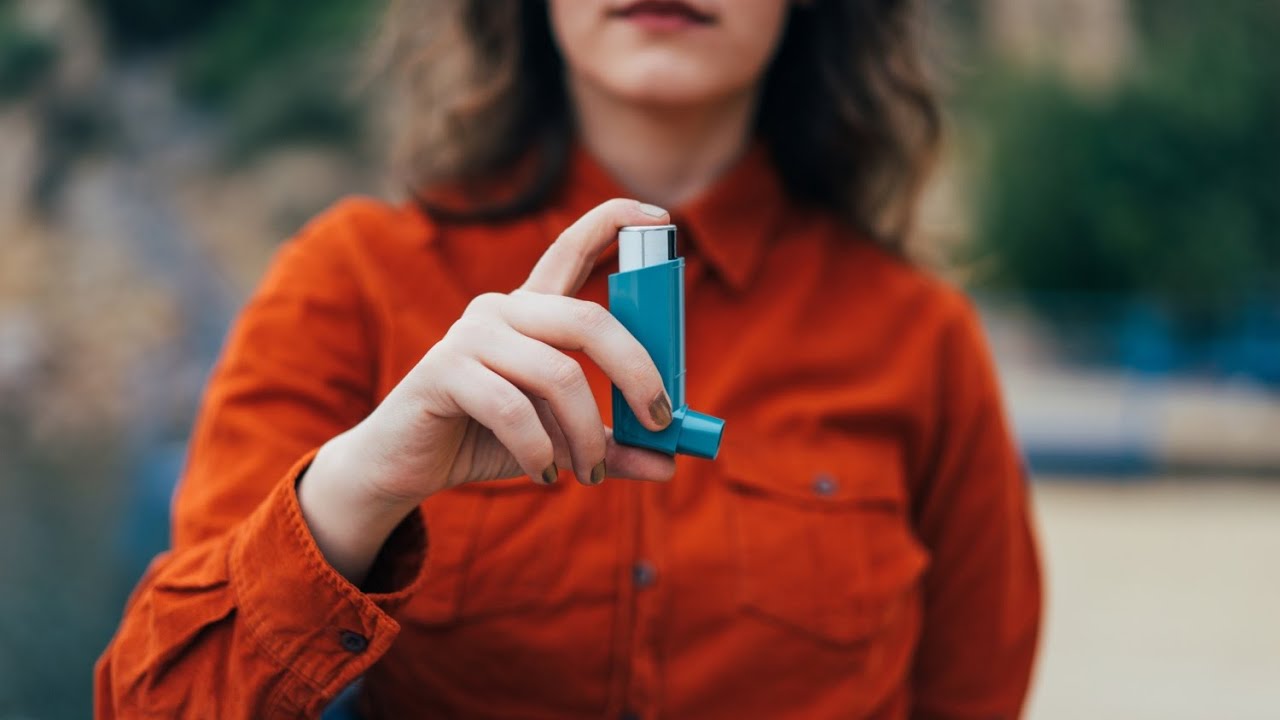
Asthma & COPD
How do I know if I have asthma?
Dr Sarah Jarvis MBE The common symptoms are cough and wheeze. You may also become breathless and develop a feeling of chest tightness. Symptoms can range from mild to severe between different people and at different times in the same person. Each episode of symptoms may last just an hour or so, or persist for days or weeks unless treated. [https://patient.info/health/asthma-leaflet#nav-1](https://patient.info/health/asthma-leaflet#nav-1)
by Dr Sarah Jarvis
Related patient information and medicines

Patient information leaflet
Type 2 diabetes treatment
This can lead to dehydration, drowsiness and serious illness. See the leaflet that comes in the medicine packet for full details of cautions and possible side-effects. The risk of ketoacidosis is higher if: You are generally unwell. Pioglitazone Pioglitazone Pioglitazone tablets for diabetes is a thiazolidinedione (sometimes called a glitazone)..

Patient information leaflet
Wilson's disease
Wilson's disease is a genetic disorder in which copper builds up in the body, mainly in the liver and brain. Without any treatment, the build-up of copper can cause serious symptoms. Treatment is with medication to remove the excess copper and/or to prevent a further build-up of copper. What is Wilson's disease. Wilson's disease is a condition.

Patient information leaflet
Port-wine stain
A port-wine stain is a differently coloured patch of skin that a baby is born with. It is usually over their face, neck or scalp, and looks pink or pale purple. It is often called a port-wine birthmark now. What is a port-wine stain. A baby's skin is normally pretty much the same colour all over. But with a port-wine stain the baby has a patch of.

Patient information leaflet
Haemophilia
Haemophilia is a rare bleeding disorder that affects your ability to make a clot. The blood contains substances called clotting factors that work with platelets t... Genes and haemophilia In the centre (nucleus) of most cells in your body, the DNA molecule is packaged into thread-like structures called chromosomes. A gene is the basic unit of your.

Patient information leaflet
Kidney stones
Kidney stones are hard stones that can cause severe pain in your side along with blood in your urine, and nausea and vomiting. You are more likely to develop kidney stones if you eat a Western diet, don't drink enough fluids or are overweight. Once you have had one episode they are likely to recur but there are several kidney stone treatment.

Patient information leaflet
Immunisation for flu
Influenza (flu) Flu is a common viral infection that tends to be most common in the winter. Flu can cause much more severe symptoms than the common cold Common cold. Some people can become seriously ill with flu, needing hospital treatment, and it can be life-threatening. Certain groups of people, such as older adults and young children, are at.
Further reading and references
- sequestosome 1; MedlinePlus, National Library of Medicine.
- Banaganapalli B, Fallatah I, Alsubhi F, Shetty PJ, Awan Z, Elango R, Shaik NA. Paget's disease: a review of the epidemiology, etiology, genetics, and treatment. Front Genet. 2023 Apr 26;14:1131182. doi: 10.3389/fgene.2023.1131182. eCollection 2023.
- Bucelli RC, Arhzaouy K, Pestronk A, Pittman SK, Rojas L, Sue CM, Evila A, Hackman P, Udd B, Harms MB, Weihl CC. SQSTM1 splice site mutation in distal myopathy with rimmed vacuoles. Neurology. 2015 Aug 25;85(8):665-74. doi: 10.1212/WNL.0000000000001864. Epub 2015 Jul 24.
- Cavey JR, Ralston SH, Hocking LJ, Sheppard PW, Ciani B, Searle MS, Layfield R. Loss of ubiquitin-binding associated with Paget's disease of bone p62 (SQSTM1) mutations. J Bone Miner Res. 2005 Apr;20(4):619-24. doi: 10.1359/JBMR.041205. Epub 2004 Dec 6.
- Davidson JM, Chung RS, Lee A. The converging roles of sequestosome-1/p62 in the molecular pathways of amyotrophic lateral sclerosis (ALS) and frontotemporal dementia (FTD). Neurobiol Dis. 2022 May;166:105653. doi: 10.1016/j.nbd.2022.105653. Epub 2022 Feb 7.
- Goode A, Layfield R. Recent advances in understanding the molecular basis of Paget disease of bone. J Clin Pathol. 2010 Mar;63(3):199-203. doi: 10.1136/jcp.2009.064428. Epub 2009 Oct 26.
- Hocking LJ, Lucas GJ, Daroszewska A, Mangion J, Olavesen M, Cundy T, Nicholson GC, Ward L, Bennett ST, Wuyts W, Van Hul W, Ralston SH. Domain-specific mutations in sequestosome 1 (SQSTM1) cause familial and sporadic Paget's disease. Hum Mol Genet. 2002 Oct 15;11(22):2735-9. doi: 10.1093/hmg/11.22.2735.
- Laurin N, Brown JP, Morissette J, Raymond V. Recurrent mutation of the gene encoding sequestosome 1 (SQSTM1/p62) in Paget disease of bone. Am J Hum Genet. 2002 Jun;70(6):1582-8. doi: 10.1086/340731. Epub 2002 Apr 30.
- Morissette J, Laurin N, Brown JP. Sequestosome 1: mutation frequencies, haplotypes, and phenotypes in familial Paget's disease of bone. J Bone Miner Res. 2006 Dec;21 Suppl 2:P38-44. doi: 10.1359/jbmr.06s207.
- Muto V, Flex E, Kupchinsky Z, Primiano G, Galehdari H, Dehghani M, Cecchetti S, Carpentieri G, Rizza T, Mazaheri N, Sedaghat A, Vahidi Mehrjardi MY, Traversa A, Di Nottia M, Kousi MM, Jamshidi Y, Ciolfi A, Caputo V, Malamiri RA, Pantaleoni F, Martinelli S, Jeffries AR, Zeighami J, Sherafat A, Di Giuda D, Shariati GR, Carrozzo R, Katsanis N, Maroofian R, Servidei S, Tartaglia M. Biallelic SQSTM1 mutations in early-onset, variably progressive neurodegeneration. Neurology. 2018 Jul 24;91(4):e319-e330. doi: 10.1212/WNL.0000000000005869. Epub 2018 Jun 29.
- Rea SL, Walsh JP, Ward L, Magno AL, Ward BK, Shaw B, Layfield R, Kent GN, Xu J, Ratajczak T. Sequestosome 1 mutations in Paget's disease of bone in Australia: prevalence, genotype/phenotype correlation, and a novel non-UBA domain mutation (P364S) associated with increased NF-kappaB signaling without loss of ubiquitin binding. J Bone Miner Res. 2009 Jul;24(7):1216-23. doi: 10.1359/jbmr.090214.
- Rendina D, Falchetti A, Diacinti D, Bertoldo F, Merlotti D, Giannini S, Cianferotti L, Girasole G, Di Monaco M, Gonnelli S, Malavolta N, Minisola S, Vescini F, Rossini M, Frediani B, Chiodini I, Asciutti F, Gennari L. Diagnosis and treatment of Paget's disease of bone: position paper from the Italian Society of Osteoporosis, Mineral Metabolism and Skeletal Diseases (SIOMMMS). J Endocrinol Invest. 2024 Jun;47(6):1335-1360. doi: 10.1007/s40618-024-02318-1. Epub 2024 Mar 15.
- Salari M, Etemadifar M, Neshat Ghalibaf M, Azizi F, Davoodi M, Asadi S. Neurodegeneration, Ataxia, Dystonia, and Gaze Palsy (NADGP) Syndrome with Nocturnal Paroxysmal Head Tremor. Mov Disord Clin Pract. 2023 Apr 20;10(5):835-838. doi: 10.1002/mdc3.13697. eCollection 2023 May. No abstract available.
Share your thoughts or experiences with others in our patient communities.
Simple access to trusted treatments and health services online.
Common conditions
Get help with common conditions through the NHS, without a GP appointment.





Sign up to the Patient newsletter
Your weekly dose of clear, trustworthy health advice - written to help you feel informed, confident and in control.
By subscribing you accept our Privacy Policy. You can unsubscribe at any time. We never sell your data.