spectrin repeat containing nuclear envelope protein 1
Last updated 18 Aug 2020
Meets Patient’s editorial guidelines
- DownloadDownload
- Share
- Language
- Discussion
- Ask Patient
- Audio Version
- Add to preferred sources on Google
The SYNE1 gene provides instructions for making a protein called Syne-1 that is found in many tissues, but it seems to be especially critical in the brain. The Syne-1 protein plays a role in the maintenance of the part of the brain that coordinates movement (the cerebellum). The Syne-1 protein is active (expressed) in Purkinje cells, which are located in the cerebellum and are involved in chemical signaling between nerve cells (neurons). The protein is thought to attach the membrane of Purkinje cells to the actin cytoskeleton, which is a network of fibers that make up the cell's structural framework. It is not clear what role this attachment plays in Purkinje cell function.
Video picks for GenesVideo library
Normal function
The SYNE1 gene provides instructions for making a protein called Syne-1 that is found in many tissues, but it seems to be especially critical in the brain. The Syne-1 protein plays a role in the maintenance of the part of the brain that coordinates movement (the cerebellum). The Syne-1 protein is active (expressed) in Purkinje cells, which are located in the cerebellum and are involved in chemical signaling between nerve cells (neurons). The protein is thought to attach the membrane of Purkinje cells to the actin cytoskeleton, which is a network of fibers that make up the cell's structural framework. It is not clear what role this attachment plays in Purkinje cell function.
Conditions referring to this gene or chromosome
Other names
ARCA1
MYNE1
myocyte nuclear envelope protein 1
Nesp1
nesprin-1
nuclear envelope spectrin repeat protein 1
spectrin repeat containing, nuclear envelope 1
SYNE1_HUMAN
Patient picks for Genes
Healthy living
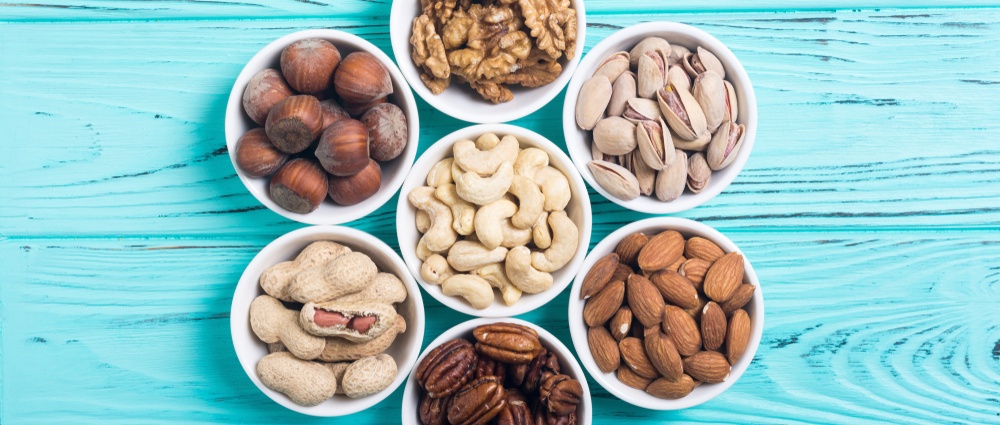
8 high-protein nuts to boost your strength
Packed with protein, delicious, easy to eat, and versatile - nuts are a great source of fuel for people building their fitness and strength. But not all nuts are created equal, which is why we count down the top eight nuts you should eat while strength training and serve these up with tasty recipe ideas.
by Lynn Stephen

Diet and nutrition
How a protein-packed breakfast can boost your health
When we think of breakfast, we often picture a bowl of cornflakes with milk. While it’s a classic morning staple, it might not be the most effective way to start your day, as it lacks protein. Adding more protein to your breakfast can boost your energy levels and help keep you feeling full for longer.
by Victoria Raw

Kidney and urinary tract
Proteinuria
Proteins are molecules that are found in almost every part of the body, including in the blood. The kidneys normally have a filter which stops protein from entering the urine, except in very tiny amounts; however, kidney problems can cause higher levels of protein to be found in the urine.
by Dr Doug McKechnie, MRCGP
Healthy living
Natural protein verses protein powder: which is better for strength training?
Consuming enough protein is essential for building strong muscles. Protein powder shakes are not a complete replacement for natural protein sources found in your food. However, you may consider supplementing your diet and strength-training regime with protein shakes. Before you decide if this is right for you, there are several benefits and considerations to take into account.
by Amberley Davis

Diet and nutrition
10 sources of plant-based protein for bone health
Plant-based diets are growing in popularity. People choose this way of eating for various reasons - to boost their health, help animals, and protect the environment. But switching to a plant-based diet may mean you're missing out on vital, bone-friendly nutrients. One of these is protein.
by Victoria Raw

Treatment and medication
Are protein shakes good for weight loss?
Protein shakes have experienced a surge in popularity recently, with many people now drinking them daily to aid their journeys to improved fitness and better health. But what benefits do they offer, and can you drink protein shakes for weight loss?
by Emily Jane Bashforth
Related patient information and medicines

Patient information leaflet
Cataracts
... Key points A cataract is when the lens inside your eye becomes cloudy, making your vision blurry and causing glare, faded colours, and trouble seeing in bright or dim light. It usually affects older people and is a normal part of ageing. However, protecting your eyes from UV light, eating a healthy diet rich in antioxidants, not smoking, and.

Patient information leaflet
Porphyria
The porphyrias are a group of disorders in which there is a problem with the production of haem (also spelled heme) within the body. Haem is used to make haemoglobin in red blood cells. There are seven different types of porphyria and in most cases they run in families (are inherited). Haem is mainly made in the liver and in bone marrow. Haem is.

Patient information leaflet
Healthy eating
Also, a main way of preventing obesity Obesity and weight loss and overweight is to eat a healthy diet. You can ... A 2019 review by the SACN (The Scientific Advisory Committee on Nutrition) determined that reducing your intake of saturated fats lowers your risk of developing coronary heart disease, although there was no evidence that it reduces.

Patient information leaflet
Ectopic pregnancy
It occurs in about 11 in 1,000 pregnancies. Although many ectopic pregnancies are now treated without the need for an operation, you should always see a doctor urgently if you think you have an ectopic pregnancy symptoms. Symptoms include lower tummy (abdominal) pain which can become severe. A ruptured ectopic pregnancy is life-threatening,.

Patient information leaflet
Nephrotic syndrome
Nephrotic syndrome is a condition where the 'filters' in the kidney become 'leaky' and large amounts of protein leak from the blood into the urine. The main symptom is fluid retention (oedema) which is mainly due to the low protein level in the blood. Various diseases can cause nephrotic syndrome, some more serious than others. Nephrotic syndrome.

Patient information leaflet
DMSA scan
The results should be given by the hospital... How does a DMSA scan work. A DMSA scan is a type of radionuclide scan Radionuclide scan. A radionuclide (sometimes called a radioisotope or isotope) is a chemical which emits a type of radioactivity called gamma rays. A tiny amount of radionuclide is put into the body, usually by an injection into a.
Further reading and references
- spectrin repeat containing nuclear envelope protein 1; MedlinePlus, National Library of Medicine.
- Beaudin M, Gamache PL, Gros-Louis F, Dupre N. SYNE1 Deficiency. 2007 Feb 23 [updated 2018 Dec 6]. In: Adam MP, Bick S, Mirzaa GM, Wallace SE, Amemiya A, editors. GeneReviews(R) [Internet]. Seattle (WA): University of Washington, Seattle; 1993-2026. Available from http://www.ncbi.nlm.nih.gov/books/NBK1379/
- Dupre N, Gros-Louis F, Chrestian N, Verreault S, Brunet D, de Verteuil D, Brais B, Bouchard JP, Rouleau GA. Clinical and genetic study of autosomal recessive cerebellar ataxia type 1. Ann Neurol. 2007 Jul;62(1):93-8. doi: 10.1002/ana.21143.
- Gros-Louis F, Dupre N, Dion P, Fox MA, Laurent S, Verreault S, Sanes JR, Bouchard JP, Rouleau GA. Mutations in SYNE1 lead to a newly discovered form of autosomal recessive cerebellar ataxia. Nat Genet. 2007 Jan;39(1):80-5. doi: 10.1038/ng1927. Epub 2006 Dec 10.
Share your thoughts or experiences with others in our patient communities.
Simple access to trusted treatments and health services online.
Common conditions
Get help with common conditions through the NHS, without a GP appointment.





Sign up to the Patient newsletter
Your weekly dose of clear, trustworthy health advice - written to help you feel informed, confident and in control.
By subscribing you accept our Privacy Policy. You can unsubscribe at any time. We never sell your data.