zinc finger MYM-type containing 2
Last updated 18 Aug 2020
Meets Patient’s editorial guidelines
- DownloadDownload
- Share
- Language
- Discussion
- Ask Patient
- Audio Version
- Add to preferred sources on Google
The ZMYM2 gene (previously known as ZNF198) provides instructions for making a protein whose function is not clearly understood. It is a member of a family of zinc finger proteins, which contain one or more short regions called zinc finger domains. The zinc finger domains in the ZMYM2 protein are thought to allow it to regulate interactions between other proteins. ZMYM2 is found in the nucleus of the cell, where it likely associates with other proteins. Through these associations, the ZMYM2 protein may be involved in repairing DNA errors, controlling gene activity, or forming structures in the nucleus called PML nuclear bodies that block the growth and division of cells and promote their self-destruction (apoptosis).
Video picks for GenesVideo library
Normal function
The ZMYM2 gene (previously known as ZNF198) provides instructions for making a protein whose function is not clearly understood. It is a member of a family of zinc finger proteins, which contain one or more short regions called zinc finger domains. The zinc finger domains in the ZMYM2 protein are thought to allow it to regulate interactions between other proteins. ZMYM2 is found in the nucleus of the cell, where it likely associates with other proteins. Through these associations, the ZMYM2 protein may be involved in repairing DNA errors, controlling gene activity, or forming structures in the nucleus called PML nuclear bodies that block the growth and division of cells and promote their self-destruction (apoptosis).
Conditions referring to this gene or chromosome
Other names
FIM
fused in myeloproliferative disorders protein
MYM
RAMP
rearranged in an atypical myeloproliferative disorder
SCLL
zinc finger MYM-type protein 2
zinc finger protein 198
zinc finger, MYM-type 2
ZMYM2_HUMAN
ZNF198
Patient picks for Genes
Healthy living
Zinc deficiency, excess and supplementation
Zinc is needed for many of the chemical reactions which are going on inside us all the time at micro-level. We get zinc from our diets but not getting enough can cause a wide variety of symptoms, some of which are very vague.
by Dr Toni Hazell, FRCGP

Diabetes
Type 2 diabetes
Type 2 diabetes can occur at any age, including during childhood, but it occurs mainly in people aged over 40. The first-line treatment is diet, weight control and physical activity. The good news is that many people can stay well using these lifestyle measures. However if the blood sugar (glucose) level remains high then tablets to reduce the blood glucose level are usually advised. Insulin injections are needed in some cases. Other treatments include reducing blood pressure if it is high, lowering high cholesterol levels, and also other measures to reduce the risk of complications.
by Dr Colin Tidy, MRCGP
Treatment and medication
Fingertip units for topical steroids
Topical steroids are used for various skin conditions. The amount of topical steroid that you should apply is commonly measured by fingertip units.
by Dr Doug McKechnie, MRCGP

Diabetes
Diabetes diet: managing type 2 diabetes
If you have type 2 diabetes it is often difficult to know which foods you should or should not eat. Here we explain the key elements of a diabetes diet to help you prevent or delay associated health problems, and address some common myths around eating with type 2 diabetes.
by Lawrence Higgins

Bones, joints and muscles
Trigger finger
A trigger finger does not straighten easily. The cause is not clear. Sometimes it settles and goes away without treatment. An injection of steroid will usually cure the problem. A small operation is needed in a small number of cases.
by Dr Hayley Willacy, FRCGP

Infections
Can zinc lozenges protect against coughs, colds, flu, and COVID-19?
Zinc helps our immune systems to fight upper respiratory tract infections (URTIs) such as coughs, colds, and flus including COVID-19. In light of the COVID-19 pandemic, new research suggests that taking zinc lozenges or supplements may help both to prevent and to reduce the length of these illnesses.
by Amberley Davis
Related patient information and medicines
Patient information leaflet
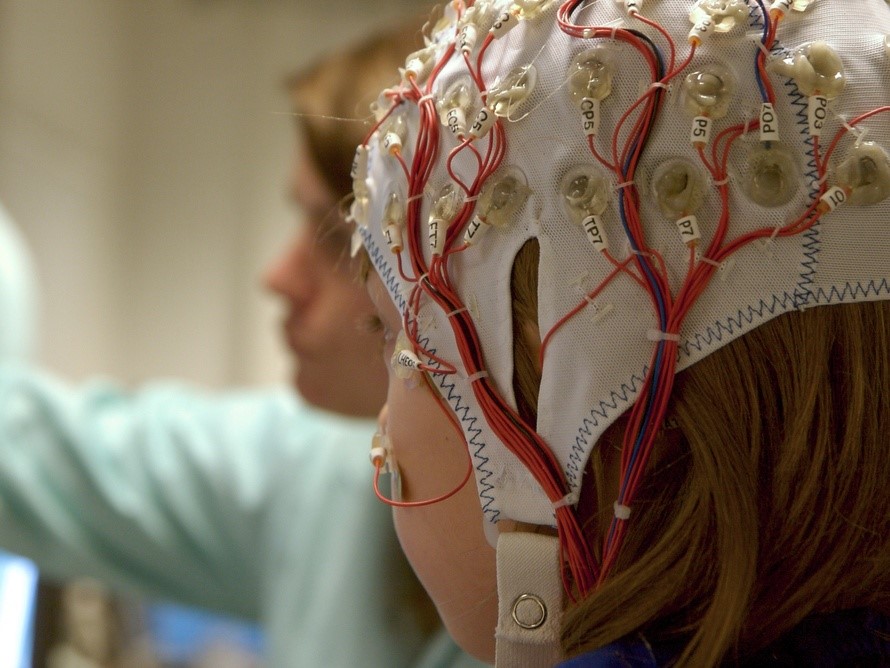
Types of seizures
A seizure is a condition caused by a sudden burst of electrical activity in the brain. There are different types of seizures. This leaflet gives some information about what your doctor may wish to know and what tests may be advised after such an event. What is a seizure. A seizure is a short episode of symptoms caused by a burst of abnormal.
Patient information leaflet
Can I take Ciprofloxacin and Doxycycline together?
Multivitamins and minerals (Iron, Magnesium, Zinc, Aluminium) Supplements or fortified foods containing these minerals can stop these antibiotics from working. Take your medicine at least 2 hours before or 4-6 hours after any s... Our Medicines Interaction Checker helps you check whether your prescriptions, over-the-counter medicines, and.

Patient information leaflet
Lung cancer
There are several types of primary lung cancer. Other tests are therefore needed... Dr Krishna Vakharia , 16th October 2023 The National Institute for Health and Care Excellence (NICE) has recommended that a person should receive a diagnosis or ruling out of cancer within 28 days of being referred urgently by their GP for suspected cancer..

Patient information leaflet
Paget's disease of bone
They work in a balanced way to make and mould bone, repair damage and keep the bone structure correctly woven. There is a slow but constant turnover of bone. What is Paget's disease of bone. Paget's disease of bone was first described by Sir James Paget in 1877. (It is a different condition to Paget's disease of breast.). This leaflet is only.
Patient information leaflet
Paronychia
Paronychia is a common infection of the skin around the nails of the fingers or toes. It may be acute or chronic. Treatm... Antibiotics If the infection is caused by bacteria, then a healthcare worker may prescribe an oral antibiotic Antibiotics. Antibiotics commonly used for paronychia include flucloxacillin Flucloxacillin for infection or.
Patient information leaflet
Primary bone cancer
Most commonly, cancers of the breast Breast cancer , prostate. Secondary bone cancer is common. The behaviour, treatment and outlook of secondary types of primary bone cancers are often quite different to primary bone cancer. Cancers of blood cells that originate in the bone marrow are not classified as bone cancers. Examples include: leukaemia.
Further reading and references
- zinc finger MYM-type containing 2; MedlinePlus, National Library of Medicine.
- Gocke CB, Yu H. ZNF198 stabilizes the LSD1-CoREST-HDAC1 complex on chromatin through its MYM-type zinc fingers. PLoS One. 2008 Sep 22;3(9):e3255. doi: 10.1371/journal.pone.0003255.
- Jackson CC, Medeiros LJ, Miranda RN. 8p11 myeloproliferative syndrome: a review. Hum Pathol. 2010 Apr;41(4):461-76. doi: 10.1016/j.humpath.2009.11.003.
- Kunapuli P, Kasyapa CS, Chin SF, Caldas C, Cowell JK. ZNF198, a zinc finger protein rearranged in myeloproliferative disease, localizes to the PML nuclear bodies and interacts with SUMO-1 and PML. Exp Cell Res. 2006 Nov 15;312(19):3739-51. doi: 10.1016/j.yexcr.2006.06.037. Epub 2006 Aug 14.
- Kunapuli P, Somerville R, Still IH, Cowell JK. ZNF198 protein, involved in rearrangement in myeloproliferative disease, forms complexes with the DNA repair-associated HHR6A/6B and RAD18 proteins. Oncogene. 2003 May 29;22(22):3417-23. doi: 10.1038/sj.onc.1206408.
- Xiao S, McCarthy JG, Aster JC, Fletcher JA. ZNF198-FGFR1 transforming activity depends on a novel proline-rich ZNF198 oligomerization domain. Blood. 2000 Jul 15;96(2):699-704.
- Xiao S, Nalabolu SR, Aster JC, Ma J, Abruzzo L, Jaffe ES, Stone R, Weissman SM, Hudson TJ, Fletcher JA. FGFR1 is fused with a novel zinc-finger gene, ZNF198, in the t(8;13) leukaemia/lymphoma syndrome. Nat Genet. 1998 Jan;18(1):84-7. doi: 10.1038/ng0198-84.
Share your thoughts or experiences with others in our patient communities.
Simple access to trusted treatments and health services online.
Common conditions
Get help with common conditions through the NHS, without a GP appointment.





Sign up to the Patient newsletter
Your weekly dose of clear, trustworthy health advice - written to help you feel informed, confident and in control.
By subscribing you accept our Privacy Policy. You can unsubscribe at any time. We never sell your data.