What is pharmacogenomics?
Meets Patient’s editorial guidelines
- DownloadDownload
- Share
- Language
- Discussion
- Ask Patient
- Audio Version
- Add to preferred sources on Google
Pharmacogenomics is the study of how genes affect a person’s response to drugs. This field combines pharmacology (the science of drugs) and genomics (the study of genes and their functions) to develop effective, safe medications that can be prescribed based on a person’s genetic makeup.
Video picks for Understanding geneticsVideo library
Overview
Pharmacogenomics is the study of how genes affect a person’s response to drugs. This field combines pharmacology (the science of drugs) and genomics (the study of genes and their functions) to develop effective, safe medications that can be prescribed based on a person’s genetic makeup.
Many drugs that are currently available are “one size fits all,” but they don't work the same way for everyone. It can be difficult to predict who will benefit from a medication, who will not respond at all, and who will experience negative side effects (called adverse drug reactions). Adverse drug reactions are a significant cause of hospitalizations and deaths in the United States.
Researchers are learning how variants in genes affect the body’s response to medications. These genetic differences will be used to predict whether a medication will be effective for a particular person and which dose will help prevent adverse drug reactions. Conditions that affect a person’s response to certain drugs include clopidogrel resistance, warfarin sensitivity, warfarin resistance, malignant hyperthermia, Stevens-Johnson syndrome/toxic epidermal necrolysis, and thiopurine S-methyltransferase deficiency.
The field of pharmacogenomics is growing, and new approaches are under study in clinical trials. In the future, pharmacogenomics will be used to develop tailored drugs to treat a wide range of health problems, including cardiovascular disease, Alzheimer's disease, cancer, and asthma.
Patient picks for Understanding genetics

Podcasts
The Big O... Oh No!
Clare and Janet discuss orgasms - and what can help if it isn’t happening for you or your partner. Also the myths surrounding female orgasm. Do you really know what the clitoris looks like?!
by Thomas Andrew Porteus, MBCS

Health research
What is a clinical trial?
We need clinical trials to understand how new treatments work on people. If successful, they may eventually be used in the real world by those who need them for a better quality of life. Find out all about how clinical trials work, along with personal insights from Alice - who has participated in around 50 trials over his life.
by Amberley Davis

Diet and nutrition
What is the carnivore diet and is it healthy?
The carnivore diet is one of the fastest-growing dietary trends on social media. Far from your average high-protein low-carb diet, on the carnivore diet you eat meat, and meat alone. If this sounds questionable for your health and contrary to mainstream nutritional advice, that's because it is.
by Victoria Raw

Podcasts
Coming, ready or not
Is sex over too quickly? If orgasm comes too soon - known as rapid or premature ejaculation - it doesn’t have to be game over. Clare and Janet explore why it happens and what can help.
by Thomas Andrew Porteus, MBCS
Diet and nutrition
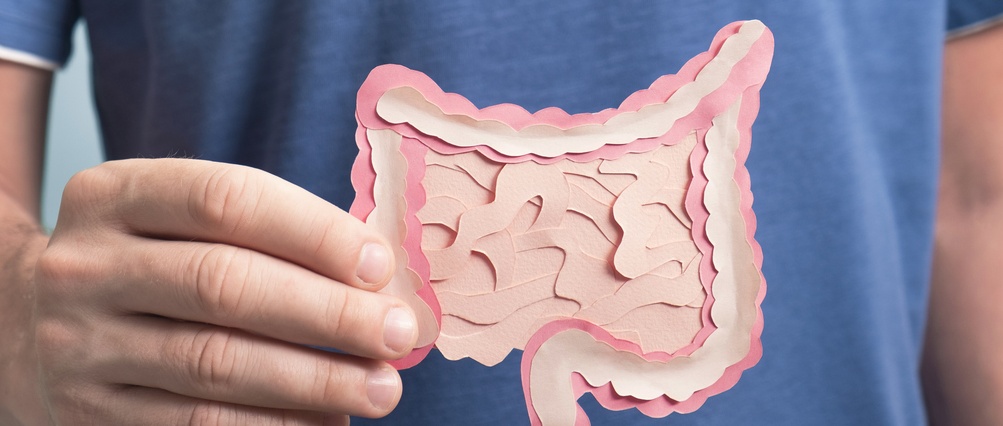
What is your gut microbiome?
Let’s talk about something small that has a big impact on your health - the gut microbiome. This hidden universe of microbes plays an important role in your wellbeing. How you treat these tiny residents can make a world of difference to how you feel.
by Victoria Raw

Diet and nutrition
What is fibremaxxing - and how healthy is it really?
There are plenty of so-called health or self-improvement trends circulating that lean on the idea of taking things to the extreme, dialling whatever they focus on up to eleven. Viral movements that promise to push everything ‘to the max’ - not just with one X, but two - may sound empowering at first glance, but pushing yourself to the edge is rarely the healthiest approach for your wellbeing. From Looksmaxxing to Sleepmaxxing, we now have Fibremaxxing - but what exactly is it, and is it really as questionable as the rest?
by Victoria Raw
Related patient information and medicines

Patient information leaflet
Weight loss injection research survey
We’re running a short research survey to better understand people’s experiences, views, and information needs around weight loss injections, sometimes referred to as weight loss jabs. These medicines are increasingly discussed in the UK, but experiences of access, use, and support vary widely. The aim of this survey is to gather real-world insight.

Patient information leaflet
Subconjunctival haemorrhage
A subconjunctival haemorrhage is one common cause of a red eye. It is caused by a small bleed behind the covering of the eye. It can look alarming but it usually causes no symptoms and is usually harmless. The redness usually clears within two weeks. What is a subconjunctival haemorrhage. Subconjunctival haemorrhage: "Red eye" Subconjunctival.
Patient information leaflet
Rhabdomyosarcoma
A rhabdomyosarcoma is a type of soft tissue sarcoma. Rhabdomyosarcomas grow in the muscles of the body. Rhabdomyosarcomas can occur at any age but are much more common in children and only rarely affect adults. The treatments for rhabdomyosarcomas include surgery, chemotherapy or radiotherapy, or a combination of all three. Surgery may be used on.
Patient information leaflet
Calcium pyrophosphate deposition
Calcium pyrophosphate is a substance produced in the cartilages of the joints. It can become deposited as crystals on joint tissues. This is called calcium pyrophosphate deposition. Calcium pyrophosphate deposition can cause a number of problems of which the most well known is pseudogout. This is almost identical to gout, causing attacks of pain.
Patient information leaflet
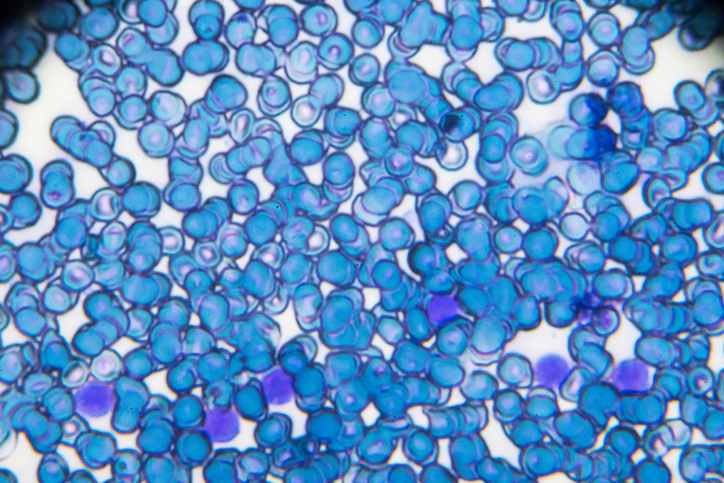
Leukaemia
Leukaemia is a cancer of blood-forming cells. There are different types of leukaemia. If you develop leukaemia it is important to know what type it is. This is because the outlook (prognosis) and treatments vary for the different types. What is leukaemia. Leukaemia is a cancer of cells in the bone marrow (the cells which develop into white blood.

Patient information leaflet
Proctalgia fugax and anal pain
Proctalgia fugax is a fleeting pain in the anus. It lasts less than 20 minutes, with no symptoms whatsoever in between episodes. Levator ani syndrome is a pain which lasts for longer. Both are only diagnosed when no other cause is found. What is proctalgia fugax. Proctalgia fugax is one of a number of conditions which cause anal or rectal pain.
Further reading and references
- What is pharmacogenomics?; MedlinePlus, National Library of Medicine.
Share your thoughts or experiences with others in our patient communities.
Simple access to trusted treatments and health services online.
Common conditions
Get help with common conditions through the NHS, without a GP appointment.





Sign up to the Patient newsletter
Your weekly dose of clear, trustworthy health advice - written to help you feel informed, confident and in control.
By subscribing you accept our Privacy Policy. You can unsubscribe at any time. We never sell your data.