What are proteins and what do they do?
Meets Patient’s editorial guidelines
- DownloadDownload
- Share
- Language
- Discussion
- Ask Patient
- Audio Version
- Add to preferred sources on Google
Proteins are large, complex molecules that play many critical roles in the body. They do most of the work in cells and are required for the structure, function, and regulation of the body’s tissues and organs.
Video picks for Understanding geneticsVideo library
Overview
Proteins are large, complex molecules that play many critical roles in the body. They do most of the work in cells and are required for the structure, function, and regulation of the body’s tissues and organs.
Proteins are made up of hundreds or thousands of smaller units called amino acids, which are attached to one another in long chains. There are 20 different types of amino acids that can be combined to make a protein. The sequence of amino acids determines each protein’s unique 3-dimensional structure and its specific function. Amino acids are coded by combinations of three DNA building blocks (nucleotides), determined by the sequence of genes.
Proteins can be described according to their large range of functions in the body, listed in alphabetical order:
Examples of protein functions
Function
Description
Example
Antibody
Antibodies bind to specific foreign particles, such as viruses and bacteria, to help protect the body.
Immunoglobulin G (IgG)
Enzyme
Enzymes carry out almost all of the thousands of chemical reactions that take place in cells. They also assist with the formation of new molecules by reading the genetic information stored in DNA.
Phenylalanine hydroxylase
Messenger
Messenger proteins, such as some types of hormones, transmit signals to coordinate biological processes between different cells, tissues, and organs.
Growth hormone
Structural component
These proteins provide structure and support for cells. On a larger scale, they also allow the body to move.
Actin
Transport/storage
These proteins bind and carry atoms and small molecules within cells and throughout the body.
Ferritin
Patient picks for Understanding genetics

Healthy living
What does spinning do to your body?
Spinning is currently one of the most popular fitness workouts in the UK. The muscles you use on a spinning bike are some of the largest in your body, making for high-intensity exercise that's also low impact.
by Amberley Davis

Children's health
Breastfeeding: What is colostrum and what are the benefits?
Parents may have heard how good colostrum is for newborns - so much so that it has been nicknamed 'liquid gold'. Not only does it improve immunity and fight germs, this first breastmilk that you produce gives their tiny digestive systems a boost too. But what exactly is colostrum?
by Lawrence Higgins

Ear, nose and throat
What do tonsils do?
The main function of tonsils is to trap germs (bacteria and viruses) which you may breathe in. Proteins called antibodies produced by the immune cells in the tonsils help to kill germs and help to prevent throat and lung infections.
by Dr Mary Harding, MRCGP

Kidney and urinary tract
What do kidneys do?
The kidneys clear waste materials from the body and maintain a normal balance of fluids and chemicals in the body. They also help to control your blood pressure, make certain hormones and regulate the acidity of your blood.
by Dr Laurence Knott
Treatment and medication
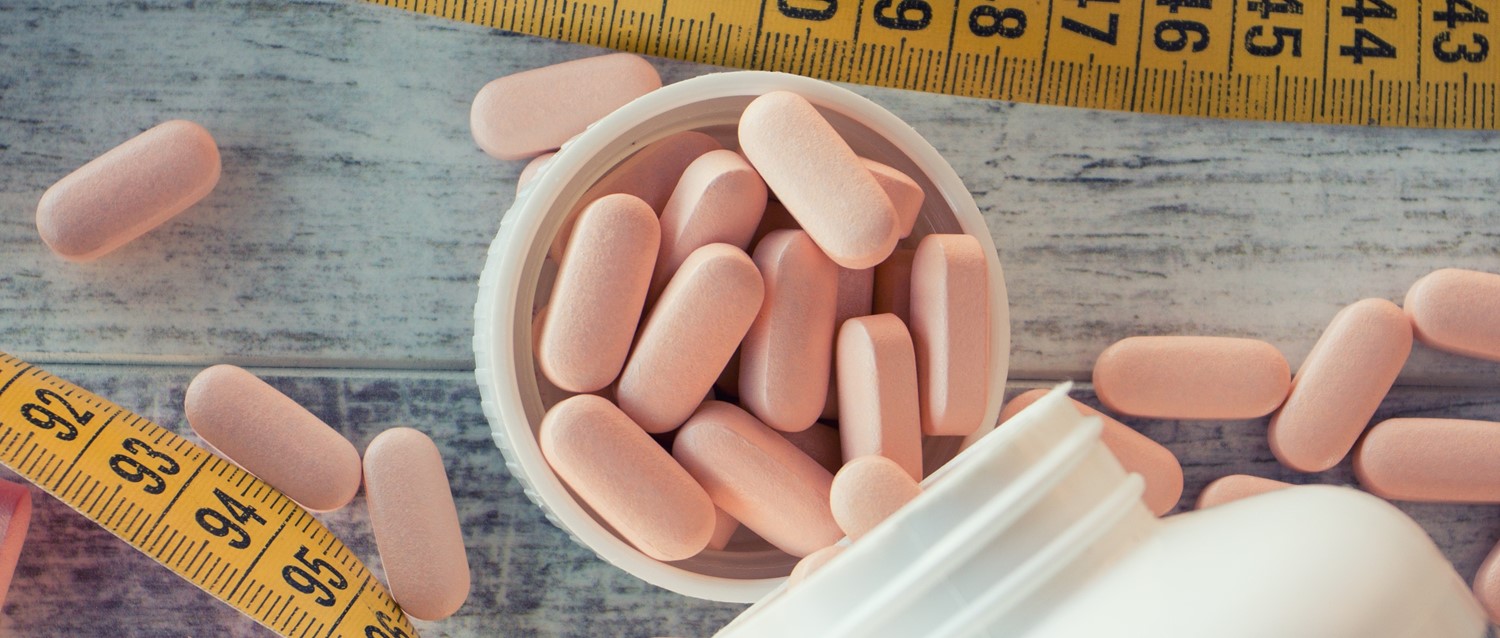
Do diet pills really work – and are they safe?
Every doctor knows that losing weight and keeping weight off in the long term are hard work, and a lifelong battle for some. Hardly surprising, with such a big potential market, that 'miracle' slimming tablets and teas are so widely advertised. But do they work - and are they safe?
by Dr Sarah Jarvis

Heart health and blood vessels
What does a doctor do when they have a heart attack?
I wish I could say it started with a kiss but less romantically it started with my teeth. The old gnashers were playing up, and deferring a visit to the dentist until in absolute agony I did my best to wolf down a bowl of spaghetti.
by Dr Laurence Knott
Related patient information and medicines

Patient information leaflet
Liver function tests
If the liver is sw... Liver function Liver function The liver is a factory for the production and breakdown of carbohydrates, fats, proteins, hormones and other essential body chemicals, and helps dispose of waste products. Glucose, made and released into the blood from glycogen, proteins and fats. Many essential proteins and amino acids (building.

Patient information leaflet
Memory loss and dementia
The most common types of dementia are: Alzheimer's disease This is the most common cause of dementia in older people. The cause of Alzheimer's disease is not fully understood, but it is thought that abnormal proteins, called plaques and tangles, build up in the brain and stop it from working properly. Mixed dementia This is a combination of two or.
Patient information leaflet
Can I take Biotin and Collagen together?
In fact, they are frequently taken together in 'hair, skin, and nails' supplements because they work in different ways to support the body's connecti... Why this happens Biotin is a B-vitamin (B7) that helps the body convert nutrients into energy and supports the production of keratin. Collagen is a structural protein that provides the 'building.

Patient information leaflet
Zinc deficiency, excess and supplementation
We get zinc from our diets but not getting en... As well as many chemical reactions in our bodies, zinc is needed for: Our immune systems to work well to fight off infection. Healing of wounds. Growing. Building the proteins and molecules which are the basis of all our cells. Taste, smell and good vision. What are the causes of zinc deficiency. A.

Patient information leaflet
Colic in babies and infants
Colic is a condition where there are repeated bouts of excessive crying in a baby who is otherwise healthy. Colic is common and can be very distressing for parents. This leaflet discusses some of the colic remedies available, and gives some tips on coping. See the separate leaflet called Cow's Milk Protein Allergy. Cow's milk protein allergy.
Patient information leaflet
Cow's milk protein allergy
Cow's milk protein allergy is one of the most common food allergies seen in children. Cow's milk protein allergy is an allergic condition which is triggered by drinking cow's milk or by drinking or eating products made from cow's milk such as cheese, cream and yoghurt. Cow's milk protein allergy symptoms Skin symptoms, such as itching Itching ,.
Further reading and references
- What are proteins and what do they do?; MedlinePlus, National Library of Medicine.
Share your thoughts or experiences with others in our patient communities.
Simple access to trusted treatments and health services online.
Common conditions
Get help with common conditions through the NHS, without a GP appointment.





Sign up to the Patient newsletter
Your weekly dose of clear, trustworthy health advice - written to help you feel informed, confident and in control.
By subscribing you accept our Privacy Policy. You can unsubscribe at any time. We never sell your data.