What is gene therapy?
Meets Patient’s editorial guidelines
- DownloadDownload
- Share
- Language
- Discussion
- Ask Patient
- Audio Version
- Add to preferred sources on Google
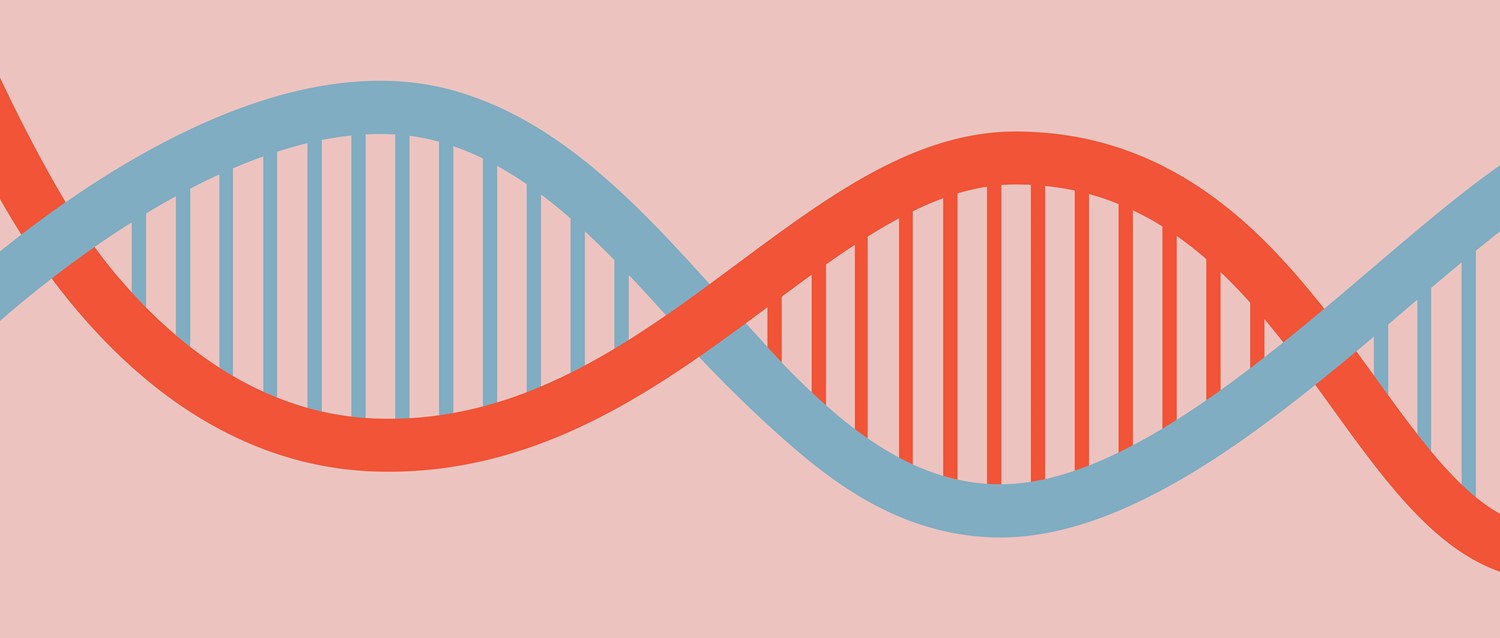
Gene therapy is a medical approach that treats or prevents disease by correcting the underlying genetic problem. Gene therapy techniques allow doctors to treat a disorder by altering a person’s genetic makeup instead of using drugs or surgery.
Video picks for Understanding geneticsVideo library
Overview
Gene therapy is a medical approach that treats or prevents disease by correcting the underlying genetic problem. Gene therapy techniques allow doctors to treat a disorder by altering a person’s genetic makeup instead of using drugs or surgery.
The earliest method of gene therapy, often called gene transfer or gene addition, was developed to:
Introduce a new gene into cells to help fight a disease.
Introduce a non-faulty copy of a gene to stand in for the altered copy causing disease.
Later studies led to advances in gene therapy techniques. A newer technique, called genome editing (an example of which is CRISPR-Cas9), uses a different approach to correct genetic differences. Instead of introducing new genetic material into cells, genome editing introduces molecular tools to change the existing DNA in the cell. Genome editing is being studied to:
Fix a genetic alteration underlying a disorder, so the gene can function properly.
Turn on a gene to help fight a disease.
Turn off a gene that is functioning improperly.
Remove a piece of DNA that is impairing gene function and causing disease.
Gene therapies are being used to treat a small number of diseases, including an eye disorder called Leber congenital amaurosis and a muscle disorder called spinal muscular atrophy. Many more gene therapies are undergoing research to make sure that they will be safe and effective. Genome editing is a promising technique also under study that doctors hope to use soon to treat disorders in people.
Patient picks for Understanding genetics
Children's health
What is a genetic disorder?
It's estimated that one in 25 children in the UK are affected by a genetic disorder - that's around 30,000 babies and children being newly diagnosed each year. Ahead of Jeans for Genes Day on Friday 21st September, an expert reveals seven things you probably didn't know about genetic conditions.
by Natalie Healey

Healthy living
LGBTQ+ people share their personal conversion therapy stories
It's still legal for LGBTQ+ people in the UK to be subjected to conversion therapy, a harmful practice, which aims to suppress or 'cure' people's sexual orientation and/or gender identity. While many of us may be aware of the existence of conversion therapy, much of it happens underground. Therefore, we might not fully understand how it truly affects LGBTQ+ people in the long term.
by Emily Jane Bashforth
Treatment and medication
What is red light therapy? Benefits and risks
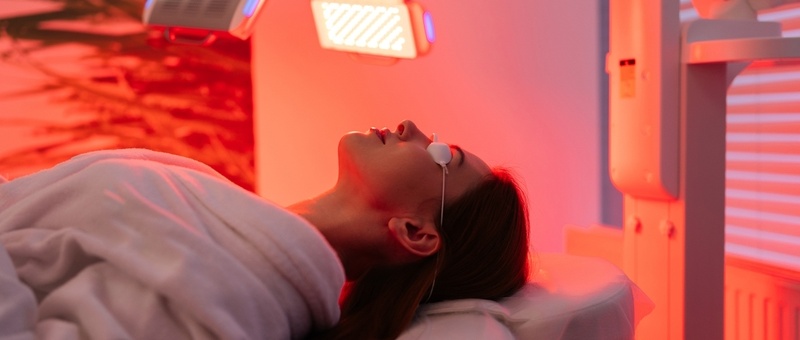
Red light therapy is growing in popularity as a non-invasive treatment for a range of health and cosmetic concerns. Promoted for everything from skin rejuvenation to pain relief, this therapy is now widely available in clinics and even at home. But what is red light therapy, how does it work, and is it safe?
by Josh Alderman

Sexual health
Erectile dysfunction in your 20s and 30s - what causes it?
Erectile dysfunction is often associated with growing older, but it can affect people at any age. If you are in your 20s or 30s and find it difficult to get or keep an erection, you are not alone. It can be frustrating or upsetting, particularly if it feels unexpected, but it is often possible to identify contributing factors and find a treatment that helps. Stress, anxiety, and relationship difficulties can all affect erections. Physical health conditions, medicines, and lifestyle factors can also play a part. Understanding what might be behind the issue is the first step towards getting support.
by Thomas Andrew Porteus, MBCS

Healthy living
What harm can conversion therapy cause and why isn't it banned?
Conversion therapy is a practice involving LGBTQIA+ people and their identities. Sometimes known as 'gay conversion therapy', it is unlicensed and there have been calls for a conversion therapy ban.
by Emily Jane Bashforth

Treatment and medication
How to decide between different types of therapy
Therapy is in demand more than ever before in the UK, with an increasing number of people seeking professional mental health support. However, it can be difficult to distinguish between the different types of therapy available - especially privately - and to know what kind of therapist or counsellor you need.
by Lydia Smith
Related patient information and medicines
Patient information leaflet
Cancer treatment
More specific immunotherapy involves injections of antibodies which aim to attack and destroy certain types of cancer cells. Research is underway to try to find vaccines that would stimulate your own immune system to make antibodies against cancer cells. Gene therapy. This is a new area of possible treatments. Research is underway to find ways of.

Patient information leaflet
Muscular dystrophy
Muscular dystrophy is an inherited (genetic) disorder causing muscle weakness. There are different types of muscular dystrophy, which vary as to how severe they are, ranging from very mild to severe. Genes are made from a biological material called DNA. In the UK, access is subject to ... Gene therapy is a type of treatment that aims to replace.

Patient information leaflet
Huntington's disease
Huntington's disease is a genetically inherited condition that causes parts of the brain and nervous system to stop working properly over time. It is a slowly progressive condition that interferes with the movements of your body, thinking and judgement, and can lead to a change in your behaviour. The symptoms occur because of damage and death of.

Patient information leaflet
Glycogen storage disorders
Other clinical trials are underway that are looking at gene therapy as a treatment. This is where doctors and scientists aim to cure genetic diseases by introducing normal genes into patients to overcome the effects of faulty genes, using techniques of genetic engineering. What is the... The possibilities of new treatments and therapies are.

Patient information leaflet
Cystic fibrosis
Cystic fibrosis is an inherited disease which mainly affects the lungs and pancreas but can involve other organs. Symptoms usually begin in early childhood and include persistent cough, wheeze, repeated chest infections,. What causes cystic fibrosis. Cystic fibrosis is a genetic disorder. A genetic disorder is one that can be passed on from your.

Patient information leaflet
Genetic testing
Genetic testing is a type of medical test that identifies changes in chromosomes, genes or proteins. They are all designed to identify a particular gene that may cause a genetic disorder. The information obtained from genetic testing can have a profound impact on your life so you may be referred to a genetic counsellor Genetic counselling is.
Further reading and references
- What is gene therapy?; MedlinePlus, National Library of Medicine.
Share your thoughts or experiences with others in our patient communities.
Simple access to trusted treatments and health services online.
Common conditions
Get help with common conditions through the NHS, without a GP appointment.





Sign up to the Patient newsletter
Your weekly dose of clear, trustworthy health advice - written to help you feel informed, confident and in control.
By subscribing you accept our Privacy Policy. You can unsubscribe at any time. We never sell your data.