What are CAR T cell therapy, RNA therapy, and other genetic therapies?
Meets Patient’s editorial guidelines
- DownloadDownload
- Share
- Language
- Discussion
- Ask Patient
- Audio Version
- Add to preferred sources on Google
Several treatments have been developed that involve genetic material but are typically not considered gene therapy. Some of these methods alter DNA for a slightly different use than gene therapy. Others do not alter genes themselves, but they change whether or how a gene’s instructions are carried out to make proteins.
Video picks for Understanding geneticsVideo library
Overview
Several treatments have been developed that involve genetic material but are typically not considered gene therapy. Some of these methods alter DNA for a slightly different use than gene therapy. Others do not alter genes themselves, but they change whether or how a gene’s instructions are carried out to make proteins.
Cell-based gene therapy
CAR T cell therapy (or chimeric antigen receptor T cell therapy) is an example of cell-based gene therapy. This type of treatment combines the technologies of gene therapy and cell therapy. Cell therapy introduces cells to the body that have a particular function to help treat a disease. In cell-based gene therapy, the cells have been genetically altered to give them the special function. CAR T cell therapy introduces a gene to a person’s T cells, which are a type of immune cell. This gene provides instructions for making a protein, called the chimeric antigen receptor (CAR), that attaches to cancer cells. The modified immune cells can specifically attack cancer cells.
RNA therapy
Several techniques, called RNA therapies, use pieces of RNA, which is a type of genetic material similar to DNA, to help treat a disorder. In many of these techniques, the pieces of RNA interact with a molecule called messenger RNA (or mRNA for short). In cells, mRNA uses the information in genes to create a blueprint for making proteins. By interacting with mRNA, these therapies influence how much protein is produced from a gene, which can compensate for the effects of a genetic alteration. Examples of these RNA therapies include antisense oligonucleotide (ASO), small interfering RNA (siRNA), and microRNA (miRNA) therapies. An RNA therapy called RNA aptamer therapy introduces small pieces of RNA that attach directly to proteins to alter their function.
Epigenetic therapy
Another gene-related therapy, called epigenetic therapy, affects epigenetic changes in cells. Epigenetic changes are specific modifications (often called “tags”) attached to DNA that control whether genes are turned on or off. Abnormal patterns of epigenetic modifications alter gene activity and, subsequently, protein production. Epigenetic therapies are used to correct epigenetic errors that underlie genetic disorders.
Patient picks for Understanding genetics
Allergies, blood and immune system
Sickle cell disease
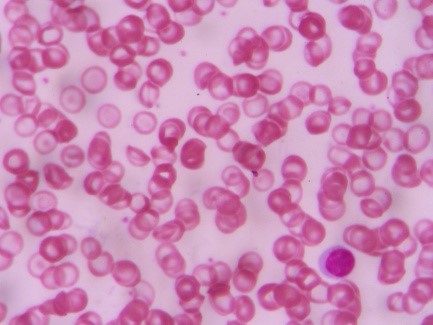
Sickle cell disease (SCD) is a serious, inherited condition affecting the blood and various organs in the body. It affects the red blood cells, causing episodes of 'sickling', which produce episodes of pain and other symptoms. In between episodes of sickling, people with SCD are normally well. Long-term complications can occur. Good treatment, started early in life, can prevent complications. So, early diagnosis and specialist treatment are advised for SCD. Sickle cell trait is not the same as sickle cell disease.
by Dr Hayley Willacy, FRCGP

Treatment and medication
How to decide between different types of therapy
Therapy is in demand more than ever before in the UK, with an increasing number of people seeking professional mental health support. However, it can be difficult to distinguish between the different types of therapy available - especially privately - and to know what kind of therapist or counsellor you need.
by Lydia Smith
Allergies, blood and immune system
Polycythaemia rubra vera
Polycythaemia rubra vera (PRV) is a myeloproliferative disorder, which means the bone marrow makes too many blood cells. It is also sometimes just called polycythaemia (PV). There is an abnormally high number of red blood cells in your blood. You may also have an abnormally high number of platelets and white blood cells.
by Dr Hayley Willacy, FRCGP

Treatment and medication
What is transactional analysis therapy?
Talking therapy might be a catch-all term, but there are a huge number of different types. Transactional analysis is a form of modern psychology and therapy that explores a person's relationships and how they communicate with and interact with others. But what exactly does it entail - and who might benefit from it?
by Lydia Smith

Brain and nerves
Which therapies can ease Parkinson's disease symptoms?
If you're living with Parkinson's disease, symptoms affecting both your mobility and mental state can make daily life a struggle. There are several supportive therapies that your specialist healthcare nurse may recommend.
by Amberley Davis

Heart health and blood vessels
Giant Cell Arteritis
Giant cell arteritis is also known as temporal arteritis. The typical symptoms of giant cell arteritis (temporal arteritis) are headache, tenderness over one or both sides of the forehead, and feeling generally unwell. Other symptoms that may occur include pain in your jaw muscles when chewing, and visual loss. Seek medical attention immediately if you suspect that you have giant cell arteritis. People with giant cell arteritis need urgent treatment with steroids. Prompt treatment aims to prevent serious complications such as severe sight impairment which can occur soon after the disease starts.
by Dr Philippa Vincent, MRCGP
Related patient information and medicines

Patient information leaflet
Cancer treatment
Some treatments can boost the immune system to help to fight cancer. More specific immunotherapy involves injections of antibodies which aim to attack and destroy certain types of cancer cells. Research is underway to try to find vaccines that would stimulate your own immune system to make antibodies against cancer cells. Gene therapy. This is a.

Patient information leaflet
Cystic fibrosis
Cystic fibrosis is an inherited disease which mainly affects the lungs and pancreas but can involve other organs. Symptoms usually begin in early childhood and include persistent cough, wheeze, repeated chest infections, difficulty digesting food and general ill health. Treatments include antibiotics, physiotherapy, medicines for thinning mucus,.

Patient information leaflet
Muscular dystrophy
Gene therapy is a type of treatment that aims to replace the faulty genes causing muscular dystrophy with functioning versions. At the time of writing, gene therapy was only available through clinical trials in the UK. In the US, a gene therapy treatment for Duchenne's called Elevidys® was approved for use in June 2023. It may become available for.

Patient information leaflet
Genetic testing
Genetic testing is a type of medical test that identifies changes in chromosomes, genes or proteins. Genetic tests examine a person's DNA in a variety of ways to assess a person's genetic health. They are all designed to identify a particular gene that may cause a genetic disorder. Genes are short sections of DNA and each chromosome contains.

Patient information leaflet
Huntington's disease
Huntington's disease is a genetically inherited condition that causes parts of the brain and nervous system to stop working properly over time. It is a slowly progressive condition that interferes with the movements of your body, thinking and judgement, and can lead to a change in your behaviour. The symptoms occur because of damage and death of.

Patient information leaflet
Glycogen storage disorders
Glycogen storage disorders are a group of inherited diseases. They result from a problem with one of the proteins (known as enzymes) involved in the conversion of glucose to glycogen, or the breakdown of glycogen back into glucose. They mostly tend to affect your liver and muscles. Most are diagnosed in childhood. Symptoms include weakness,.
Further reading and references
- What are CAR T cell therapy, RNA therapy, and other genetic therapies?; MedlinePlus, National Library of Medicine.
- Kim YK. RNA Therapy: Current Status and Future Potential. Chonnam Med J. 2020 May;56(2):87-93. doi: 10.4068/cmj.2020.56.2.87. Epub 2020 May 25. PubMed: 32509554. Free full-text article from PubMed Central: PMC7250668.
- Lu Y, Chan YT, Tan HY, Li S, Wang N, Feng Y. Epigenetic regulation in human cancer: the potential role of epi-drug in cancer therapy. Mol Cancer. 2020 Apr 27;19(1):79. doi: 10.1186/s12943-020-01197-3. 32340605. Free full-text article from PubMed Central: PMC7184703.
Share your thoughts or experiences with others in our patient communities.
Simple access to trusted treatments and health services online.
Common conditions
Get help with common conditions through the NHS, without a GP appointment.





Sign up to the Patient newsletter
Your weekly dose of clear, trustworthy health advice - written to help you feel informed, confident and in control.
By subscribing you accept our Privacy Policy. You can unsubscribe at any time. We never sell your data.