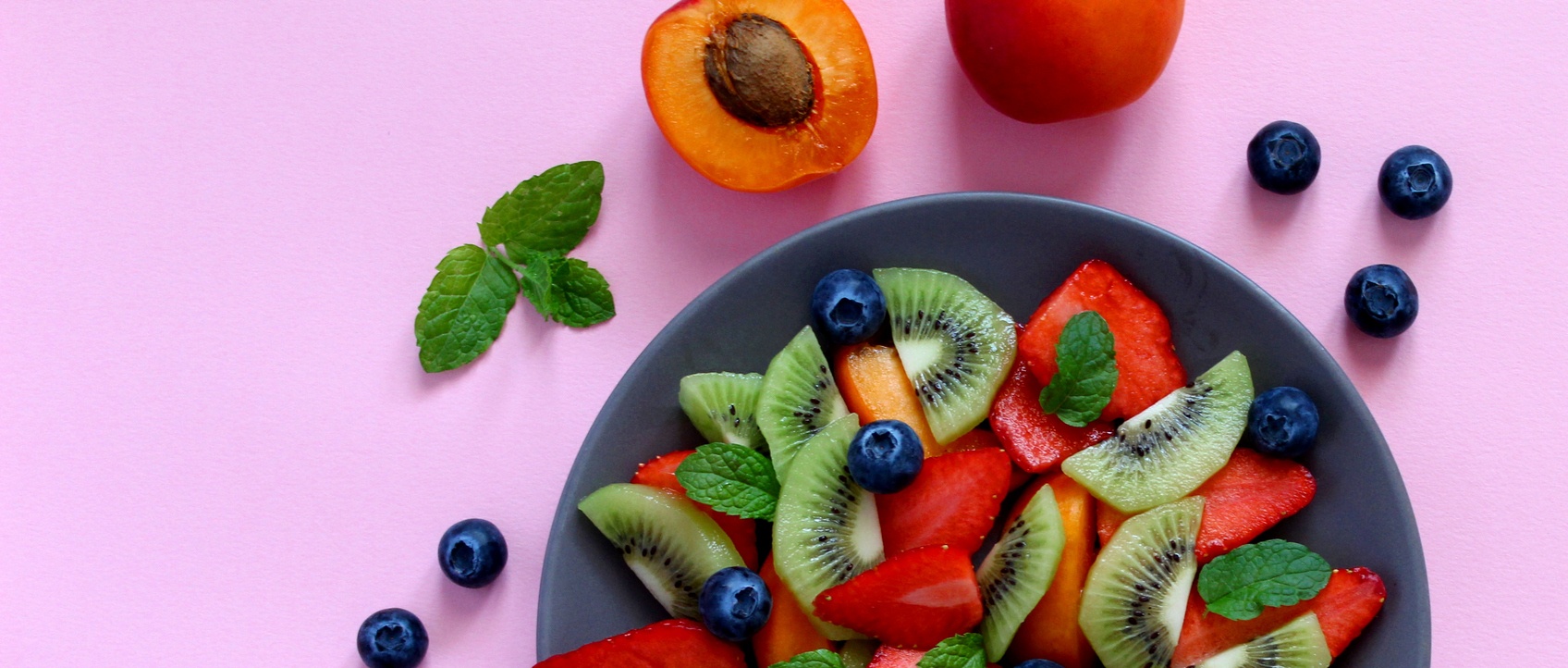
Why fibre is your friend
Peer reviewed by Dr Krishna Vakharia, MRCGPLast updated by Victoria RawLast updated 7 Apr 2025
Meets Patient’s editorial guidelines
- DownloadDownload
- Share
- Language
- Discussion
- Ask Patient
- Audio Version
- Add to preferred sources on Google
It's recommended that we all try to eat 30 grams of fibre a day - but most of us only manage about 18 grams. We should try to eat at least 30 different vegetables, fruits, nuts, seeds, beans and pulses every week to meet our fibre needs. Here's why it's important to prioritise a fibre-rich diet.
Video picks for Healthy eatingVideo library
Two types of fibre
There are two main types of fibre.
Insoluble fibre is sometimes called roughage. It isn't digested and absorbed from your gut, which means it stays in your bowels, helping to bulk out your poos.
Good sources of insoluble fibre include:
Wholemeal and wholegrain products.
Wheat bran.
Beans.
Pulses.
Many fruit and vegetables.
Soluble fibre dissolves in water to form a gel in your gut.
Good sources of soluble fibre include:
Oats.
Bananas.
Barley.
Potatoes.
Strawberries.
Plums.
Peaches.
Aubergines.
Apples.
Pears.
In many fruit and vegetables, the skin is high in insoluble fibre while the flesh is a good source of the soluble variety.
Why should you eat fibre?
It's good for your bowels
There's no question that fibre in your diet is good for your bowels. As well as helping you avoid constipation, fibre can reduce your likelihood of developing other bowel problems such as painful piles and diverticular disease. It may even lower your chance of getting bowel cancer.
It stabilises cholesterol and blood sugar
But we now know that fibre can do much more. Soluble fibre in particular can help reduce your cholesterol and stabilise your blood sugar. This may protect against heart disease and even help stave off type 2 diabetes.
It supports a healthy gut
We've also learnt much more in recent years about the importance of the gut microbiome - the trillions of bacteria and other microbes that live naturally in your large bowel. Without them, we wouldn't be able to digest food. Eating more fibre can create a healthy balance between good and bad bacteria.
About 70% of your immune cells - which help you fight off infection and reduce inflammation in the body - are found in your gut. Your gut is also packed with nerve cells, which communicate with your brain. A healthy gut microbiome has now been found to improve your ability to fight off infection, and your mood.
The wider the range of microbes in your gut, the more healthy it is. Having more friendly bacteria can crowd out germs that cause gut infections and may make it easier for you to keep a healthy weight. Many high-fibre foods act as prebiotics, feeding your healthy bacteria. Probiotic foods - such as live yoghurt, sauerkraut, and sourdough - and probiotic supplements can also help boost your friendly bacteria.
Is fibre good or bad for IBS?
Irritable bowel syndrome, (IBS) is a long-term gut condition thought to affect as many as 1 in 5 adults - especially women. It leads to symptoms such as colicky tummy pain, bloating, wind, constipation, and diarrhoea.
If you have IBS, you may find that eating more insoluble fibre actually makes your symptoms worse. However, gradually upping your intake of soluble fibre may relieve constipation, pain and bloating.
If you have IBS, it's also worth being aware that some high-fibre foods are high in FODMAPS. These are fermentable ingredients which mean the bacteria in your gut create gas as they're digesting them. If you're struggling to increase the fibre in your diet, a dietitian may be able to advise you on a low FODMAPS diet.
How to eat more fibre
If you don't have IBS or another bowel condition that causes diarrhoea, there's very little downside - and lots of possible health benefits - to increasing the fibre in your diet.
If your diet has been low in fibre for years, you may want to up your intake gradually to avoid short-term bloating. Over time, your gut will get used to the higher levels of fibre and thank you for it.
At the very least, you should be aiming for at least five portions of fruit and vegetables a day. Fresh, frozen, and tinned varieties - in natural juices, not sweetened - all count.
One portion is the same as:
One large fruit - such as an apple or pear.
Two smaller fruits - such as satsumas or plums.
A dessert bowl of salad.
2-3 tablespoons of vegetables.
Here are some ways you can ensure you're getting enough fibre:
Many doctors now recommend aiming for 30 different fibre foods each week. This includes nuts, seeds, beans, and pulses as well as fruit and veg.
Try to focus more on veg than fruit. Although the natural sugar in fruit isn't as harmful as pure sugar, it can cause spikes in blood sugar.
Eat a rainbow of fruit and veg. All fruit and vegetables contain different vitamins, minerals and other micro-nutrients. Think orange carrots and oranges, red berries, purple cabbage and aubergines, white cauliflower or turnips and green from beans, broccoli and more.
Start your day with a high-fibre cereal or some porridge for soluble fibre.
Add extra vegetables to mince dishes, soups, stews and casseroles. Onions and root vegetables add flavour as well as fibre.
Bulk out stews and casseroles with a tin of lentils or beans. These are both delicious and economical, making meat go further.
If your digestion can tolerate it, eat the skin as well as the flesh of fruit and veg.
Try not to overcook vegetables - a little crunch left in them means the fibre hasn't broken down as much.
With thanks to My Weekly magazine, where this article was originally published.
Patient picks for Healthy eating
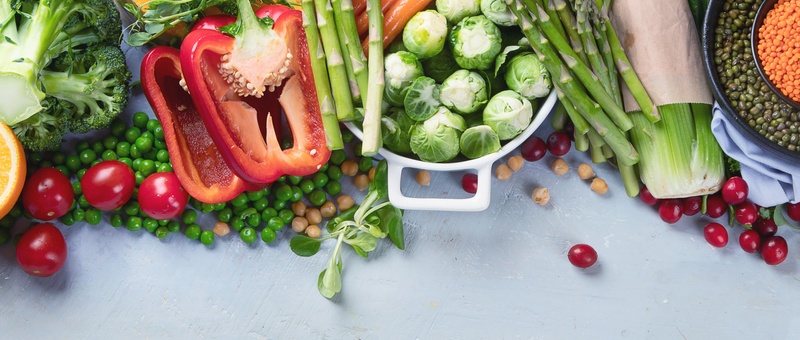
Diet and nutrition
What is fibremaxxing - and how healthy is it really?
There are plenty of so-called health or self-improvement trends circulating that lean on the idea of taking things to the extreme, dialling whatever they focus on up to eleven. Viral movements that promise to push everything ‘to the max’ - not just with one X, but two - may sound empowering at first glance, but pushing yourself to the edge is rarely the healthiest approach for your wellbeing. From Looksmaxxing to Sleepmaxxing, we now have Fibremaxxing - but what exactly is it, and is it really as questionable as the rest?
by Victoria Raw
Healthy living
Fibre and fibre supplements
Fibre (roughage) is the part of plant food that is not digested. It stays in your gut and is passed in the poo (stool). Fibre adds bulk to the stools. This helps your bowels to work well and helps to prevent some bowel and anal conditions.
by Dr Doug McKechnie, MRCGP
Podcasts
Friendship matters
Friends - those people we collect through life often taken for granted but can be so important to us. In this episode Clare and Aileen turn their attention to friendships. What are they, how do we make them, what do they bring and where they can go wrong? So, if you’ve ever felt guilty for neglecting a friendship, been baffled by a falling out or wondered why some friends bring out the best in you and others don’t. This one is for you.
by Thomas Andrew Porteus, MBCS
Podcasts
Making work work
Work can take up so much of our waking hours but how often do we look at our relationship with work. Are you a workaholic or just going through the motions? Does it inspire or drain you? What about the people we work with: colleagues, managers and those unrequited crushes or unwanted attentions? When it comes to work, things can get complicated. Clare and Aileen delve into the tangled world of work to help you think about your relationship with work and give tips on how to navigate those complex relationships in the workplace.
by Thomas Andrew Porteus, MBCS
Podcasts
Me and myself
In this episode, Clare and Aileen turn their attention to what they describe as the primary relationship - the relationship we have with ourselves - and why it is so often the one we neglect, misunderstand or actively sideline.
by Thomas Andrew Porteus, MBCS

Mental health
Is your house haunted? The science behind sleep paralysis
Have you ever woken in the middle of the night, certain there’s someone standing at the end of your bed, but found yourself unable to move or call for help? Perhaps you’ve sensed a dark figure in the corner of your room, felt pressure on your chest, or heard strange noises that seem to come from nowhere. It might sound like the plot of a classic ghost story. But there’s a scientific explanation for these frightening experiences - sleep paralysis. With Halloween approaching, we explore what happens during sleep paralysis, why some people see or sense a presence in their bedroom, and what you can do to reduce the chances of it happening again.
by Thomas Andrew Porteus, MBCS
About the authorView full bio
Updated by

Victoria Raw
Feature Writer
BA (Hons), English Literature
Victoria is a content writer at Patient, with special interests spanning mental wellbeing, societal trends, and the impact of technology on our health.
Throughout her career, Victoria has partnered with a range of charities such as Ovarian Cancer Action, Scleroderma and Raynaud's UK, St John Ambulance, Andy's Man Club, the RSPCA, and Barnardo's. Her work has seen her interview a variety of well-known personalities - among them actress Gaynor Faye, Sky Sports presenter Adam Smith, and comedian Alex Mitchell, exploring their experiences and stories.
Authored by

Dr Sarah Jarvis
Clinical Consultant
MA (Cantab), BM, BCh (Oxon), DRCOG, FRCGP, MBE
After training in medicine at Cambridge and Oxford, Dr Sarah Jarvis MBE became a GP.
About the reviewerView full bio

Dr Krishna Vakharia, MRCGP
Chief Medical Officer for Health, Optum UK
MBChB, MRCGP(2013), BMedSci (hons), DFSRH, DRCOG, PGDipDerm (Distn)
Dr Krishna Vakharia is an NHS GP. She is also a regular examiner for the postgraduate Diploma in Practical Dermatology at Cardiff University as well as being the Chief Medical Officer for health at Optum UK.
Article history
Article also available in English, German, Spanish, French, Italian, Portuguese, Hindi, Hebrew, Arabic, and Swedish.
Next review due: 7 Apr 2028
7 Apr 2025 | Latest version
14 Feb 2024 | Originally published
Authored by:
Dr Sarah Jarvis
Share your thoughts or experiences with others in our patient communities.
Sign up to the Patient newsletter
Your weekly dose of clear, trustworthy health advice - written to help you feel informed, confident and in control.
By subscribing you accept our Privacy Policy. You can unsubscribe at any time. We never sell your data.