Does tinnitus lead to hearing loss?
Peer reviewed by Dr Hayley Willacy, FRCGP Authored by Dr Sarah JarvisOriginally published 30 Oct 2017
Meets Patient’s editorial guidelines
- DownloadDownload
- Share
- Language
- Discussion
- Ask Patient
- Audio Version
- Add to preferred sources on Google
You can't see tinnitus - but you can certainly hear it. Tinnitus - sounds you can hear that come from inside your head - affect 1 in 10 adults. For most, it doesn't have a major impact, but when it's severe it can rule your life.
Video picks for General signs and symptomsVideo library
Your outer and middle ear send messages from sound waves to your inner ear. Here, they are turned into signals that are passed on to the brain. Tinnitus is thought to be related to how your hearing system recognises sound and how your brain interprets it. Tinnitus often coincides with age-related hearing loss - your brain may be trying to compensate for sounds it cannot hear any longer from your inner ear.
Say that again
About 2 in 3 people with tinnitus have some hearing loss - although you may develop tinnitus before you even realise your hearing is getting less sharp. Age-related hearing loss tends to come on gradually, and the average person takes as long as 10 years before they seek help. High-pitched frequencies are often lost first. Voices have higher frequencies, so an early sign is not being able to hear conversation against a noisy background.
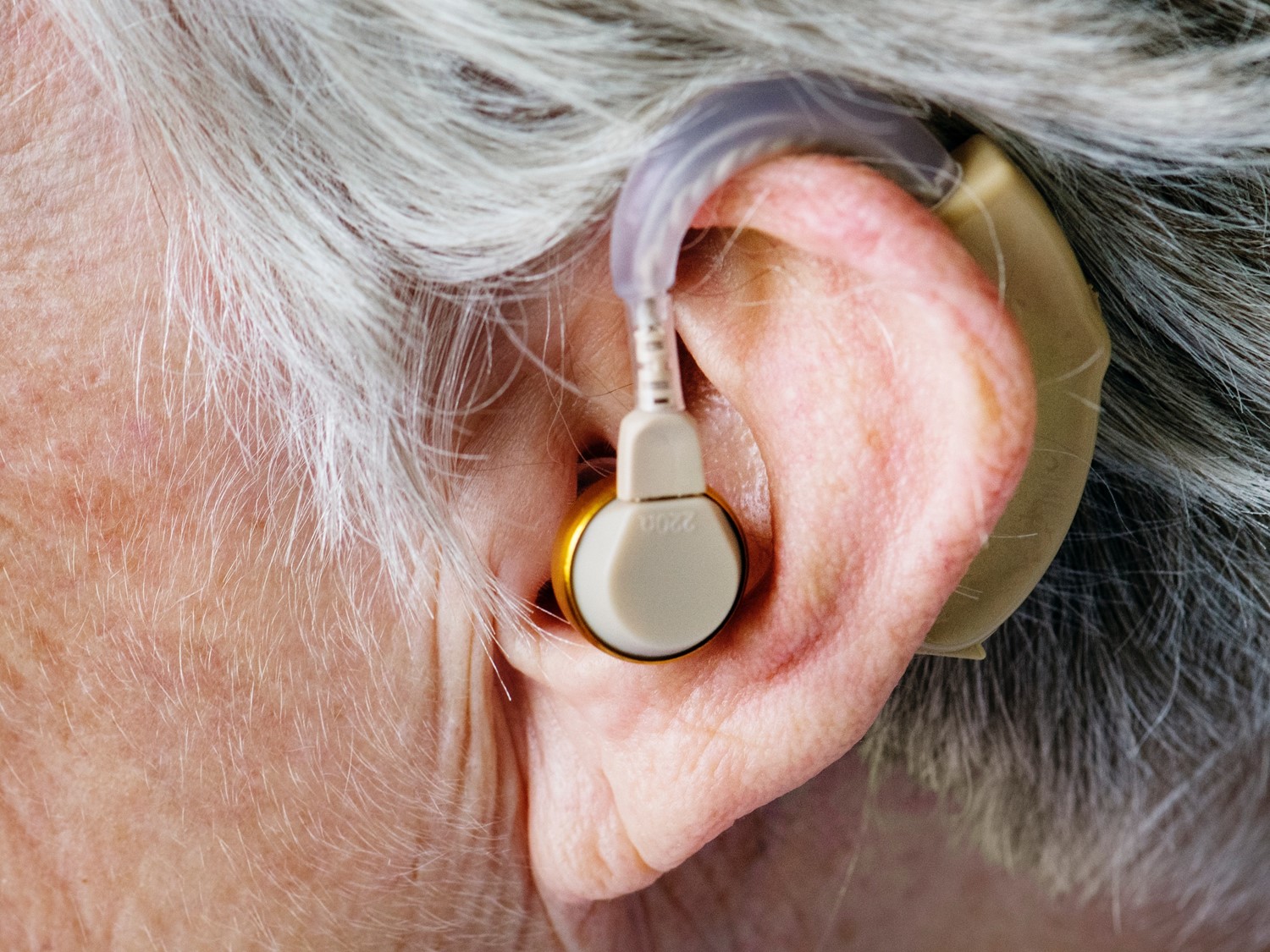
Even if you don't think you have a significant problem with your hearing, it's well worth getting your hearing checked if you develop tinnitus. A hearing aid can often improve tinnitus as well as hearing. And because tinnitus is worse in quiet surroundings, amplifying the sounds around you with a hearing aid can often masks the sound of tinnitus.
You can ask your GP for a referral to a hospital audiology clinic for assessment and hearing aid fitting if you need one. However, many branches of high street stores like Specsavers® and Boots® also offer free hearing checks and can fit you for a hearing aid if needed. They're commissioned to provide these services by the NHS under a contract called 'Any Qualified Provider'. This means they have to prove they offer the same quality of service, and the same hearing aids, as hospital clinics.
What else?
Sometimes, tinnitus is down to a temporary cause, such as an infection of the middle ear or a build-up of hard earwax - make an appointment with your practice nurse to check it out. It can also be caused by head injury or as an after effect of meningitis, and occasionally by other conditions such as anaemia, overactive thyroid gland or some medications. These include some antibiotics, anti-inflammatory tablets and aspirin, although it's rarely an issue except at high doses - always stick to the dose on the packet.
In rare cases, a non-cancerous tumour on your hearing nerve can give rise to tinnitus in just one ear, along with reduced hearing on that side. You must always see your doctor if you get one-sided tinnitus. A condition called Ménière's disease can give rise to bouts of hearing loss, vertigo (dizziness where the room spins around) and tinnitus, mostly lasting 2-3 hours.
Listen to the positives
Even though tinnitus can't be cured, there is still lots you can do to help with your symptoms. It's important to understand that with rare exceptions, tinnitus isn't caused by a serious condition and doesn't lead to other symptoms. It certainly isn't because you're going mad. Nor is it going to keep on getting worse - in fact, it often gets less noticeable over time.
Tinnitus is always worse when there's little or no background noise to cover it, so it tends to be more troublesome at night. Keeping the radio on quietly can help - it's worth getting one with a timer at night. You can even get a pillow with a built-in radio, or a soft headband with thin, removable speakers. Some people prefer a noise generator, which plays soothing background sounds from nature, like waves or rustling leaves.
When it's severe, tinnitus can get you down and even cause depression. Many hospitals have a specialist tinnitus clinic, headed up by an audiologist with training in cognitive behavioural therapy - a form of counselling which aims to help you challenge unhelpful negative thoughts. Sometimes you'll need to be seen first in an ENT clinic which can refer you on to a tinnitus clinic - but the sooner you get help, the more successful it's likely to be.
With thanks to 'My Weekly' where this article was originally published.
Patient picks for General signs and symptoms

Ear, nose and throat
How to protect yourself from hearing loss this Bonfire Night
The skies will soon be lit up with colourful and loud firework displays this Bonfire Night. The stunning sights may last only one night, but potential ear damage from the noisy explosions may cause long-lasting hearing loss.
by Victoria Raw

Ear, nose and throat
What's causing my hearing loss?
We often take our hearing for granted, but as we get older, we shouldn't make assumptions. Hearing loss affects much more than your hearing - if untreated, it can lead to social isolation, anxiety, depression, and even falls or reduced independence. We explain what affects your hearing and what you do to protect it.
by Dr Sarah Jarvis

Signs and symptoms
Tinnitus
Tinnitus is a noise such as a ringing or buzzing that you can hear, but the noise is not caused by anything outside your ear.
by Dr Doug McKechnie, MRCGP

Ear, nose and throat
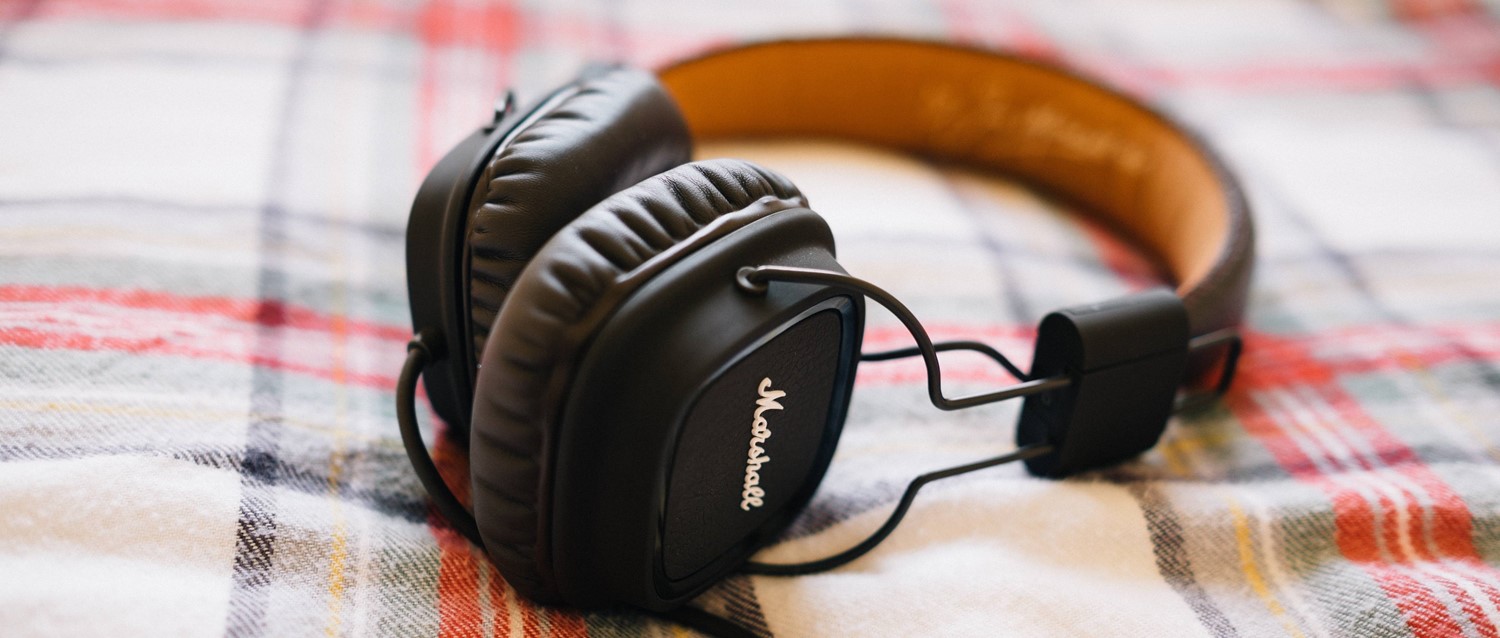
How to protect against hearing loss while using headphones
Most of us use headphones for one reason or another on a daily basis. Perhaps it's to take calls or to listen to music while out on a run. There are countless styles of headphones in various price ranges meaning they are accessible to many. However, as convenient and comfortable as headphones can be, it's vital you use them properly to protect your ears.
by Emily Jane Bashforth
Ear, nose and throat
Hearing loss
In this article we talk about the different causes of hearing loss, their different characteristics and what you can do about them. Hearing loss is common. It can be very distressing, particularly if it is getting worse or if it affects both ears. Everyone's hearing gets worse as they get older. However, there are many types of hearing loss and not all are restricted to older people.
by Dr Surangi Mendis, MRCGP

Ear, nose and throat
Can earwax build-up cause hearing loss?
Earwax build-up is a leading cause of hearing loss. However, it is also a highly reversible condition. How can earwax build-up cause hearing loss, and what are the potential consequences?
by Amberley Davis
About the authorView full bio
Authored by

Dr Sarah Jarvis
Clinical Consultant
MA (Cantab), BM, BCh (Oxon), DRCOG, FRCGP, MBE
After training in medicine at Cambridge and Oxford, Dr Sarah Jarvis MBE became a GP.
About the reviewerView full bio

Dr Hayley Willacy, FRCGP
General Practitioner, Medical Author
MBChB (1992), DRCOG, DFFP, MRCOG (Part 1) MRCGP (2007), DFSRH (2013), MSc - medical education (2020)
Dr Hayley Willacy was an NHS GP working in northwest England, who retired from clinical practice in 2022 after 30 years.
Article history
Article also available in English, German, Spanish, French, Italian, Portuguese, Hindi, Hebrew, Arabic, and Swedish.
30 Oct 2017 | Originally published
Authored by:
Dr Sarah JarvisPeer reviewed by
Dr Hayley Willacy, FRCGP
Share your thoughts or experiences with others in our patient communities.
Sign up to the Patient newsletter
Your weekly dose of clear, trustworthy health advice - written to help you feel informed, confident and in control.
By subscribing you accept our Privacy Policy. You can unsubscribe at any time. We never sell your data.