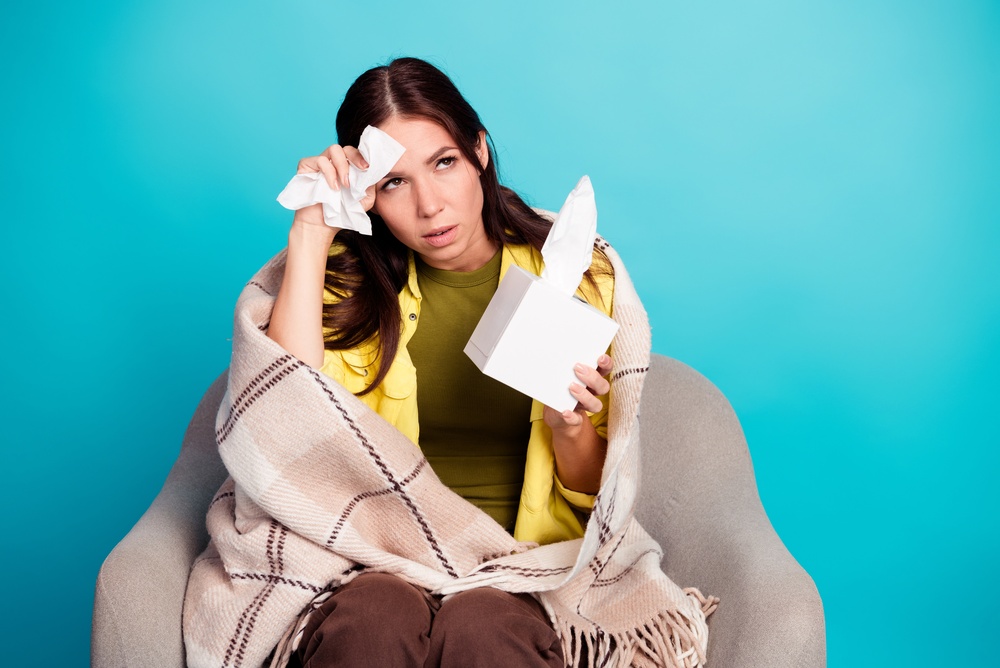
Can cold weather make you ill?
Peer reviewed by Dr Colin Tidy, MRCGPLast updated by Lynn StephenLast updated 27 Nov 2026
Meets Patient’s editorial guidelines
- DownloadDownload
- Share
- Language
- Discussion
- Ask Patient
- Audio Version
- Add to preferred sources on Google
It may be a memory of a parental figure telling us we'll catch our death if we go outside without a coat. Perhaps a well-meaning relative has advised slurping down some chicken soup when we've got a winter virus.
Whatever the advice, we've all heard a few winter health myths - but is there truth in any of them? And what age-old advice might keep us healthier this winter?
Video picks for Winter healthVideo library
Can cold weather give you a cold?
We all associate the winter with having more colds - and for good reason. But is it the cold weather that triggers these uncomfortable winter viruses?
According to Dr Ed Pooley, GP at JRB Healthcare, the cold can't actually give you a cold. But when it's cold, people tend to cluster together indoors, so there's an association between the winter months and an increased chance of viral illness.
Dr Sarah Jarvis MBE says cold weather may reduce the effectiveness of your first line of defence - your nostrils.
"Lots of viruses are trapped in the mucus in your nose," she explains. "The mucus is wafted out by tiny hairs called cilia, preventing the viruses from penetrating any deeper. Cold weather makes the beating movements of the cilia less efficient and they stop beating entirely below 4 degrees Celsius (°C).
"Also, if the lining of your nose is cold, blood vessels constrict, possibly reducing the ability of white cells from your immune system to reach the nose and wipe out the viruses," she adds.
The obvious solution, Jarvis suggests, is to cover your nose with a scarf or face covering when out in cold air.
Should you starve a fever?
Should we really starve a fever and feed a cold? According to Pooley, this is another myth.
"Medically speaking, you should be eating nutritious, healthy food to prevent illness or improve recovery time," he says. "The only time where this might have some worth is if you have gastroenteritis or a viral infection in your gut.
"In that case, changing what you eat might be helpful. Reducing your intake of foods containing lactose and spicy foods may reduce irritation."
Do you lose heat from your head?
You may have heard that 50% of your body heat is lost through your head. In actual fact, the number is more like 7-10%. Still, it's worth popping on a winter hat in any case.
Pooley explains that your body works hard to keep your brain warm, so you do lose some heat from your head.
"Also, if you're in a sunny place, despite the cold you may need to wear a hat to protect your head from sun damage - for example, if you're skiing," he adds.
Will going out without shoes make you ill?
If we're dashing into the garden to get the washing, or standing on the front step to wave goodbye to visitors, will stepping outside without our shoes make us ill?
Pooley says that generally speaking it's not advisable to go out in the cold without shoes on. If your feet are cold you're going to reduce blood supply and increase your chance of illness, especially if you have diabetes or poor circulation.
"But nipping outside barefoot to grab something quickly won't make a difference to most people," he says.
Are you immune after a cold?
Once you've had a cold, you won't catch it again - right?
"Sadly that's false," says Pooley. "The resistance you develop to a cold only lasts for a transient amount of time. Plus cold viruses mutate so quickly it's hard to develop any sort of immunity."
However, he cautions that if you've had a period of time when you haven't been exposed to any cold viruses, you may be even more prone.
Can chicken soup speed recovery?
Myths abound around this nutritious dish, but can chicken soup really help us to get better more quickly?
Pooley explains that chicken soup may be helpful, but only because it's nutritious with vitamins, minerals, and protein, and a good way of getting extra fluid into your body.
"There's nothing special about it," he says. "But it's important to relieve dehydration, which can thicken mucus and make you feel more unwell. So taking plenty of fluids is a good idea. And you can include chicken soup among these if you wish. After all, it tastes nice and may have a psychological benefit."
Should you avoid exercise when sick?
Is it a good idea to skip exercise when you're under the weather?
Pooley says that in some cases, it's a good idea, but in others staying active won't make much difference.
"For instance, if you're mildly unwell with an upper respiratory tract infection, a bit of exercise to reduce aches and keep your blood pumping could give you a boost," he suggests. "But I wouldn't recommend pushing your body too hard.
"If you're more seriously ill, you probably won't feel able to exercise anyway."
Can the flu jab give you flu?
Rumours about the flu jab giving us a flu-like illness can be off-putting. But is it really possible that having this injection can give you a dose of the flu? No it does not.
Jarvis explains that the adult flu vaccine doesn't contain any live virus. That means there is no way it can trigger flu in you. Virus infections happen when viruses multiply inside your cells - and dead viruses can't breed.
She says that there are two main reasons this myth has come about. As your body adjusts to the vaccine, it is creating antibodies to an illness you haven't had. Some people may experience a few aches and pains or a headache, and may associate this feeling with the flu, but it's impossible for the jab to give you the illness itself.
"In addition, you are usually given the flu vaccine at the time of year when lots of people are coming down with colds," she notes. "So if you have the vaccine when you're brewing a cold, you may develop symptoms a few days later and blame the vaccine."
Should you up your vitamin C?
Whether it's munching on clementines or crunching on tablets, vitamin C has long been associated with giving our immune system a boost. But is it a good idea to up our intake in the winter months?
Pooley advises that vitamin C is good for general immune function and heath.
"Taking it as part of a multivitamin tablet or a one-a-day dose can be helpful," he says. "But taking a high dose for a long time isn't going to do much. Taking too much just means you'll be peeing out any excess."
NHS advice is that most people don't need vitamin supplements - apart from vitamin D - as long as you have a healthy diet. You're better off topping up your vitamin C with citrus fruit and vegetables, which will provide fibre and other micronutrients as well.
It's important to look after your health, particularly during wintertime when cold viruses tend to be more common. This means wrapping up, eating a nutritious diet, and generally adopting a healthy lifestyle. But paying attention to winter myths probably won't make much difference at all.
Patient picks for Winter health
Women's health
Why do women feel the cold more than men?
Ever wondered why the battle over the thermostat often constitutes a battle of the sexes? Research suggests the answer to that age-old question is simple - women feel the cold more than men.
by Lynn Stephen

Signs and symptoms
Why am I so tired in winter? When seasonal fatigue could mean something more
As summer fades into autumn and winter draws closer, we often feel more tired and less energetic. Shorter days and reduced daylight can affect our sleep patterns, mood, and energy levels. However, while seasonal changes may play a part, winter fatigue isn’t always down to the colder weather. From lifestyle habits and nutritional deficiencies to underlying health conditions, there are several other factors that could leave you feeling worn out. We explore some potential causes of winter tiredness that may have nothing to do with the changing seasons.
by Victoria Raw
Heart health and blood vessels
This is what cold weather does to your heart
Everyone knows that bugs like colds and flu are more common when the temperature drops, but did you know that cold weather can also affect your heart? Here's how to protect your ticker in winter.
by Natalie Healey
Skin, nail and hair health
Dry skin in winter: what cold weather can do to your skin
Cold weather can be tough on our skin, and dry skin in winter can cause or inflame a number of skin conditions. Lesser known effects of winter weather include allergic reactions and the spread of infections that also trigger skin problems.
by Amberley Davis

Bones, joints and muscles
Can winter weather make joint pain worse?
When the weather gets colder, many people with joint and bone problems often feel like their condition gets worse, but does the weather have any impact on the severity of conditions like arthritis?
by Andrea Downey

Bones, joints and muscles
Beat the chill: why movement matters for your joints in cold weather
With Christmas fast approaching and temperatures continuing to fall, people with joint issues should take extra care. Cold weather can worsen pain and stiffness, making the winter months especially challenging. We spoke to an expert to find out why this happens - and how you can protect your joints and stay healthy when Jack Frost comes calling.
by Victoria Raw
About the authorView full bio
Updated by

Lynn Stephen
Content developer
MA (Hons)
Lynn joined Patient in 2023 and her role includes checking all the professional leaflets, patient information leaflets and medicine leaflets, to ensure consistency of spelling, grammar, reference material and brand style, working with the medical authors and clinical director to coordinate the authoring and peer reviewing of the leaflets.
Authored by

Emily Jane Bashforth
Feature Writer
NCTJ
Emily is a Feature Writer with Patient, writing articles on a variety of topics relating to health and well-being.
About the reviewerView full bio

Dr Colin Tidy, MRCGP
General Practitioner, Medical Author
MBBS, MRCGP, MRCP (Paediatrics), DCH
Dr Colin Tidy is an NHS Doctor, based in Oxfordshire.
Article history
Article also available in English, German, Spanish, French, Italian, Portuguese, Hindi, Hebrew, Arabic, and Swedish.
Next review due: 27 Nov 2029
27 Nov 2026 | Latest version
3 Nov 2021 | Originally published
Authored by:
Emily Jane Bashforth
Share your thoughts or experiences with others in our patient communities.
Sign up to the Patient newsletter
Your weekly dose of clear, trustworthy health advice - written to help you feel informed, confident and in control.
By subscribing you accept our Privacy Policy. You can unsubscribe at any time. We never sell your data.