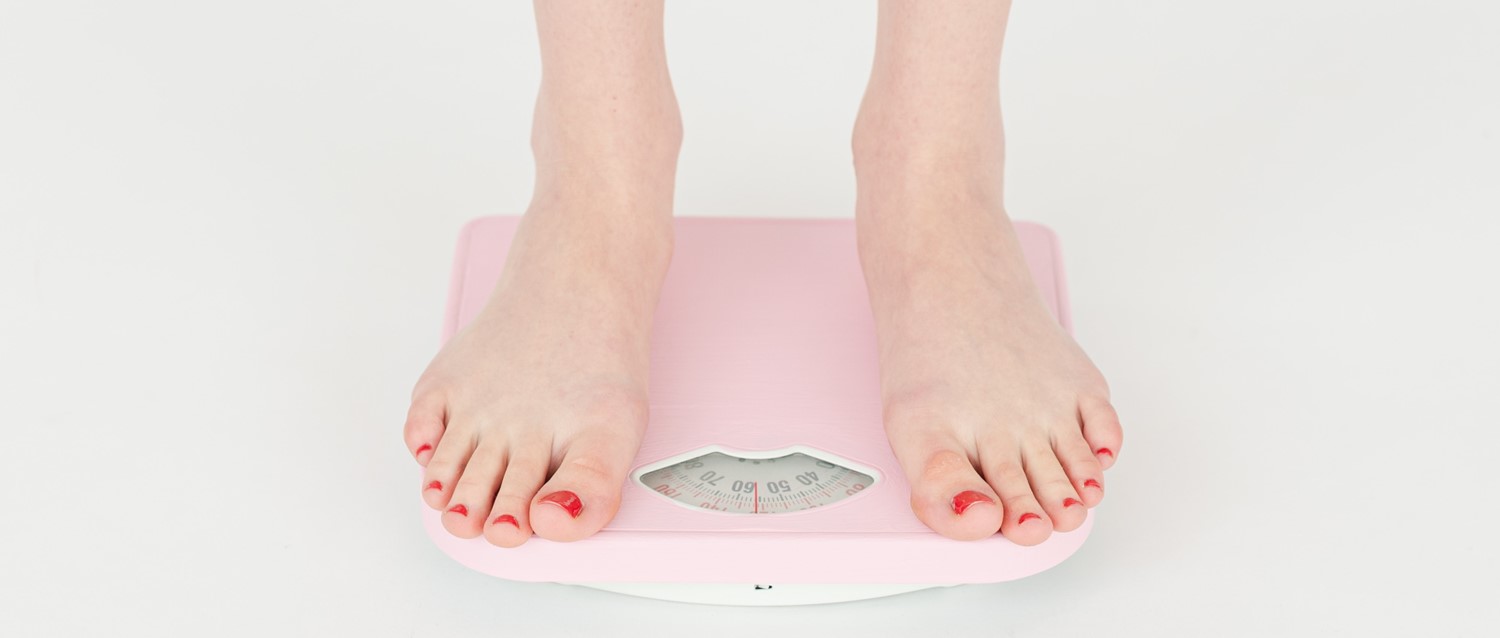
HIIT or weights: which is best for weight loss?
Peer reviewed by Dr Sarah JarvisAuthored by Amberley DavisOriginally published 27 Jan 2022
Meets Patient’s editorial guidelines
- DownloadDownload
- Share
- Language
- Discussion
- Ask Patient
- Audio Version
- Add to preferred sources on Google
With so many exercises to choose from, planning a new exercise regime for weight loss can be daunting. HIIT and weight training exercises are two of the most popular and effective exercises for weight loss. Used in combination, you can burn fat and increase your resting metabolic rate in a time-efficient manner.
Explore medical weight management options
Get expert healthcare advice from the comfort of home. Complete a quick online consultation, available 24/7, with your request reviewed by a UK-registered clinician. Next day delivery available on eligible treatments.

Video picks for Exercise and physical activityVideo library
Weight loss: cardio versus strength training
Losing weight is all about balancing the amount of energy we put into our bodies versus how much we use up through normal bodily functions and physical activity. When we talk about 'burning fat', we are referring to the process of using the energy stored in our fat cells to fuel our activity.
If you are carrying excess fat, losing weight can be an important lifestyle change that allows you to reach a healthy weight. This can help to reduce your risk of conditions related to being overweight or obese, including type 2 diabetes, heart disease, and stroke.
HIIT me with it
Cardio and fat burning
When most people start exercising for weight loss, they often jump straight to cardiovascular workouts (simply referred to as 'cardio'). This type of exercise mostly burns energy we get from our food. This type of energy is measured in calories. Alongside following a healthy diet, this can help to shift the balance of energy input/output.
It is important to bear in mind that exercise on its own is unlikely to bring about significant weight loss. However, combining it with dietary changes allows you to combine weight loss with other health benefits for your heart, lungs and joints.
It's also important to note that cardio has numerous other health benefits besides controlling excess weight gain. For example, it gives your heart a healthy workout that can protect against heart disease, it helps to improve your lung capacity, and it naturally boosts your energy levels.
HIIT training for weight loss
High-intensity interval training, known as HIIT, involves short bursts of cardio exercise alternated with periods of low intensity or rest. Compared to traditional exercise, research suggests that HIIT training reduces more body fat and increases cardiorespiratory fitness in those with obesity.
Although it is cardio-focused, bouts of high-intensity activity in HIIT can be a more time-efficient weight loss method compared to 'continuous' cardio workouts like walking or running. It can provide 28.5% greater reductions in total fat mass (kg), and can even take 40% less training time to reach your weight composition goal.
"HIIT workouts also provide that coveted after-burn effect," says Innermost personal trainer Hajnalka Balázs. "Working out in intense bursts means your breathing rate needs longer to return to normal compared to low-intensity steady-state cardio. This means that you can potentially use up to 40% more energy throughout the day as your body recovers.
Advocates of HIIT also describe it as one of the more accessible exercises. It doesn't require a gym membership or special equipment and can be performed in your living room. Both in-person classes and online videos are usually set to music. This can add an element of fun for those who don't enjoy exercise.
Tips for a time-efficient HIIT session
"To burn calories, I recommend putting in maximum effort for 20 seconds, followed by 10 seconds of rest, repeated for four minutes. Rest for one minute before repeating the process again three more times. You'll have a time-efficient cardio session done and dusted for the day," advises Balázs.
WEIGHT-ing the benefits
Muscle building and metabolism
It may come as a surprise to learn that burning fat tissue isn't the only way we can use physical exercise to manage our weight. Strength training to increase muscle tissue mass also uses a lot of additional energy, which in turn boosts your resting metabolic rate (RMR). This is the rate at which your body burns energy (calories) while it's not active - for example as you sleep or whilst watching television.
Muscle tissue is believed to be metabolically more active than fat tissue. Researchers at the University of New Mexico estimated that muscle tissue contributes to around 20% of your total calories burned per day, compared to just 5% for fat tissue (based on individuals with approximately 20% body fat).
In addition to helping with weight loss, health benefits of strength training include slowing age-related muscle loss, increasing bone density, and protecting joints. These benefits help to decrease the risk of conditions like osteoporosis, osteoarthritis, and fall-related injuries. Strength training for an hour a week also reduces the risk of heart disease, cardiovascular disease, and stroke by 40%-70%.
Strength training for weight loss
Strength training to build muscle includes resistance and weight training. Resistance training, as the name suggests, involves using resistance to build muscle. This includes lifting free weights, using machines, or even using your body weight to perform manoeuvres that tear, repair, and increase your muscle mass. This is a natural process known as muscle protein synthesis.
The effectiveness of weight training in aiding healthy weight loss is well researched. One study found that nine months of resistance training increased RMR by an average of 5%. Another study demonstrated that it can reduce body fat percentage, body fat mass, and visceral fat in healthy adults.
Tips for effective weight training
"Weightlifting exercises that use the whole body provide the biggest burn, as several muscles are used simultaneously," advises Josh Piercy, online director at Core Balance.
"Squats are focused on the lower body working the glutes, quads and hamstrings, while the abdominal muscles also need to be engaged to avoid injury.
"Furthermore, kettlebell swings target the core, shoulders, chest, back, glutes, quads, hips and hamstrings.
"Another full-body exercise is plank rows which challenge the core, arms, back and chest, as well as provide a cardiovascular challenge."
Piercy also advises using heavy bone dumbbells and kettlebells for a home gym session with free weights.
Combination is the key to weight loss
There is a lot of evidence to support both HIIT and strength training as effective exercises for healthy weight loss. The good news is, you don't have to choose one or the other. You can alternate between them a few times a week or even combine them in compound workout sessions.
"Incorporating weights into a HIIT session can increase the difficulty of a workout and provide a combined strength and cardio session," explains Piercy. "Choose five to six exercises to perform in a session, such as weighted squats, dumbbell snatches, kettlebell swings, press-ups and jumping lunges."
By incorporating weights into your HIIT workout, you can make your weight loss exercise routine even more efficient, which may enable you to reach your healthy weight goal even faster. Whether you choose to combine HIIT, resistance, and weights or to perform them separately, you can also reap the additional health benefits of regular cardio and strength training.
Patient picks for Exercise and physical activity

Healthy living
HIIT for weight loss: how does it compare to traditional cardio?
For a lot of people, the main priority of going to the gym is to lose weight. But the thought of spending hours upon hours plodding away on a treadmill can often be off-putting. If only there was a way to get the same kind of results in short, sharp bursts. If this is something you find yourself asking, then trying HIIT for weight loss may be the answer. But how does it compare to more traditional cardio exercise?
by Gemma Grange
Healthy living
Why do some people regain weight after losing it?
For decades, people living with overweight and obesity have been unfairly labelled lazy or greedy, with weight loss framed as a simple matter of eating less and moving more. But the biology behind body weight is far more complex. Dr Caroline Butler, Chief Clinical Offer at Genwell UK, explores why weight gain and regain aren't personal failings, and how the systems that regulate your weight are linked to wider metabolic health.
by Dr Caroline Butler
Healthy living
How modern life affects your weight - beyond diet and exercise
If our bodies are designed to regulate our weight, why are more people living with obesity than ever before? Our genes haven't changed significantly over recent decades, but our environment, lifestyles, and individual biology all influence how our bodies regulate hunger, burn energy, and store fat. Understanding these factors can help explain why managing weight is more difficult for some people than others, even when they're trying to make healthier choices.
by Dr Caroline Butler
Healthy living
Is Pilates good for weight loss?
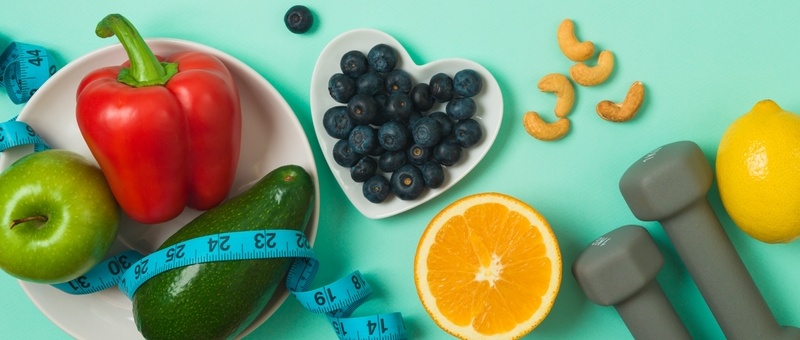
Pilates is known for its ability to improve bodily strength, flexibility, and stamina. However, as with all exercise, it can also be effective for weight loss. The key to using Pilates for weight loss is to practise regularly and fuel this exercise with a well-balanced, nutritious diet that allows you to create a healthy calorie deficit.
by Lynn Stephen
Healthy living
10 daily habits for healthy weight loss
Balancing a busy schedule with weight loss goals can feel overwhelming. But the good news is that small changes can make a big difference. Experts agree that introducing simple steps to your daily routine can help you lose weight healthily.
by Victoria Raw
Healthy living
Weight gain
Weight gain is rarely caused by simply eating more, or being less active, it is often more complicated than this. There are many possible causes of weight gain, and often a number of factors play a part. These may be social, cultural, societal, psychological or medical.
by Dr Surangi Mendis, MRCGP
About the authorView full bio
Authored by

Amberley Davis
Senior writer
BA (Hons), CPD
Amberley is a senior writer with Patient and has written extensively on a range of health and wellbeing topics.
About the reviewerView full bio

Dr Sarah Jarvis
Clinical Consultant
MA (Cantab), BM, BCh (Oxon), DRCOG, FRCGP, MBE
After training in medicine at Cambridge and Oxford, Dr Sarah Jarvis MBE became a GP.
Article history
Article also available in English, German, Spanish, French, Italian, Portuguese, Hindi, Hebrew, Arabic, and Swedish.
27 Jan 2022 | Originally published
Authored by:
Amberley DavisPeer reviewed by
Dr Sarah Jarvis
Share your thoughts or experiences with others in our patient communities.
Sign up to the Patient newsletter
Your weekly dose of clear, trustworthy health advice - written to help you feel informed, confident and in control.
By subscribing you accept our Privacy Policy. You can unsubscribe at any time. We never sell your data.