How to exercise safely in later life
Peer reviewed by Dr Sarah JarvisAuthored by Abi MillarOriginally published 29 Jan 2020
Meets Patient’s editorial guidelines
- DownloadDownload
- Share
- Language
- Discussion
- Audio Version
- Add to preferred sources on Google
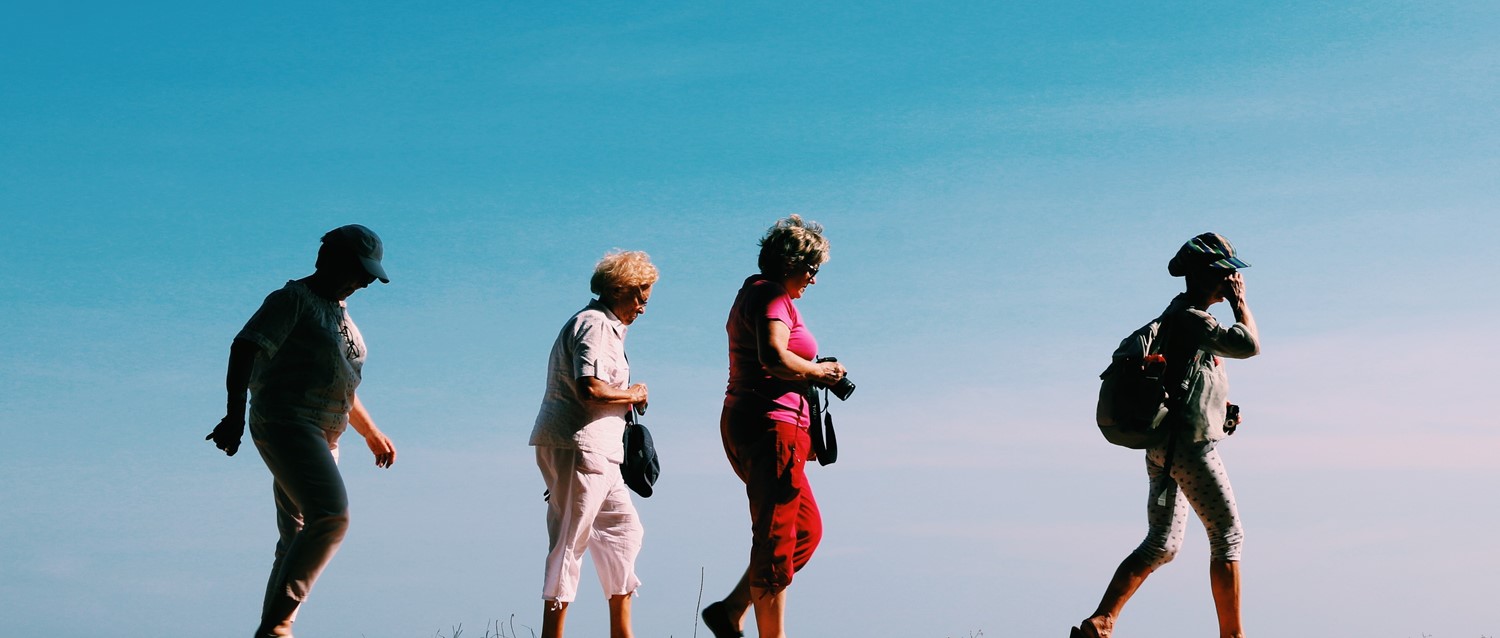
While many people see later life as a time to slow down, it's vitally important to stay physically active. But it's important to do it safely, particularly if you haven't exercised before.
We all know the importance of staying active. Whatever your stage of life, physical fitness can lower your risk of a whole host of health conditions, and make you feel better to boot.
These benefits become even more pronounced as we get older. Not only is physical activity one of the main contributors to longevity, but it's also a factor in how much independence and mobility we can expect to maintain as we age.
Studies have shown that even light activity is enough to help you live longer. And a new study by Abertay University found that as little as one minute of weekly exercise (sprint interval training on a stationary bike) was enough to provide some health benefits for older people.
"Any exercise is better than nothing, but exercising three to five times per week at moderate intensity with a mixture of aerobic and resistance exercise is ideal," says Dr Leon Creaney, sport and exercise medicine consultant at the OrthTeam Centre in Manchester. "This is known to reduce heart disease, obesity, diabetes, osteoporosis, frailty, and many types of cancer, and even has a protective effect against cognitive decline or dementia. In fact, there is really no condition that appropriate exercise is not beneficial for."
Busting the myths
However, on average people do slow down in later life. According to the latest figures, a whopping 52% of over-75s in England meet the definition of 'physically inactive', meaning they do less than 30 minutes of moderate exercise a week. This can include any activity that raises the heart rate, from brisk walking to pushing a lawnmower.
According to a recent survey by Nuffield Health, almost half of Brits over 55 don't think exercise is an important part of lifestyle for their age group, and one in ten say fear of injury holds them back from joining a gym. For many older people, exercise may feel like a daunting prospect, especially if they're already dealing with health conditions or have never been active before.
"There are misconceptions everywhere. We hear well-meaning family and friends say 'you'd better not do that at your age'," says Stuart Roberts, a personal trainer, nutritionist, and author of Get Strong, Get Fit, Get Happy: A Life Manual for 40+. "But it's possible to improve your fitness at any age - the human body is an incredible thing and it doesn't get enough credit for what it can do."
His book cites a number of people who've stayed active well into later life. One notable example is Tao Porchon-Lynch, a 101 year-old yoga master and competitive ballroom dancer who still teaches a yoga class every week. Roberts doesn't think these people are necessarily physical outliers, so much as people who don't believe the myths around ageing.
"The internet is full of people like this who demonstrate what's possible. It's important to create a new paradigm of what can be achieved at any age," he says.
Dr Creaney adds that there's no form of exercise that elderly people absolutely cannot do (although you should probably steer clear of high-impact exercise that involves collision or jerky movements).
"It's all about what that person has built up the capability to do over time," he says. "For example there are still people in their 80s who can sprint and run marathons. Usually they have built up the capacity to do this over several years however. The main thing to avoid is extremes - very heavy lifting, straining, exercise to exhaustion etc. These kinds of exercise are very high risk, and only of value to young people who are trying to push themselves to the limit in competitive sports."
Where to begin
Clearly, not every octogenarian is striving to be a yoga master or marathon runner. So what should you do if you're an average person looking to improve your health into old age?
"The best advice is to start simply and build up from there," says Dr Creaney. "If you haven't exercised regularly for a long time it can be difficult at first, but the key is to exercise regularly. Start with just one or two times a week at a low intensity. Once the habit has formed, you can start to build up the frequency, duration and intensity."
It's a good idea to begin with a warm-up and some stretches, preparing the muscles and joints. And it’s important to pace yourself too, rather than going out too hard and potentially doing some damage.
"Remember you're not 20 years old, and it takes longer to recover, so rest is very important after a bout of exercise," says Stephen Macconville, fitness lead at Nuffield Health. "Build up to regular exercise especially if you haven't exercised for a long period of time - your body needs to adjust to the stimulus."
Movement is medicine
While going for a walk is perhaps the easiest place to start, you might also want to try swimming, cycling, tennis, or a structured class with a good instructor. Yoga, weight training and Pilates come highly recommended, not least because they can help reduce the risk of falls.
"If you're new to exercise, I'd recommend taking up yoga or Pilates first, together with some daily walks or light swimming," says Roberts. "That'll benefit your endurance, strength and balance and help prevent injuries. You can’t exercise properly on a bad posture if things are out of line."
If you have an underlying health condition, you might want to visit your GP before beginning an exercise programme. However, it's important not to fear exercise, as staying active can often help alleviate the symptoms.
"Lots of the patients I see with arthritis, for example, seem to just accept it is part of ageing," says Lyndsay Hirst, a physiotherapist and Pilates teacher who mainly works with older clients. "Very often they don't realise that exercise can actually help ease pain and strengthen the joints. I will often say to my patients 'movement is medicine'. I have had lots of my patients with back pain come off pain medications by doing Pilates."
In short, you don't need to go from zero to hero and you don't need to compare yourself to anyone else. It's just about staying as active as you can, with a view to maintaining your health and happiness well into old age.
Patient picks for Exercise and physical activity

Healthy living
Keeping kids active over Christmas
During the festive season most of us look forward to having a rest, treating ourselves to some delicious food and generally making merry. But while it's nice to give ourselves a break once in a while, two weeks of inactivity can really take its toll on our fitness. And for children, staying active is particularly important.
by Gillian Harvey
Healthy living
HIIT or weights: which is best for weight loss?
With so many exercises to choose from, planning a new exercise regime for weight loss can be daunting. HIIT and weight training exercises are two of the most popular and effective exercises for weight loss. Used in combination, you can burn fat and increase your resting metabolic rate in a time-efficient manner.
by Amberley Davis
About the authorView full bio
Authored by

Abi Millar
Freelance Journalist
BA (Hons), MA
Abi is a freelance journalist with a special interest in health and medicine writing.
About the reviewerView full bio

Dr Sarah Jarvis
Clinical Consultant
MA (Cantab), BM, BCh (Oxon), DRCOG, FRCGP, MBE
After training in medicine at Cambridge and Oxford, Dr Sarah Jarvis MBE became a GP.
Article history
Article also available in English, German, Spanish, French, Italian, Portuguese, Hindi, Hebrew, Arabic, and Swedish.
29 Jan 2020 | Originally published
Authored by:
Abi MillarPeer reviewed by
Dr Sarah Jarvis
Join the conversation
Share your thoughts or experiences with others in our patient communities.

Ask, share, connect.
Browse discussions, ask questions, and share experiences across hundreds of health topics.

Feeling unwell?
Assess your symptoms online for free
Sign up to the Patient newsletter
Your weekly dose of clear, trustworthy health advice - written to help you feel informed, confident and in control.
By subscribing you accept our Privacy Policy. You can unsubscribe at any time. We never sell your data.