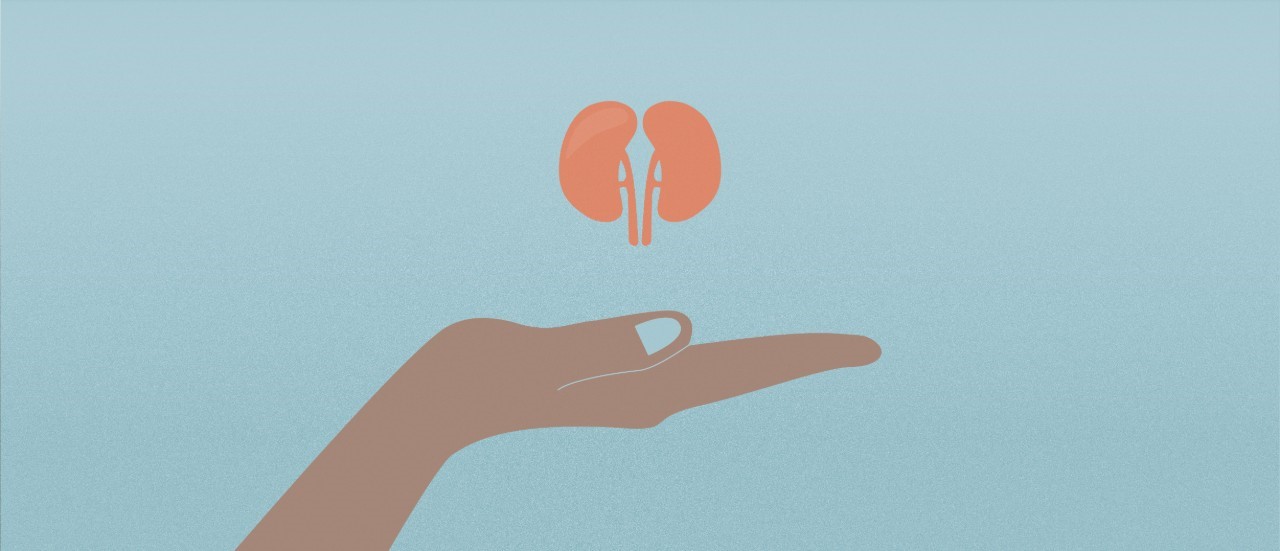
How to take good care of your kidneys
Peer reviewed by Dr Colin Tidy, MRCGPAuthored by Dr Sarah JarvisOriginally published 26 Apr 2019
Meets Patient’s editorial guidelines
- DownloadDownload
- Share
- Language
- Discussion
- Ask Patient
- Audio Version
- Add to preferred sources on Google
I was amazed to discover from a recent survey that 50% of Britons don't know that their kidneys make urine. They play an essential role in filtering out waste our bodies produce - which is exactly why we need to look after them.
Video picks for Kidney Video library
All your blood passes through the kidneys 40 times every single day. Your kidneys act partly as a sieve. A million tiny filters called glomeruli stop blood cells and other essential body components leaving the bloodstream but pass fluid, waste products and medicines through.
Some of the things this first stage of your kidneys lets through are needed by your body - and it wants them back. Attached to each glomerulus is a long tube - your kidneys have a remarkable 140 miles of tubing. As fluid passes along these tubes, water is reabsorbed into your system. If you're dehydrated, more will be reabsorbed, so you pass less than the average three to four pints of urine a day. Levels of salts (like sodium and potassium) are also balanced out in the kidneys, and sugar is taken back into the blood too.
As if this weren't enough, your kidneys have even more jobs in their multi-tasking portfolio. They regulate your blood pressure, help control production of red blood cells, and activate vitamin D to keep your bones strong. All this is hard work - your kidneys use a quarter of your body's basic energy levels.
Kidney problems
Symptoms of serious kidney problems include feeling tired; headaches loss of appetite or feeling sick; muscle cramps; passing urine more or less often than usual; or swelling or numbness in hands and feet. Symptoms of acute damage to your kidneys include a major reduction in amount of urine, feeling or being sick, feeling 'hungover', feeling thirsty, or confusion. Always see a doctor if you have these symptoms.
However, you often won't know if you have kidney problems in the early stages. That's why it's important to get regular blood tests if your GP advises it, to keep an eye on how they're working.
As you get older, your kidneys don't filter as well as they used to. This often doesn't cause any problems, but your doctor may want to test your blood pressure, urine and blood regularly to keep an eye on them. It does mean that you're more prone to becoming ill if you get dehydrated, so it's essential to keep your fluid intake up.
Lots of older people are labelled as having 'chronic kidney disease', or CKD, because their eGFR (the estimated glomerular filtration rate, or the rate your kidneys filter fluid) is below a certain threshold. In fact, as long as it's only tailing off slowly, this is often a natural part of ageing.
While you need to take the precautions above, it's not necessarily a cause for concern. I have many patients with this diagnosis whose kidneys are working more than well enough, despite this label, to last them until they're over a century old. Speak with your GP if you've discovered you have been labelled as having CKD and are in doubt about what it means.
High blood sugar and high blood pressure can both damage your kidneys. If you have either of these conditions, it's essential to have regular checks and take any medicines your doctor prescribes regularly.
For instance, blood pressure-lowering medicines called ACE inhibitors (or ARBs) - they all have names ending in '-pril' or '-sartan' - specifically protect your kidneys as well as keeping blood pressure down. Keeping your blood sugar down if you have diabetes - with diet, exercise and medication - dramatically lowers the risk to your kidneys. High blood sugar significantly increases the risk of long-term kidney damage in both type 1 and type 2 diabetes.
However, there are other conditions which affect just the kidneys - among them glomerulonephritis and adult polycystic kidney disease. And there are also conditions such as lupus and Henoch-Schönlein purpura which can damage these organs.
What happens if my kidneys fail?
Without treatment, you couldn't live if your kidneys weren't filtering harmful waste and excess water from your body. So thank goodness for science!
More than 40,000 people in the UK live with kidney failure. Some have had a kidney transplant, but more than half have regular dialysis. There are two main kinds of dialysis - in the most common kind, haemodialysis, you spend about three four-hour sessions a week 'hooked up' to a machine that filters all the toxins from your body. Many people live for years on this regular treatment. Having a kidney replacement removes the need for dialysis but involves taking regular medicines to stop your body rejecting your kidney.
Being kind to your kidneys
There are lots of ways you can look after your kidneys. Avoiding smoking, keeping your weight to healthy levels and exercising regularly will all protect them. So will reducing your intake of salt, including processed foods which are often high in hidden salt.
Some medicines can damage your kidneys. Others are filtered out of the body by your kidneys. This means if you have CKD, the levels might build up to dangerous levels. Your doctor will keep an eye on your tablets and may drop the dose or change some tablets if your kidney function drops. Most people don't come to harm with anti-inflammatory drugs like naproxen and ibuprofen, but in some people they're toxic to the kidneys. If you've been taking anti-inflammatory drugs for some time and your doctor suggests you should stop them, this may be why.
Keeping hydrated is also key. As a rule of thumb, healthy urine should be a pale straw colour. If it's much darker, you may be dehydrated. Being thirsty and a dry mouth are early warning signs to drink more. You can also suffer headaches, tiredness, dizziness and difficulty in concentrating. Older people may not feel as thirsty if they're dehydrated - so it's extra important to look out for warning signs.
About a quarter of your fluid comes from food, but you also need an 'average' of six to eight glasses of non-alcoholic fluid. Sugar-laden drinks are well known to increase your risk of weight gain and type 2 diabetes - and even sugar-free fizzy drinks have recently come under the spotlight. Tea and coffee both count towards your daily fluid intake as long as you don't go above 400 mg of caffeine - you get that from about four mugs of instant coffee or eight cups of tea. Above this level, they can have a diuretic effect, making you pass more urine and increasing the risk of dehydration.
If the weather's hot, or you're exercising or feverish, you'll need more. If you have a tummy bug, you also need to replace all the fluid you're losing from diarrhoea and vomiting, on top of these six to eight glasses.
With a bit of tender loving care, your kidneys should last you a lifetime.
Patient picks for Kidney
Heart health and blood vessels
What happens to your blood pressure when you're not measuring it?
Think about the last time you had your blood pressure checked. Perhaps you were sitting in your GP's surgery, waiting for the cuff to inflate. Seconds later, two numbers appeared on the screen. Those numbers provide useful information about your blood pressure at that moment. But blood pressure changes throughout the day and night. Some people even have higher readings at the GP's surgery than at home - known as white coat hypertension - while others have normal readings in the surgery but higher blood pressure elsewhere (masked hypertension).
by Hilo

General health
AskPatient
AskPatient is a safer, clinically informed AI assistant designed to help you understand health information and find reliable guidance on Patient.info. Whether you have a symptom, want to understand a condition, or need help finding the right information, AskPatient can guide you to clear, trusted content written and reviewed by healthcare professionals. Start by typing your question below. Open in a new window
by Patient infomatics team

General health and lifestyle
Ideas, Concerns and Expectations - a guide to filling in your GP’s online form
Booking a GP appointment has changed. Instead of waiting on the phone line at 8am, many people now complete an online consultation form through their practice website. At first glance, it may feel like another bureaucratic hurdle. But in fact, these forms are designed to help you, and your GP team, get to the heart of your problem more quickly. The way you fill them in makes a real difference. When you provide clear, thoughtful information, it not only helps the practice decide whether something is urgent, but also ensures you are directed to the right person in the wider primary care team. That might be your GP - but it could just as easily be a nurse, a pharmacist, a physiotherapist, or another professional who can meet your needs sooner. One of the simplest tools to guide you is known as Ideas, Concerns and Expectations, or ICE.
by Thomas Andrew Porteus, MBCS
Mental health
Mind and body control - how to channel your ‘internal telekinesis’
The dark nights have arrived, and right on cue, Mike Flanagan has turned his attention to one of Stephen King’s most iconic tales of teenage torment and supernatural terror... Carrie. The story of a schoolgirl with telekinetic powers - the fictional ability to move objects using the mind alone - has gripped our morbid imaginations for decades. Little wonder, then, that this horror classic is getting a new lease of life in a television adaptation. But while we ourselves may not be able to bend spoons or move furniture, we do possess our own real-world form of ‘internal-telekinesis’. Through mental focus and controlled breathing, we can influence our heart rate and help calm an overworked nervous system.
by Hannah Boynton-Forshaw
Diabetes
Diabetic foot ulcers
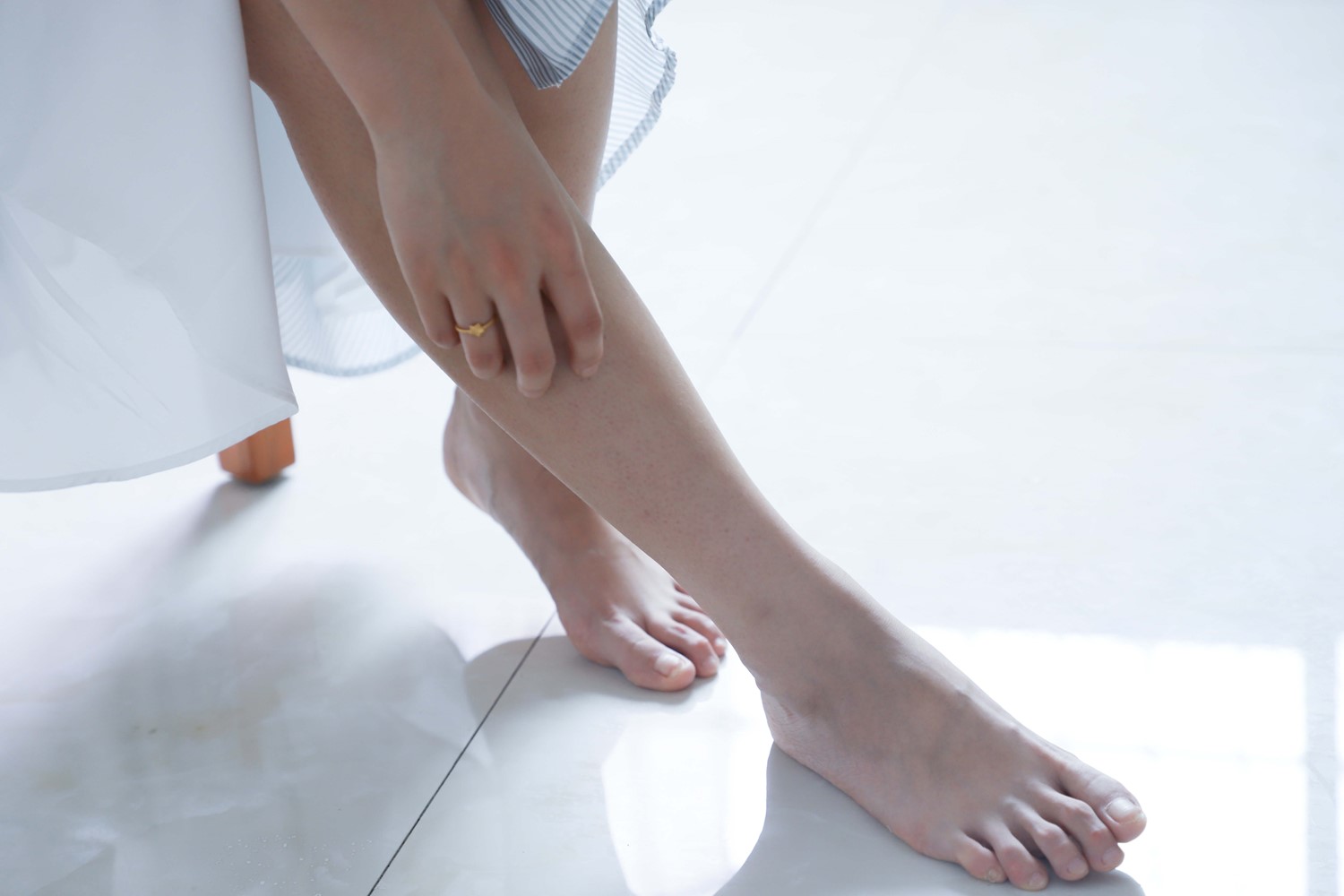
Some people with diabetes develop foot ulcers, due to poor skin circulation and reduced sensation in the feet. Regular examination of the feet and good diabetic control helps to prevent them. A foot ulcer is prone to infection, which may become severe. Ulcers sometimes need treatment with dressings, medication and, when appropriate, surgery.
by Dr Colin Tidy, MRCGP

Preventative health
Looking at the Moon
Feet are wider than hip distance and toes are slightly pointed out. Both arms lift as you turn from the waist to lift your arms and look at the moon behind you; as you do so the back heel can lift. As you inhale, lower your arms and come back to centre. I like to imagine that I can carry the light of the moon across the still waters of a lake. This form with its deep back rotation is linked with the water element and its associated organ and meridian system of the kidneys.
About the authorView full bio
Authored by

Dr Sarah Jarvis
Clinical Consultant
MA (Cantab), BM, BCh (Oxon), DRCOG, FRCGP, MBE
After training in medicine at Cambridge and Oxford, Dr Sarah Jarvis MBE became a GP.
About the reviewerView full bio

Dr Colin Tidy, MRCGP
General Practitioner, Medical Author
MBBS, MRCGP, MRCP (Paediatrics), DCH
Dr Colin Tidy is an NHS Doctor, based in Oxfordshire.
Article history
Article also available in English, German, Spanish, French, Italian, Portuguese, Hindi, Hebrew, Arabic, and Swedish.
26 Apr 2019 | Originally published
Authored by:
Dr Sarah JarvisPeer reviewed by
Dr Colin Tidy, MRCGP
Share your thoughts or experiences with others in our patient communities.
Sign up to the Patient newsletter
Your weekly dose of clear, trustworthy health advice - written to help you feel informed, confident and in control.
By subscribing you accept our Privacy Policy. You can unsubscribe at any time. We never sell your data.