3-hydroxyacyl-CoA dehydrogenase deficiency
Last updated 26 Jul 2023
Meets Patient’s editorial guidelines
- DownloadDownload
- Share
- Language
- Discussion
- Ask Patient
- Audio Version
- Add to preferred sources on Google
3-hydroxyacyl-CoA dehydrogenase deficiency is an inherited condition that prevents the body from converting certain fats to energy, particularly during prolonged periods without food (fasting).
Video picks for Genetic conditionsVideo library
Description
3-hydroxyacyl-CoA dehydrogenase deficiency is an inherited condition that prevents the body from converting certain fats to energy, particularly during prolonged periods without food (fasting).
Initial signs and symptoms of this disorder typically occur during infancy or early childhood and can include poor appetite, vomiting, diarrhea, and lack of energy (lethargy). Affected individuals can also have muscle weakness (hypotonia), liver problems, low blood glucose (hypoglycemia), and abnormally high levels of insulin (hyperinsulinism). Insulin controls the amount of glucose that moves from the blood into cells for conversion to energy. Individuals with 3-hydroxyacyl-CoA dehydrogenase deficiency are also at risk for complications such as seizures, life-threatening heart and breathing problems, coma, and sudden death. This condition may explain some cases of sudden infant death syndrome (SIDS), which is defined as unexplained death in babies younger than 1 year.
Problems related to 3-hydroxyacyl-CoA dehydrogenase deficiency can be triggered by periods of fasting or by illnesses such as viral infections. This disorder is sometimes mistaken for Reye syndrome, a severe disorder that may develop in children while they appear to be recovering from viral infections such as chicken pox or flu. Most cases of Reye syndrome are associated with the use of aspirin during these viral infections.
Inheritance patterns
The source lists the following possible inheritance patterns: Autosomal recessive. More than one pattern can apply in different cases.
Related genes
Other names
3-alpha-hydroxyacyl-coenzyme A dehydrogenase deficiency
3-hydroxyacyl-coenzyme A dehydrogenase deficiency
Deficiency of 3-hydroxyacyl-CoA dehydrogenase
HAD deficiency
HADH deficiency
HADHSC deficiency
L-3-alpha-hydroxyacyl-CoA dehydrogenase, short chain, deficiency
M/SCHAD deficiency
SCHAD deficiency
Patient picks for Genetic conditions
Heart health and blood vessels
Coarctation of the aorta
Coarctation of the aorta is a type of congenital heart disease where there is a narrowing in part of the aorta, the main artery that leaves the left side of the heart.
by Dr Toni Hazell, FRCGP
Diet and nutrition
Vitamin C: benefits, sources, and deficiency
Most of us know vitamin C is good for us, but do you know all the ways that this essential nutrient benefits your health? Here you can find out how easy it is to get enough vitamin C, as well as what happens when you consume too little and too much.
by Lynn Stephen
Healthy living
Zinc deficiency, excess and supplementation
Zinc is needed for many of the chemical reactions which are going on inside us all the time at micro-level. We get zinc from our diets but not getting enough can cause a wide variety of symptoms, some of which are very vague.
by Dr Toni Hazell, FRCGP
Healthy living
Vitamin A deficiency
Vitamins are a group of substances needed in small amounts by the body to maintain health. Vitamin A cannot be made by the human body and so it is an essential part of the diet. Vitamin A is important for healthy eyes, good eyesight (vision), healthy skin and to help you fight infections. Vitamin A is sometimes also called retinol. Foods that contain vitamin A include liver, milk, eggs and fish-liver oils. Another substance called beta carotene (which is found in green leafy and orange/yellow vegetables and fruits) can also be converted by your body to vitamin A. Mild forms of vitamin A deficiency can usually be treated without any long-term problems. Vitamin A deficiency is much more common in low-income countries, where it is often very severe and can cause loss of vision and even death.
by Dr Toni Hazell, FRCGP

Bones, joints and muscles
Vitamin D deficiency
Vitamin D deficiency happens when your body does not have enough vitamin D. This is a nutrient that helps keep bones, teeth, and muscles healthy. Vitamin D deficiency is common, especially in people who get little sunlight or have low vitamin D intake from their diet.
by Dr Hayley Willacy, FRCGP
Allergies, blood and immune system
Iron-deficiency anaemia
Iron-deficiency anaemia is a common type of anaemia that is caused by a lack of iron. Symptoms include pale skin and lack of energy. A low level of iron, leading to anaemia, can result from various causes. Some are more serious than others.
by Dr Rachel Hudson, MRCGP
Related patient information and medicines

Patient information leaflet
Newborn bloodspot test
If your baby was born prematurely (under 32 weeks) then your baby will need a repeat test when they are 28 days old. Medium-chain acyl-Co-A dehydrogenase deficiency (MCADD)- this is a very rare, but potentially life-threatening, inherited disorder, where fat cannot be broken down by the body as well as usual. Babies with this condition develop.
Patient information leaflet
Can I take Devil's claw and Vitamin C together?
Kidney stones (oxalate) High doses of vitamin C can increase the amount of oxalate in your urine, significantly raising the risk of developing kidney stones, especially if you have a history of them. G6PD deficiency If you have glucose-6-phosphate dehydrogenase (G6PD) deficiency, high doses of vitamin C can cause your red blood cells to break down.
Patient information leaflet
Can I take Ginger and Vitamin C together?
Kidney stones (Calcium oxalate) High doses of Vitamin C can significantly increase the amount of oxalate in your urine, which may lead to the formation of kidney stones, especially if you have a history of them. G6PD deficiency If you have glucose-6-phosphate dehydrogenase (G6PD) deficiency, high doses of vitamin C can cause your red blood cells.
Patient information leaflet
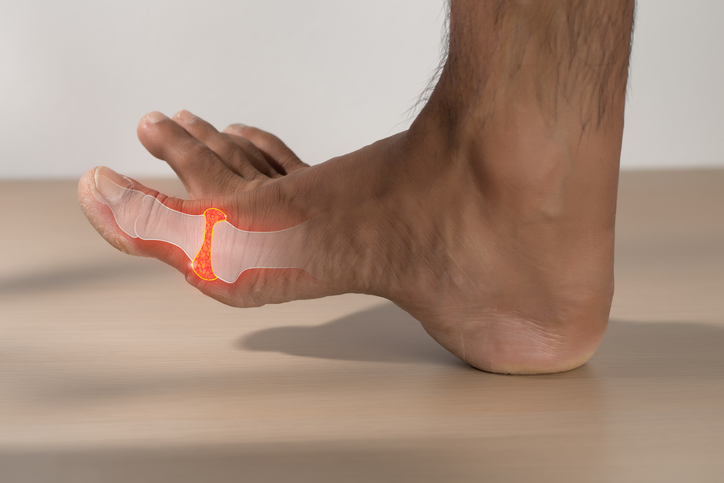
Gout
What is gout? | Patient Explainers Gout causes attacks of pain and swelling in one or more joints. ...llow Patient: Website: [https://patient.info/](https://patient.info/) Facebook: [https://www.facebook.com/patient](https://www.facebook.com/patient) Twitter: [https://twitter.com/patient](https://twitter.com/patient) Pinterest:.

Patient information leaflet
Gastrointestinal malabsorption
Gastrointestinal malabsorption syndrome means a failure to fully absorb digested foods from the gut (bowel) into your body. There are many different causes. ServiceUpsellPlaceholder What are the causes of gastrointestinal malabsorption. The most common causes in the UK are coeliac disease Coeliac disease , Crohn's disease Crohn's disease and.

Patient information leaflet
Knock knees
Causes of knock knees In most cases, knock knees are purely caused by the normal phase of growth and development. Occasionally - in either older children or adults - there can be an underlying problem causing the condition. For example: Vitamin deficiency (particularly vitamin D deficiency causing rickets Vitamin D deficiency ). Vitamin C Vitamin.
Further reading and references
- 3-hydroxyacyl-CoA dehydrogenase deficiency; MedlinePlus, National Library of Medicine.
- Bennett MJ, Russell LK, Tokunaga C, Narayan SB, Tan L, Seegmiller A, Boriack RL, Strauss AW. Reye-like syndrome resulting from novel missense mutations in mitochondrial medium- and short-chain l-3-hydroxy-acyl-CoA dehydrogenase. Mol Genet Metab. 2006 Sep-Oct;89(1-2):74-9. doi: 10.1016/j.ymgme.2006.04.004. Epub 2006 May 24.
- Bennett MJ, Spotswood SD, Ross KF, Comfort S, Koonce R, Boriack RL, IJlst L, Wanders RJ. Fatal hepatic short-chain L-3-hydroxyacyl-coenzyme A dehydrogenase deficiency: clinical, biochemical, and pathological studies on three subjects with this recently identified disorder of mitochondrial beta-oxidation. Pediatr Dev Pathol. 1999 Jul-Aug;2(4):337-45. doi: 10.1007/s100249900132.
- Filling C, Keller B, Hirschberg D, Marschall HU, Jornvall H, Bennett MJ, Oppermann U. Role of short-chain hydroxyacyl CoA dehydrogenases in SCHAD deficiency. Biochem Biophys Res Commun. 2008 Mar 28;368(1):6-11. doi: 10.1016/j.bbrc.2007.10.188. Epub 2007 Nov 26.
- Rinaldo P, Matern D, Bennett MJ. Fatty acid oxidation disorders. Annu Rev Physiol. 2002;64:477-502. doi: 10.1146/annurev.physiol.64.082201.154705.
- Treacy EP, Lambert DM, Barnes R, Boriack RL, Vockley J, O'brien LK, Jones PM, Bennett MJ. Short-chain hydroxyacyl-coenzyme A dehydrogenase deficiency presenting as unexpected infant death: A family study. J Pediatr. 2000 Aug;137(2):257-9. doi: 10.1067/mpd.2000.107467.
- Yang SY, He XY, Schulz H. 3-Hydroxyacyl-CoA dehydrogenase and short chain 3-hydroxyacyl-CoA dehydrogenase in human health and disease. FEBS J. 2005 Oct;272(19):4874-83. doi: 10.1111/j.1742-4658.2005.04911.x.
Share your thoughts or experiences with others in our patient communities.
Simple access to trusted treatments and health services online.
Common conditions
Get help with common conditions through the NHS, without a GP appointment.





Sign up to the Patient newsletter
Your weekly dose of clear, trustworthy health advice - written to help you feel informed, confident and in control.
By subscribing you accept our Privacy Policy. You can unsubscribe at any time. We never sell your data.