Adult-onset leukoencephalopathy with axonal spheroids and pigmented glia
Last updated 18 Aug 2020
Meets Patient’s editorial guidelines
- DownloadDownload
- Share
- Language
- Discussion
- Ask Patient
- Audio Version
- Add to preferred sources on Google
Adult-onset leukoencephalopathy with axonal spheroids and pigmented glia (ALSP) is a neurological condition characterised by changes to certain areas of the brain. A hallmark of ALSP is leukoencephalopathy, which is the alteration of a type of brain tissue called white matter. White matter consists of nerve fibers (axons) covered by a substance called myelin that insulates and protects them. The axons extend from nerve cells (neurons) and transmit nerve impulses throughout the body. Areas of damage to this brain tissue (white matter lesions) can be seen with magnetic resonance imaging (MRI). Another feature of ALSP is swellings called spheroids in the axons of the brain, which are a sign of axon damage. Also common in ALSP are abnormally pigmented glial cells. Glial cells are specialized brain cells that protect and maintain neurons. Damage to myelin and neurons is thought to contribute to many of the neurological signs and symptoms in people with ALSP.
Video picks for Genetic conditionsVideo library
Description
Adult-onset leukoencephalopathy with axonal spheroids and pigmented glia (ALSP) is a neurological condition characterised by changes to certain areas of the brain. A hallmark of ALSP is leukoencephalopathy, which is the alteration of a type of brain tissue called white matter. White matter consists of nerve fibers (axons) covered by a substance called myelin that insulates and protects them. The axons extend from nerve cells (neurons) and transmit nerve impulses throughout the body. Areas of damage to this brain tissue (white matter lesions) can be seen with magnetic resonance imaging (MRI). Another feature of ALSP is swellings called spheroids in the axons of the brain, which are a sign of axon damage. Also common in ALSP are abnormally pigmented glial cells. Glial cells are specialized brain cells that protect and maintain neurons. Damage to myelin and neurons is thought to contribute to many of the neurological signs and symptoms in people with ALSP.
Symptoms of ALSP usually begin in a person's forties and worsen over time. Personality changes, including depression and a loss of social inhibitions, are among the earliest symptoms of ALSP. Affected individuals may develop memory loss and loss of executive function, which is the ability to plan and implement actions and develop problem-solving strategies. Loss of this function impairs skills such as impulse control, self-monitoring, and focusing attention appropriately. Some people with ALSP have mild seizures, usually only when the condition begins. As ALSP progresses, it causes a severe decline in thinking and reasoning abilities (dementia).
Over time, motor skills are affected, and people with ALSP may have difficulty walking. Many develop a pattern of movement abnormalities known as parkinsonism, which includes unusually slow movement (bradykinesia), involuntary trembling (tremor), and muscle stiffness (rigidity). The pattern of cognitive and motor problems are variable, even among individuals in the same family, although almost all affected individuals ultimately become unable to walk, speak, and care for themselves.
ALSP was previously thought to be two separate conditions, hereditary diffuse leukoencephalopathy with spheroids (HDLS) and familial pigmentary orthochromatic leukodystrophy (POLD), both of which cause very similar white matter damage and cognitive and movement problems. POLD was thought to be distinguished by the presence of pigmented glial cells and an absence of spheroids; however, people with HDLS can have pigmented cells, too, and people with POLD can have spheroids. HDLS and POLD are now considered to be part of the same disease spectrum, which researchers have recommended calling ALSP.
Inheritance patterns
The source lists the following possible inheritance patterns: Autosomal dominant. More than one pattern can apply in different cases.
Related genes
Other names
ALSP
Hereditary diffuse leukoencephalopathy with axonal spheroids and pigmented glia
Patient picks for Genetic conditions

General health and lifestyle
Book a Pharmacy First online consultation
NHS Pharmacy First is a new scheme from the G... It allows patients to get treatment, including prescription medications where necessary, for common conditions without the need for a GP appointment. Through NHS Pharmacy First, My Local Surgery offers fast, free private online consultations with an NHS pharmacist for quick diagnosis and.
by Thomas Andrew Porteus, MBCS

Infections
Symptoms of sepsis in adults
Sepsis is a severe condition that can be fatal if not caught early. Signs and symptoms can be vague or severe. This leaflet will let you know what symptoms to look out for.
by Dr Krishna Vakharia, MRCGP

Pregnancy
Cervical insufficiency and suture
Cervical insufficiency (sometimes called cervical incompetence) occurs when the neck of the womb (the cervix) softens, shortens and opens without any other symptoms of labour. This may be in the second trimester or early in the third, leading to premature delivery of the baby. Cervical suture - also called cervical cerclage or cervical stitch - is a stitch placed in/around the cervix. This is to try to prevent late miscarriage or premature birth in women who are felt to be at high risk of cervical insufficiency.
by Dr Hayley Willacy, FRCGP

Nutrition and diet
Fatty liver diet - foods to eat and avoid
Looking after your liver starts with healthy habits. We share advice on foods to eat and avoid when managing fatty liver disease, in support of better liver health: [https://patient.info/features/diet-and-nutrition/fatty-liver-diet](https://patient.info/features/diet-and-nutrition/fatty-liver-diet) *Visuals: Ben Hudson* *Audio: Victoria Raw* #LiverHealth #FattyLiver #FattyLiverDiet #HealthyEating #PatientInfo
Podcasts
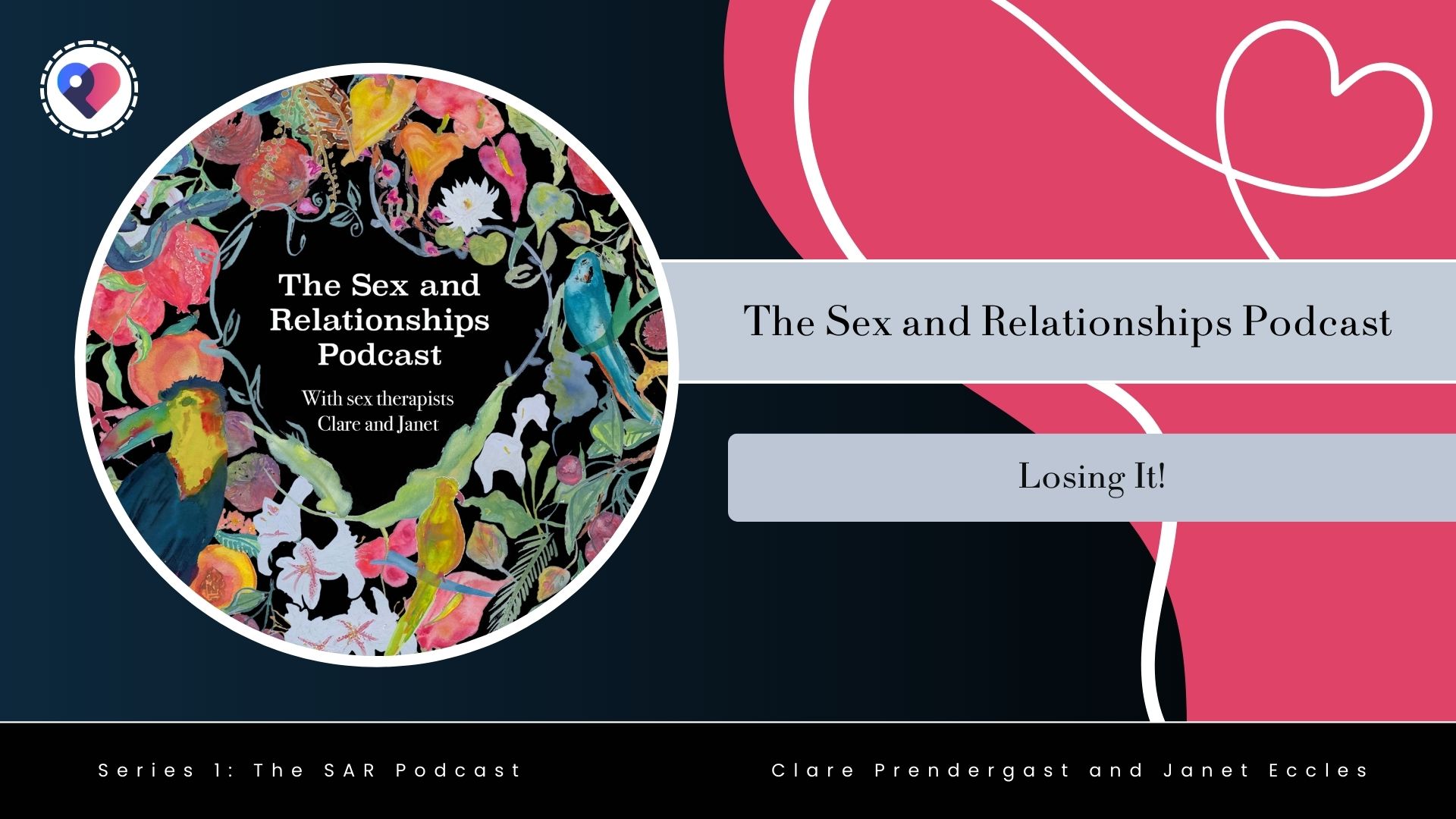
Losing it!
Why losing your erection doesn’t have to be the catastrophe you might think it is. Clare and Janet discuss ways to help with erection problems.
by Thomas Andrew Porteus, MBCS
Preventative health
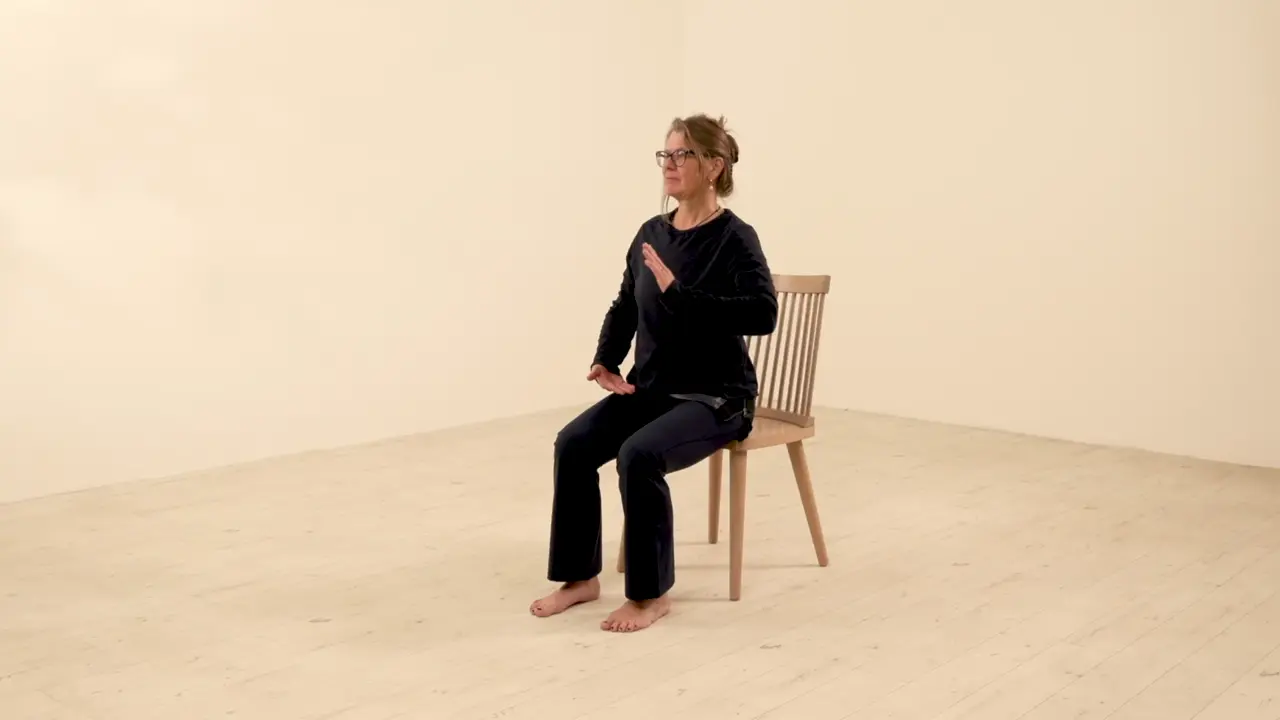
Spinal Twist and Back Glance
Spinal Twist and Back Glance combines a gentle torso rotation with a backward gaze to release tension in the spine and shoulders. It enhances mobility, balance, and postural awareness.
Related patient information and medicines

Patient information leaflet
Nasal congestion
This leaflet deals with the causes and treatment of nasal congestion. Dr Krishna Vakharia, 21st February 2024 A note on pseudoephedrine-containing products. Following a review by MHRA - the safety information of all pseudoephedrine-containing medicines will be updat... PRES- also known as reversible posterior leukoencephalopathy syndrome (RPLS)..

Patient information leaflet
CT scan
Note : the information below is a general guide only. The arrangements, and the way tests are performed, may vary between different hospitals. Always follow the instructions given by your doctor or local hospital. What is a CT scan. A CT scan is a specialised X-ray test. It can give quite clear pictures of the inside of your body. In particular,.

Patient information leaflet
Decongestants
Dr Krishna Vakharia , 21st February 2024 A note on pseudoephedrine-containing products. Following a review by MHRA - the safety information of all pseudoephedrine-containing medicines will be updated to provide clearer descriptions of these risks and potential risk factors for these conditions for both patients and healthcare professionals. PRES-.

Patient information leaflet
Check your medicines for interactions
Use this medicine and drug interaction checker to see whether your medicines, supplements, vitamins, foods, or certain health conditions may interact with each other. It can help you understand potential risks, avoid unwanted side effects, and decide when it’s important to speak to a pharmacist, GP, or other healthcare professional. The tool is.

Patient information leaflet
Gallstones
They sometimes cause pain, yellowing of your skin or the whites of the eyes ( jaundice ), inflammation of the pancreas ( pancreatitis ) and gallbladder inflammation. Bile is a greenish yellow secretion that is produced in the liver and passed to the gallbladder, where it becomes more concentrated and is either stored or passes via the common bile.

Patient information leaflet
Eye problems
Regular eye exams, proper hygiene, protection from irritants, and managing underlying health conditions can reduce the risk of having problems with your eyes. Eye surface conditions: conjunctiva, cornea and sclera The conjunctiva is the clear, front part of the eye overlying the white of your eye and the underside of the eyelids..
Further reading and references
- Adult-onset leukoencephalopathy with axonal spheroids and pigmented glia; MedlinePlus, National Library of Medicine.
- Ali ZS, Van Der Voorn JP, Powers JM. A comparative morphologic analysis of adult onset leukodystrophy with neuroaxonal spheroids and pigmented glia--a role for oxidative damage. J Neuropathol Exp Neurol. 2007 Jul;66(7):660-72. doi: 10.1097/nen.0b013e3180986247.
- Dulski J, Sundal C, Wszolek ZK. CSF1R-Related Disorder. 2012 Aug 30 [updated 2024 Apr 4]. In: Adam MP, Bick S, Mirzaa GM, Wallace SE, Amemiya A, editors. GeneReviews(R) [Internet]. Seattle (WA): University of Washington, Seattle; 1993-2026. Available from http://www.ncbi.nlm.nih.gov/books/NBK100239/
- Freeman SH, Hyman BT, Sims KB, Hedley-Whyte ET, Vossough A, Frosch MP, Schmahmann JD. Adult onset leukodystrophy with neuroaxonal spheroids: clinical, neuroimaging and neuropathologic observations. Brain Pathol. 2009 Jan;19(1):39-47. doi: 10.1111/j.1750-3639.2008.00163.x. Epub 2008 Apr 15.
- Kleinfeld K, Mobley B, Hedera P, Wegner A, Sriram S, Pawate S. Adult-onset leukoencephalopathy with neuroaxonal spheroids and pigmented glia: report of five cases and a new mutation. J Neurol. 2013 Feb;260(2):558-71. doi: 10.1007/s00415-012-6680-6. Epub 2012 Sep 30.
- Mitsui J, Matsukawa T, Ishiura H, Higasa K, Yoshimura J, Saito TL, Ahsan B, Takahashi Y, Goto J, Iwata A, Niimi Y, Riku Y, Goto Y, Mano K, Yoshida M, Morishita S, Tsuji S. CSF1R mutations identified in three families with autosomal dominantly inherited leukoencephalopathy. Am J Med Genet B Neuropsychiatr Genet. 2012 Dec;159B(8):951-7. doi: 10.1002/ajmg.b.32100. Epub 2012 Oct 4.
- Nicholson AM, Baker MC, Finch NA, Rutherford NJ, Wider C, Graff-Radford NR, Nelson PT, Clark HB, Wszolek ZK, Dickson DW, Knopman DS, Rademakers R. CSF1R mutations link POLD and HDLS as a single disease entity. Neurology. 2013 Mar 12;80(11):1033-40. doi: 10.1212/WNL.0b013e31828726a7. Epub 2013 Feb 13.
- Rademakers R, Baker M, Nicholson AM, Rutherford NJ, Finch N, Soto-Ortolaza A, Lash J, Wider C, Wojtas A, DeJesus-Hernandez M, Adamson J, Kouri N, Sundal C, Shuster EA, Aasly J, MacKenzie J, Roeber S, Kretzschmar HA, Boeve BF, Knopman DS, Petersen RC, Cairns NJ, Ghetti B, Spina S, Garbern J, Tselis AC, Uitti R, Das P, Van Gerpen JA, Meschia JF, Levy S, Broderick DF, Graff-Radford N, Ross OA, Miller BB, Swerdlow RH, Dickson DW, Wszolek ZK. Mutations in the colony stimulating factor 1 receptor (CSF1R) gene cause hereditary diffuse leukoencephalopathy with spheroids. Nat Genet. 2011 Dec 25;44(2):200-5. doi: 10.1038/ng.1027.
- Wider C, Van Gerpen JA, DeArmond S, Shuster EA, Dickson DW, Wszolek ZK. Leukoencephalopathy with spheroids (HDLS) and pigmentary leukodystrophy (POLD): a single entity? Neurology. 2009 Jun 2;72(22):1953-9. doi: 10.1212/WNL.0b013e3181a826c0.
Share your thoughts or experiences with others in our patient communities.
Simple access to trusted treatments and health services online.
Common conditions
Get help with common conditions through the NHS, without a GP appointment.





Sign up to the Patient newsletter
Your weekly dose of clear, trustworthy health advice - written to help you feel informed, confident and in control.
By subscribing you accept our Privacy Policy. You can unsubscribe at any time. We never sell your data.