Cryopyrin-associated periodic syndromes
Last updated 22 Aug 2023
Meets Patient’s editorial guidelines
- DownloadDownload
- Share
- Language
- Discussion
- Ask Patient
- Audio Version
- Add to preferred sources on Google
Cryopyrin-associated periodic syndromes (CAPS) are a group of conditions that have overlapping signs and symptoms and the same genetic cause. The group includes three conditions known as familial cold autoinflammatory syndrome type 1 (FCAS1), Muckle-Wells syndrome (MWS), and neonatal-onset multisystem inflammatory disorder (NOMID). These conditions were once thought to be distinct disorders but are now considered to be part of the same condition spectrum. FCAS1 is the least severe form of CAPS, MWS is intermediate in severity, and NOMID is the most severe form.
Video picks for Genetic conditionsVideo library
Description
Cryopyrin-associated periodic syndromes (CAPS) are a group of conditions that have overlapping signs and symptoms and the same genetic cause. The group includes three conditions known as familial cold autoinflammatory syndrome type 1 (FCAS1), Muckle-Wells syndrome (MWS), and neonatal-onset multisystem inflammatory disorder (NOMID). These conditions were once thought to be distinct disorders but are now considered to be part of the same condition spectrum. FCAS1 is the least severe form of CAPS, MWS is intermediate in severity, and NOMID is the most severe form.
The signs and symptoms of CAPS affect multiple body systems. Generally, CAPS are characterised by periodic episodes of skin rash, fever, and joint pain. These episodes can be triggered by exposure to cold temperatures, fatigue, other stressors, or they may arise spontaneously. Episodes can last from a few hours to several days. These episodes typically begin in infancy or early childhood and persist throughout life.
While the CAPS spectrum shares similar signs and symptoms, the individual conditions tend to have distinct patterns of features. People with FCAS1 are particularly sensitive to the cold, and exposure to cold temperatures can trigger a painful or burning rash. The rash usually affects the torso and limbs but may spread to the rest of the body. In addition to fever and joint pain, other possible symptoms include muscle aches, chills, drowsiness, eye redness, headache, and nausea.
Individuals with MWS develop the typical periodic episodes of skin rash, fever, and joint pain after cold exposure, although episodes may occur spontaneously or all the time. Additionally, they can develop progressive hearing loss in their teenage years. Other features of MWS include skin lesions or kidney damage from abnormal deposits of a protein called amyloid (amyloidosis).
In people with NOMID, the signs and symptoms of the condition are usually present from birth and persists throughout life. In addition to skin rash and fever, affected individuals may have joint inflammation, swelling, and joint deformities called contractures that may restrict movement. People with NOMID typically have headaches, seizures, and cognitive impairment resulting from chronic meningitis, which is inflammation of the tissue that covers and protects the brain and spinal cord (meninges). Other features of NOMID include eye problems, short stature, distinctive facial features, and kidney damage caused by amyloidosis.
Related genes
Other names
CAPS
Cryopyrinopathy
NLRP3-associated autoinflammatory disease
Patient picks for Genetic conditions
Travel and vaccinations
What side effects are associated with the yellow fever vaccine?
Yellow fever is endemic to many countries in Latin America and Africa and can often be fatal. Vaccination is currently the best protection against this deadly disease - but what are the risks?
by Léa Surugue
Preventative health
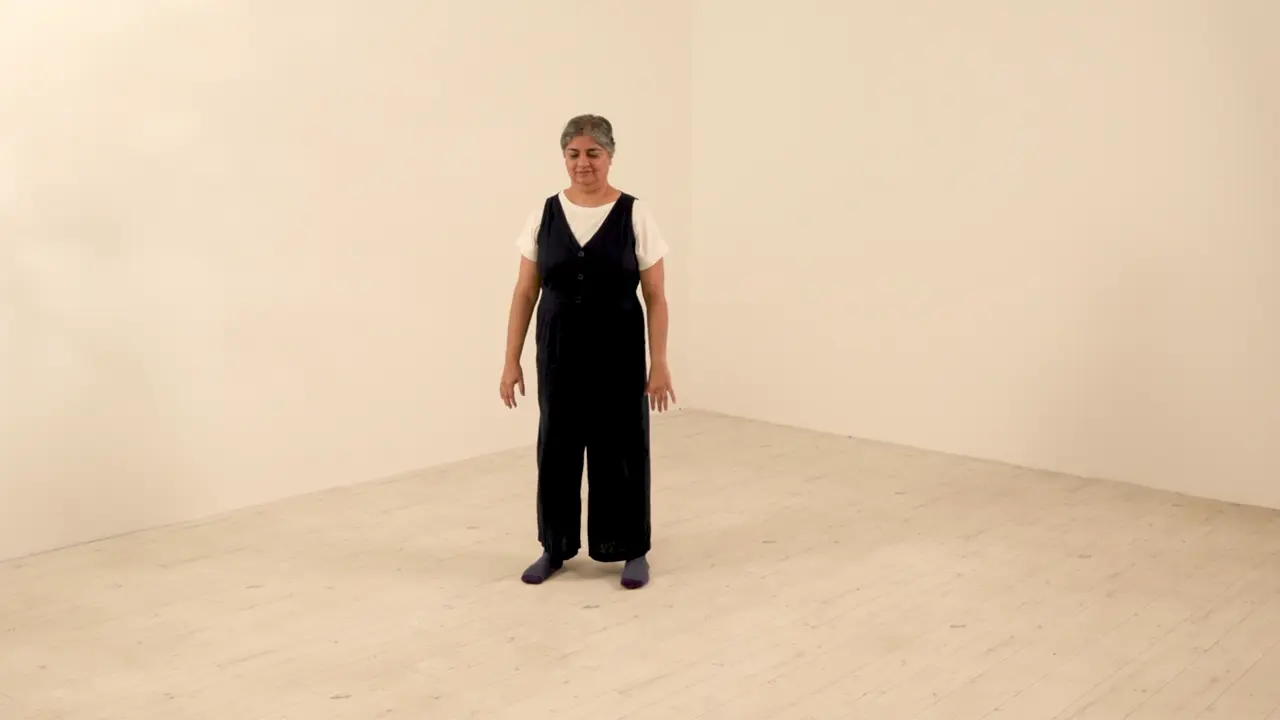
Looking at the Moon
Feet are wider than hip distance and toes are slightly pointed out. Both arms lift as you turn from the waist to lift your arms and look at the moon behind you; as you do so the back heel can lift. As you inhale, lower your arms and come back to centre. I like to imagine that I can carry the light of the moon across the still waters of a lake. This form with its deep back rotation is linked with the water element and its associated organ and meridian system of the kidneys.
Preventative health
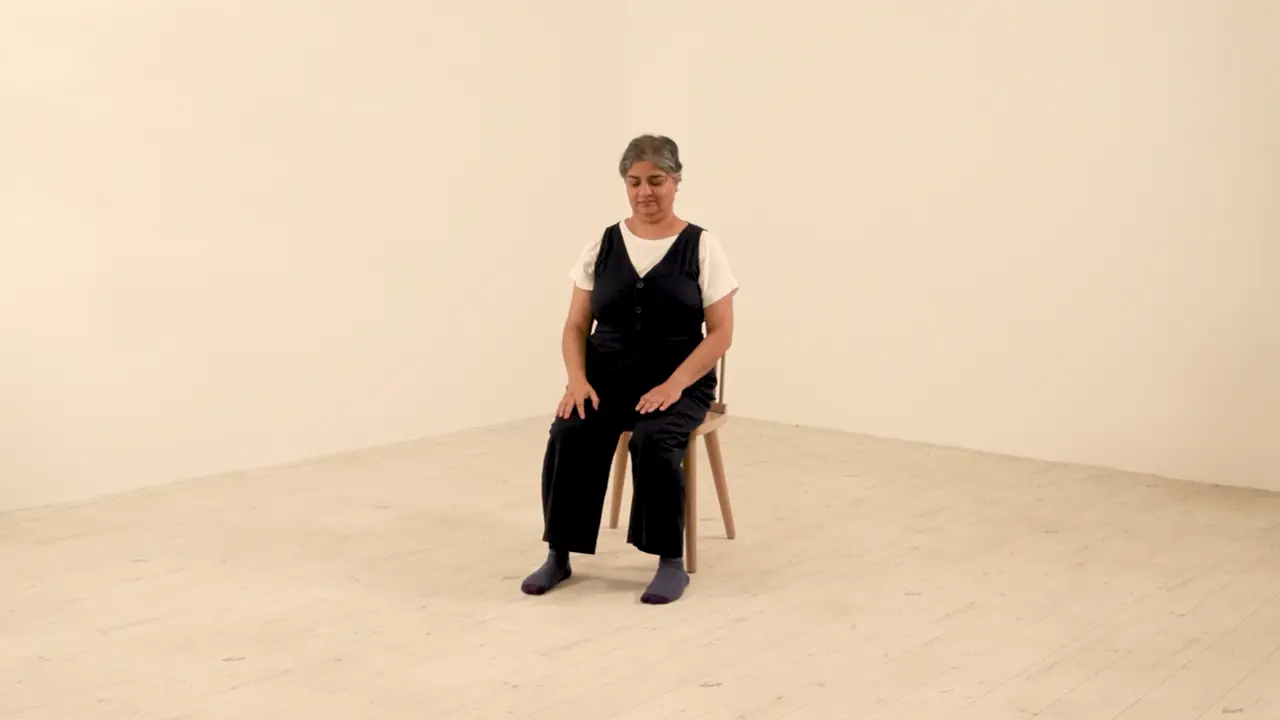
Looking at the Moon Seated
Sit toward the front of the chair with your feet flat on the floor, slightly wider than hip-distance apart, and toes pointing comfortably forward. Keep the spine long and knees soft. Lift both arms and, turning gently from the waist, move the arms as if reaching to look at the moon behind you. As you turn, you can subtly lift the heels or simply imagine the rising motion. Inhale as you lower the arms and return to centre, maintaining length through the spine. Imagine carrying the light of the moon across the still waters of a lake. This gentle twisting movement, with its deep rotation, is associated with the Water element and the Kidneys, supporting circulation, grounding, and a sense of calm and reflection.

Rashes
What could this rash be? (Adults)
Dr Sarah Jarvis MBE Some rashes (especially dark red or purple rashes that don't fade with pressure) may need urgent medical treatment as they can be associated with meningitis and blood infection (septicaemia). For more information, go to [https://patient.info/health/skin-rashes](https://patient.info/health/skin-rashes)
by Dr Sarah Jarvis

Meningitis Q&A
Is meningitis life threatening?
Dr Sarah Jarvis On average there are around 3,200 cases of bacterial meningitis a year; after babies, 16-25 year olds are the age group most affected. Experts are currently worried about an increase in cases associated with a particularly aggressive MenW strain, called ST-11 - in 2009/10 there were only 22 cases in England, but this went up to 210 cases in 2015/16. Scarily, one in seven teenagers infected with MenW don't survive. [https://patient.info/health/meningitis-leaflet/features/do-you-need-the-meningitis-jab](https://patient.info/health/meningitis-leaflet/features/do-you-need-the-meningitis-jab)
by Dr Sarah Jarvis

Children's health
More evidence that social media is associated with teenage depression
Researchers have found a link between social media usage and teenage depression.
by Ashwin Bhandari
Related patient information and medicines

Patient information leaflet
Ehlers-Danlos syndrome
The Ehlers-Danlos syndromes (EDS) are a group of conditions that affect the stretchiness and strength of supporting tissues in the body, including skin, joints, blood vessels and internal organs. Myopathic Ehlers-Danlos syndrome Myopathic EDS (mEDS) is a milder subtype of EDS which causes very floppy muscles which may se... Periodontal.

Patient information leaflet
Antiphospholipid syndrome
Antiphospholipid syndrome is sometimes called Hughes' syndrome. It is a disease that affects the blood and makes it more likely to clot than normal - a thrombophilia. What is antiphospholipid syndrome. Antiphospholipid syndrome (APS) - also called Hughes' syndrome - makes blood more likely than normal to clot (a thrombophilia Thrombophilia ). This.

Patient information leaflet
Restless legs syndrome
Restless legs syndrome causes uncomfortable feelings in your legs. As a result, you have an urge to move your legs which gives temporary relief. What is restless legs syndrome. Restless legs syndrome (RLS) is sometimes called Willis-Ekbom disease after the doctors who first described it. It is a condition where you have an urge to move your legs..

Patient information leaflet
Cri du chat syndrome
Cri du chat syndrome is a chromosome problem caused by a missing piece of chromosome 5. The syndrome is called cri du chat (French for cry of the cat) because affected babies often have a high-pitched cry. Not all babies with the missing piece of chromosome 5 will develop cri du chat syndrome. Cri du chat syndrome may cause a variety of.
Patient information leaflet
Premenstrual syndrome
Premenstrual syndrome (PMS) can cause various symptoms before periods. Premenstrual syndrome (PMS) is the name given for various symptoms you may experience in the weeks before your period. 'Physiological premenstrual symptoms' refers to premenstrual symptoms (eg, abdominal bloating, breast tenderness, headache, acne Acne , constipation.

Patient information leaflet
Nephrotic syndrome
Nephrotic syndrome is a condition where the 'filters' in the kidney become 'leaky' and large amounts of protein leak from the blood into the urine. The main symptom is fluid retention (oedema) which is mainly due to the low protein level in the blood. Various diseases can cause nephrotic syndrome, some more serious than others. Treatment and.
Further reading and references
- Cryopyrin-associated periodic syndromes ; MedlinePlus, National Library of Medicine.
- Assrawi E, Louvrier C, Lepelletier C, Georgin-Lavialle S, Bouaziz JD, Awad F, Moinet F, Moguelet P, Vignon-Pennamen MD, Piterboth W, Jumeau C, Cobret L, El Khouri E, Copin B, Duquesnoy P, Legendre M, Grateau G, Karabina SA, Amselem S, Giurgea I. Somatic Mosaic NLRP3 Mutations and Inflammasome Activation in Late-Onset Chronic Urticaria. J Invest Dermatol. 2020 Apr;140(4):791-798.e2. doi: 10.1016/j.jid.2019.06.153. Epub 2019 Sep 9.
- Ben-Chetrit E, Gattorno M, Gul A, Kastner DL, Lachmann HJ, Touitou I, Ruperto N; Paediatric Rheumatology International Trials Organisation (PRINTO) and the AIDs Delphi study participants. Consensus proposal for taxonomy and definition of the autoinflammatory diseases (AIDs): a Delphi study. Ann Rheum Dis. 2018 Nov;77(11):1558-1565. doi: 10.1136/annrheumdis-2017-212515. Epub 2018 Aug 12.
- Paim-Marques LB, Cavalcante A, Castro C, Muskardin TLW, de Oliveira JB, Niewold TB, Appenzeller S. Novel mutation in the NRLP3 manifesting as an intermediate phenotype of cryopyrinopathies. Rheumatol Int. 2021 Jan;41(1):219-225. doi: 10.1007/s00296-020-04683-5. Epub 2020 Aug 19.
- Welzel T, Kuemmerle-Deschner JB. Diagnosis and Management of the Cryopyrin-Associated Periodic Syndromes (CAPS): What Do We Know Today? J Clin Med. 2021 Jan 1;10(1):128. doi: 10.3390/jcm10010128.
Share your thoughts or experiences with others in our patient communities.
Simple access to trusted treatments and health services online.
Common conditions
Get help with common conditions through the NHS, without a GP appointment.





Sign up to the Patient newsletter
Your weekly dose of clear, trustworthy health advice - written to help you feel informed, confident and in control.
By subscribing you accept our Privacy Policy. You can unsubscribe at any time. We never sell your data.