More evidence that social media is associated with teenage depression
Peer reviewed by Natalie HealeyAuthored by Ashwin BhandariOriginally published 16 Jul 2019
Meets Patient’s editorial guidelines
- DownloadDownload
- Share
- Language
- Discussion
- Audio Version
- Add to preferred sources on Google
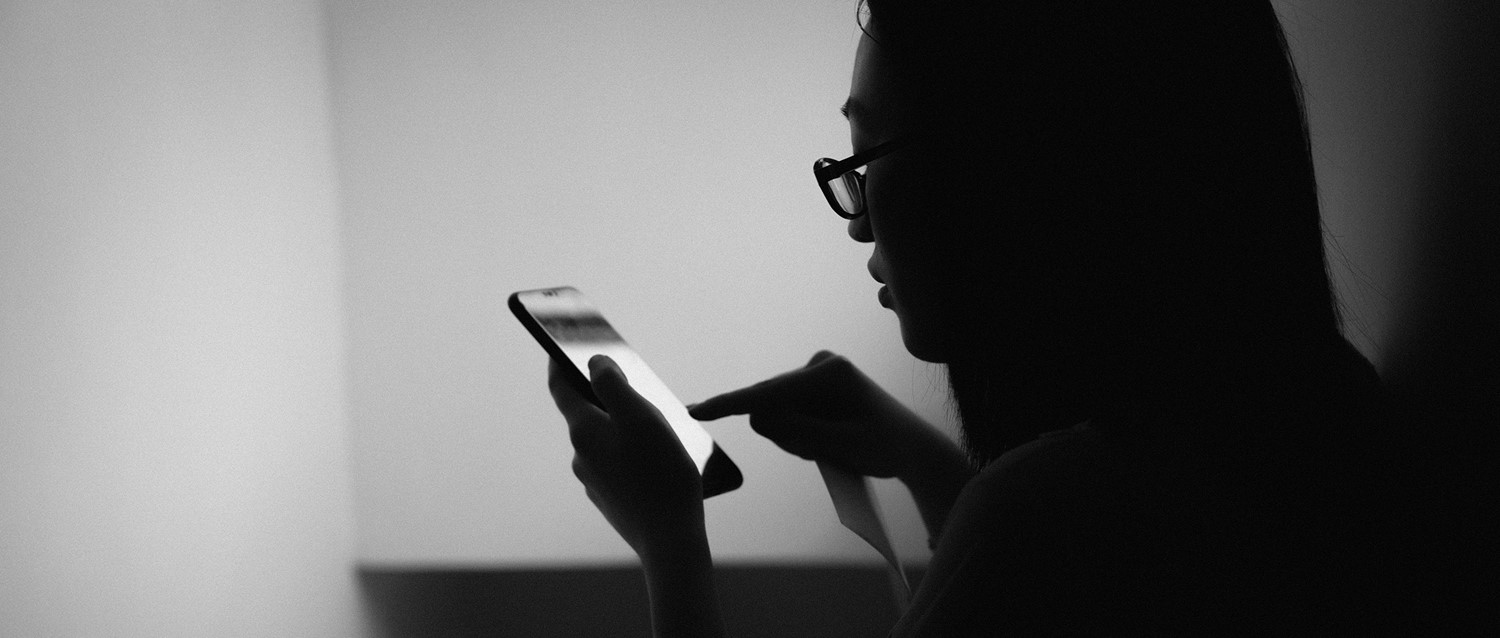
Researchers have found a link between social media usage and teenage depression.
For every extra hour that a young adult spends on social media, the more likely they are to experience symptoms of depression, suggests a study published in JAMA Pediatrics.
The research followed just under 4,000 children from 31 schools in Montreal, Canada, and monitored their weekly screen time and episodes of depression via surveys for four years. The teenagers were asked to rate how severe their symptoms were, on a scale of 1-10, which ranged from 'feeling sad', 'feeling hopeless' and 'feeling lonely'.
"Social media and television are forms of media that frequently expose adolescents to images of others operating in more prosperous situations, such as other adolescents with perfect bodies and a more exciting or rich lifestyle. The algorithmic features of television viewing and in particular, social media, create and maintain a feedback loop by suggesting similar content to users based on their previous search and selection behaviour. Thus, the more one's depressive state influences their viewing choices, the more similar content is being suggested and provided, and the more likely one will be continuously exposed to such content, therewith maintaining and enhancing depression," explained the study's lead author, Dr Elroy Boers at Université de Montréal's Department of Psychiatry.
Every extra hour a day on social media was linked to an increase in depressive symptoms, with similar findings linked to computer use. However, there was no evidence to suggest that video game use and depressive episodes were linked. The researchers hypothesised this may be because unlike social media, video games are not based in reality.
Dr Gemma Lewis, a psychiatric researcher for University College London who did not work on this study pointed out some limitations. She says teenagers in this research were originally selected for another study looking at interventions for substance abuse.
She said: "We know that many of the personality traits associated with substance abuse could also be associated with depression and therefore these adolescents are likely to have a higher risk of mental health problems than the general population of adolescents. We need more high-quality evidence in addition to this study before we can conclude that adolescents' social media and television use should be regulated to prevent depression."
Patient picks for Mental health and behaviour

Children's health
How to spot the signs of anxiety in kids
As adults, we all feel a little anxious or worried from time to time. So it's natural that our children feel that way sometimes too. It's important to be able to spot the signs so that we can respond appropriately, but also take action if there may be a more serious underlying problem.
by Gillian Harvey

Children's health
Signs your child is struggling with their mental health
With schools closed, friends out of reach and normal life on hold, it's hardly surprising that some of our children will be struggling with difficult emotions. With children often lacking the vocabulary to explain how they feel, what are the signs we should look out for as parents, and how should we act on our concerns?
by Gillian Harvey
About the authorView full bio
Authored by

Ashwin Bhandari
Medical Writer
BA Journalism
About the reviewerView full bio

Natalie Healey
Freelance journalist
BSc (Hons) Biomedical Science
She is a London-based health journalist who has been writing about science and medicine for several years. She is the former head of editorial at Patient.
Article history
Article also available in English, German, Spanish, French, Italian, Portuguese, Hindi, Hebrew, Arabic, and Swedish.
16 Jul 2019 | Originally published
Authored by:
Ashwin BhandariPeer reviewed by
Natalie Healey
Join the conversation
Share your thoughts or experiences with others in our patient communities.

Ask, share, connect.
Browse discussions, ask questions, and share experiences across hundreds of health topics.

Feeling unwell?
Assess your symptoms online for free
Sign up to the Patient newsletter
Your weekly dose of clear, trustworthy health advice - written to help you feel informed, confident and in control.
By subscribing you accept our Privacy Policy. You can unsubscribe at any time. We never sell your data.