
How to support your transgender child
Peer reviewed by Dr Sarah JarvisAuthored by Sarah GrahamOriginally published 26 Jan 2018
Meets Patient’s editorial guidelines
- DownloadDownload
- Share
- Language
- Discussion
- Ask Patient
- Audio Version
- Add to preferred sources on Google
"Some years ago, at a young age, our daughter Sophie* first told us they were a girl. This was quite a shock at the time, as we'd thought they were born male. It turned out we were mistaken," says Joe*, who tweets as @DadTrans and blogs at Growing Up Transgender with his partner @FierceMum.
Video picks for Gender identityVideo library
"Our acceptance of her identity did not happen overnight. At first we didn't take it seriously. We tried to tell her she could be whatever type of boy she wanted to be, wear what she wanted, play with what she wanted. This was totally missing the point, and simply made her even sadder," he adds.
"Eventually, it got to a point where we had a very depressed child, who felt rejected by her parents. We realised that we were letting her down."
Recent years have seen a steadily growing awareness of issues around gender identity and trans people like Sophie. Sadly though, gender diverse children and young people have also become an increasingly popular topic of controversy and tabloid hand wringing - particularly around the use of hormone blockers to treat trans children.
As a parent, all that noise can just add to the worry and confusion you're probably feeling if your child has recently told you they're questioning their gender identity. You'll no doubt want to support them in the best way possible, but it's also totally normal and understandable to have questions and concerns about the impact it will have on their life.
Managing your initial reaction
"Parents are typically concerned over how their child is going to be treated - that they might be bullied, or that they'll never have a job, a partner, or a life," says Susie Green, CEO of charity Mermaids UK, which supports trans and gender non-conforming young people.
"Sometimes they're concerned that they're giving credence to something that may simply be a phase. A lot of that is based on fear, and that's completely understandable because trans people are still about 30 years behind the gay movement in terms of understanding, acceptance and awareness," she explains.
So what can you do if your child has opened up about their gender identity? The main thing, Susie says, is to listen and acknowledge what they're going through. "Allowing them to express themself, keeping communication open, and believing them, is absolutely the best way forward. That's how you end up with kids who know they're loved and supported, regardless of what the outcome will be," she says.
"You might want to have conversations like, 'How long have you been feeling like this?' - but avoid asking them to prove it, or casting doubt on the truth of it. That constant questioning and being made to validate themself is really damaging," she adds. Besides, if your child is referred to gender identity services further down the line, Susie explains, those questions will be asked as part of the assessment process.
Get informed
Doing your research around gender dysphoria (the name given to the condition trans people live with) will help both you and your child come to terms with their identity and move forwards.
There is a tremendous amount of support available to parents and young people online.The charities GIRES and Mermaids have a wealth of experience, knowledge and research available.
With the accessibility of information on the internet, your child may have already spent hours researching and learning, and may actually be very well informed themselves.
Next steps and exploring options
Social transition is often the first step for many trans children, and can be a tricky time - particularly with schools and peers who may not understand or be supportive of changes to your child's pronoun, name, hairstyle or clothing.
As a parent, Joe says, you can help by supporting your child to explore their gender identity without fixed ideas of outcomes. "Let them know you love them whoever they are or turn out to be, and they'll find their way," he says. "These are all superficial and easily reversible changes; the key is to ensure your child feels loved and accepted."
"Do seek out support for yourself as a parent," she recommends. "Mermaids has a national helpline and email service, and we've got parents' groups online with nearly 1,300 parents, who are dealing with the same things you are."
Find role models
Joe also recommends speaking to transgender adults about their experiences, to gain a better understanding and a perspective on how your child's adult life could be. "Mermaids runs residential weekends, where parents can meet other families, and other trans children and adolescents," he says.
"It is particularly inspiring to meet the young trans adults who sometimes return to support new families - people who were supported by Mermaids as children, but who are now living happy and successful lives as adults. This gives worried and fearful families hope that their children will find their way," he adds.
On that note, Susie says: "It's important to remember that this is not a life sentence - and many of our trans role models grew up with supportive families. They're now happy, they've got careers, partners, and they're getting on with their lives."
*Names have been changed to protect identities
Patient picks for Gender identity

Children's health
Does your child have dyslexia?
As many as one in every 10 to 20 people in the UK may have some degree of dyslexia, which can cause problems with reading, writing and spelling. How can parents ensure their child is correctly diagnosed and fulfils their potential at school? We ask an expert.
by Julian Turner

Healthy living
How to get your child the right support at school
Many pupils will need extra help or reassurance at times, particularly during their first term somewhere new. And some may require additional emotional or physical support to help them flourish in the school environment.
by Gillian Harvey
Podcasts
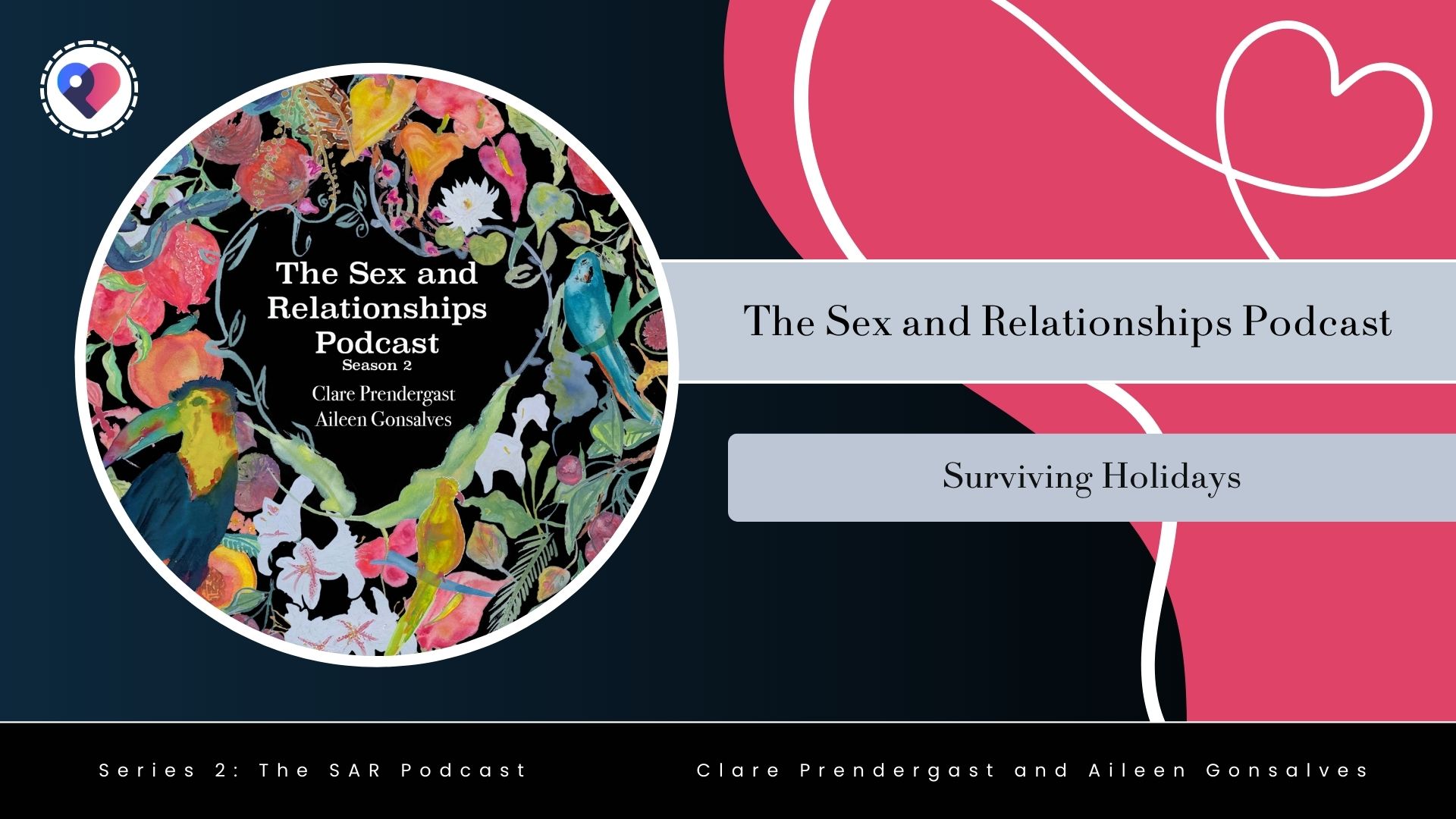
Surviving holidays
Holidays, thanksgiving, Christmas, birthdays - those special, wonderful moments we dream of. But if you’ve ever walked away from a Christmas dinner or a family holiday wondering what on earth went wrong - this podcast is for you.
by Thomas Andrew Porteus, MBCS

Podcasts
Me-topia
If you always come last on the priority list, it’s time to learn why ‘Being Selfish for the Team’ helps everyone.
by Thomas Andrew Porteus, MBCS

Podcasts
What are relationships anyway?
Relationships – what are they? We often think of relationships as intimate with a partner and yet we actually have hundreds of relationships with friends, family, at work, at play even with nature and beyond. Clare and Aileen kick off the season by discussing the breadth of relationships.
by Thomas Andrew Porteus, MBCS

Podcasts
Victims and villains
What happens when you argue with your partner? Clare and Janet explore the real reasons we fight and how to do conflict well.
by Thomas Andrew Porteus, MBCS
About the authorView full bio
Authored by

Sarah Graham
Freelance health journalist
MA, Newspaper, Journalism
Sarah Graham is an award-winning freelance health journalist, and founder of the feminist women's health blog Hysterical Women.
About the reviewerView full bio

Dr Sarah Jarvis
Clinical Consultant
MA (Cantab), BM, BCh (Oxon), DRCOG, FRCGP, MBE
After training in medicine at Cambridge and Oxford, Dr Sarah Jarvis MBE became a GP.
Article history
Article also available in English, German, Spanish, French, Italian, Portuguese, Hindi, Hebrew, Arabic, and Swedish.
26 Jan 2018 | Originally published
Authored by:
Sarah GrahamPeer reviewed by
Dr Sarah Jarvis
Share your thoughts or experiences with others in our patient communities.
Sign up to the Patient newsletter
Your weekly dose of clear, trustworthy health advice - written to help you feel informed, confident and in control.
By subscribing you accept our Privacy Policy. You can unsubscribe at any time. We never sell your data.