Eosinophil peroxidase deficiency
Last updated 18 Aug 2020
Meets Patient’s editorial guidelines
- DownloadDownload
- Share
- Language
- Discussion
- Ask Patient
- Audio Version
- Add to preferred sources on Google
Eosinophil peroxidase deficiency is a condition that affects certain white blood cells called eosinophils but causes no health problems in affected individuals. Eosinophils aid in the body's immune response. During a normal immune response, these cells are turned on (activated), and they travel to the area of injury or inflammation. The cells then release proteins and other compounds that have a toxic effect on severely damaged cells or invading organisms. One of these proteins is called eosinophil peroxidase. In eosinophil peroxidase deficiency, eosinophils have little or no eosinophil peroxidase. A lack of this protein does not seem to affect the eosinophils' ability to carry out an immune response.
Video picks for Genetic conditionsVideo library
Description
Eosinophil peroxidase deficiency is a condition that affects certain white blood cells called eosinophils but causes no health problems in affected individuals. Eosinophils aid in the body's immune response. During a normal immune response, these cells are turned on (activated), and they travel to the area of injury or inflammation. The cells then release proteins and other compounds that have a toxic effect on severely damaged cells or invading organisms. One of these proteins is called eosinophil peroxidase. In eosinophil peroxidase deficiency, eosinophils have little or no eosinophil peroxidase. A lack of this protein does not seem to affect the eosinophils' ability to carry out an immune response.
Because eosinophil peroxidase deficiency does not cause any health problems, this condition is often diagnosed when blood tests are done for other reasons or when a family member has been diagnosed with the condition.
Inheritance patterns
The source lists the following possible inheritance patterns: Autosomal recessive. More than one pattern can apply in different cases.
Related genes
Other names
EPXD
Peroxidase and phospholipid deficiency in eosinophils
Presentey anomaly
Patient picks for Genetic conditions

Chest and lungs
What is eosinophilic asthma and what makes it different?
For many people living with asthma, identifying triggers and getting the right treatment can make managing their condition easier on a day-to-day basis. But for people with eosinophilic asthma, symptoms and onset can be more unusual and harder to treat - and that in turn may make diagnosis and management more difficult.
by Dr Sarah Jarvis
Digestive health
Eosinophilic oesophagitis
The oesophagus is the gullet, or food pipe, that connects the mouth to the stomach. Inflammation of the oesophagus is known as oesophagitis. Commonly, the inflammation is caused by acid leaking up from the stomach (a condition known as acid reflux). In some people, however, it can be caused by a condition known as eosinophilic oesophagitis. In eosinophilic oesophagitis, particular types of white blood cells (called eosinophils) gather in large numbers in the lining of the oesophagus, causing inflammation. It occurs in children and in adults. The condition can be controlled by making changes to your diet and/or taking steroids. Occasionally, an operation to stretch the oesophagus through a telescope (endoscope) may be needed.
by Dr Rachel Hudson, MRCGP
Healthy living
Zinc deficiency, excess and supplementation
Zinc is needed for many of the chemical reactions which are going on inside us all the time at micro-level. We get zinc from our diets but not getting enough can cause a wide variety of symptoms, some of which are very vague.
by Dr Toni Hazell, FRCGP

Diet and nutrition
Vitamin C: benefits, sources, and deficiency
Most of us know vitamin C is good for us, but do you know all the ways that this essential nutrient benefits your health? Here you can find out how easy it is to get enough vitamin C, as well as what happens when you consume too little and too much.
by Lynn Stephen

Eye health
Colour vision deficiency
Colour vision deficiency, also called colour blindness, is when you are unable to see certain colours. The most common form of the condition is red-green colour vision deficiency.
by Dr Hayley Willacy, FRCGP
Healthy living
Vitamin A deficiency
Vitamins are a group of substances needed in small amounts by the body to maintain health. Vitamin A cannot be made by the human body and so it is an essential part of the diet. Vitamin A is important for healthy eyes, good eyesight (vision), healthy skin and to help you fight infections. Vitamin A is sometimes also called retinol. Foods that contain vitamin A include liver, milk, eggs and fish-liver oils. Another substance called beta carotene (which is found in green leafy and orange/yellow vegetables and fruits) can also be converted by your body to vitamin A. Mild forms of vitamin A deficiency can usually be treated without any long-term problems. Vitamin A deficiency is much more common in low-income countries, where it is often very severe and can cause loss of vision and even death.
by Dr Toni Hazell, FRCGP
Related patient information and medicines

Patient information leaflet
The immune system
A person with a weak immune system might have difficulty fighting off infections. If pathogens manage to get through these barriers, they encounter special white blood cells present in your bloodstream. There are different types of white cells, called neutrophils (polymorphs), lymphocytes, eosinophils, monocytes, and basophils. White blood cells.
Patient information leaflet
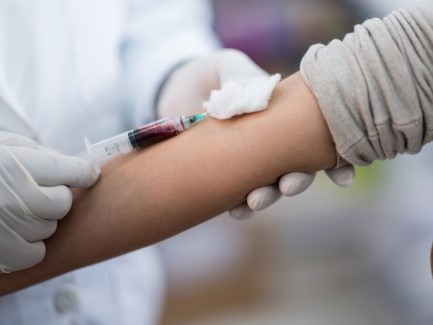
Blood tests
Millions of red blood cells a... Red cells contain a chemical called haemoglobin. This binds to oxygen and takes oxygen from the lungs to all parts of the body. White cells (leukocytes) There are different types of white cells which are called neutrophils (polymorphs), lymphocytes, eosinophils, monocytes and basophils. They are part of the immune.

Patient information leaflet
Childhood leukaemias
Childhood leukaemia It is very important to know which. This is because the outlook (prognosis) and treatments vary for th... White cells (leukocytes). There are different types of white cells, which are called neutrophils (polymorphs), lymphocytes, eosinophils, monocytes and basophils. They are part of the immune system. The cells that are made.
Patient information leaflet
Eosinophilic oesophagitis
Commonly, the inflammation is caused by acid leaking up from the stomach (a condition known as acid reflux). In some people, however, it can be caused by a condition known as eosinophilic oesophagitis. In eosinophilic oesophagitis, particular types of white blood cells (called eosinophils) gather in large numbers in the lining of the oesophagus,.

Patient information leaflet
Can I take Vitamin B complex and Vitamin C together?
Kidney stones (renal calculi) High doses of vitamin C can increase the amount of oxalate in your urine, which significantly raises the risk of developing kidney stones, especially if you have had them before. G6PD deficiency Very high doses of vitamin C can cause oxidative stress and lead to the breakdown of red blood cells (haemolysis) in.

Patient information leaflet
Can I take Vitamin B12 and Vitamin C together?
G6PD deficiency Very high doses of vitamin C can cause oxidative stress and lead to the breakdown of red blood cells (haemolysis) in individuals with G6PD deficiency. Food and drink warnings Alcohol It is bes... Our Medicines Interaction Checker helps you check whether your prescriptions, over-the-counter medicines, and supplements are safe to.
Further reading and references
- Eosinophil peroxidase deficiency; MedlinePlus, National Library of Medicine.
- Kutter D, Mueller-Hagedorn S, Forges T, Glaesener R. A case of eosinophil peroxidase deficiency. Ann Hematol. 1995 Dec;71(6):315-7. doi: 10.1007/BF01697987.
- Nakagawa T, Ikemoto T, Takeuchi T, Tanaka K, Tanigawa N, Yamamoto D, Shimizu A. Eosinophilic peroxidase deficiency: Identification of a point mutation (D648N) and prediction of structural changes. Hum Mutat. 2001 Mar;17(3):235-6. doi: 10.1002/humu.10.
- Romano M, Patriarca P, Melo C, Baralle FE, Dri P. Hereditary eosinophil peroxidase deficiency: immunochemical and spectroscopic studies and evidence for a compound heterozygosity of the defect. Proc Natl Acad Sci U S A. 1994 Dec 20;91(26):12496-500. doi: 10.1073/pnas.91.26.12496.
- Zabucchi G, Soranzo MR, Menegazzi R, Vecchio M, Knowles A, Piccinini C, Spessotto P, Patriarca P. Eosinophil peroxidase deficiency: morphological and immunocytochemical studies of the eosinophil-specific granules. Blood. 1992 Dec 1;80(11):2903-10.
Share your thoughts or experiences with others in our patient communities.
Simple access to trusted treatments and health services online.
Common conditions
Get help with common conditions through the NHS, without a GP appointment.





Sign up to the Patient newsletter
Your weekly dose of clear, trustworthy health advice - written to help you feel informed, confident and in control.
By subscribing you accept our Privacy Policy. You can unsubscribe at any time. We never sell your data.