Familial cold autoinflammatory syndrome type 2
Last updated 22 Feb 2022
Meets Patient’s editorial guidelines
- DownloadDownload
- Share
- Language
- Discussion
- Ask Patient
- Audio Version
- Add to preferred sources on Google
Familial cold autoinflammatory syndrome type 2 is a condition that causes episodes of fever, skin rash, and joint pain. These episodes can be triggered by exposure to cold temperatures, or they may arise without warning, and they can last a few hours to several days. These episodes typically begin in childhood and persist throughout life.
Video picks for Genetic conditionsVideo library
Description
Familial cold autoinflammatory syndrome type 2 is a condition that causes episodes of fever, skin rash, and joint pain. These episodes can be triggered by exposure to cold temperatures, or they may arise without warning, and they can last a few hours to several days. These episodes typically begin in childhood and persist throughout life.
Episodes typically occur after an hour or more of cold exposure in affected individuals who are sensitive to cold; however only a few minutes of cold exposure is required in some individuals.
In people with familial cold autoinflammatory syndrome type 2, the most common symptom that occurs during an episode is a fever. Other common features are an itchy rash and joint and muscle pain.
Additional features of familial cold autoinflammatory syndrome type 2 include abdominal pain, diarrhea, headache, and nausea. Some affected individuals develop hearing loss (sensorineural deafness) due to chronic inflammation.
Related genes
Other names
Familial cold-induced autoinflammatory syndrome type 2
FCAS2
Patient picks for Genetic conditions

Diabetes
Can diet drinks cause type 2 diabetes?
We're all used to the headlines about the 'global epidemic' of type 2 diabetes. We should all know that completely unlike type 1 diabetes, getting type 2 diabetes is largely about lifestyle.
by Dr Sarah Jarvis

Brain and nerves
Cervical rib
About 1 in 100 people are born with an extra rib called a cervical rib. About 1 in 10 people who have a cervical rib develop thoracic outlet syndrome. This happens if the cervical rib squashes the nerves and blood vessels going into the arm. Treatment can include painkillers, physiotherapy and sometimes surgery to relieve the compression caused by, for example, a cervical rib.
by Dr Doug McKechnie, MRCGP
Chest and lungs
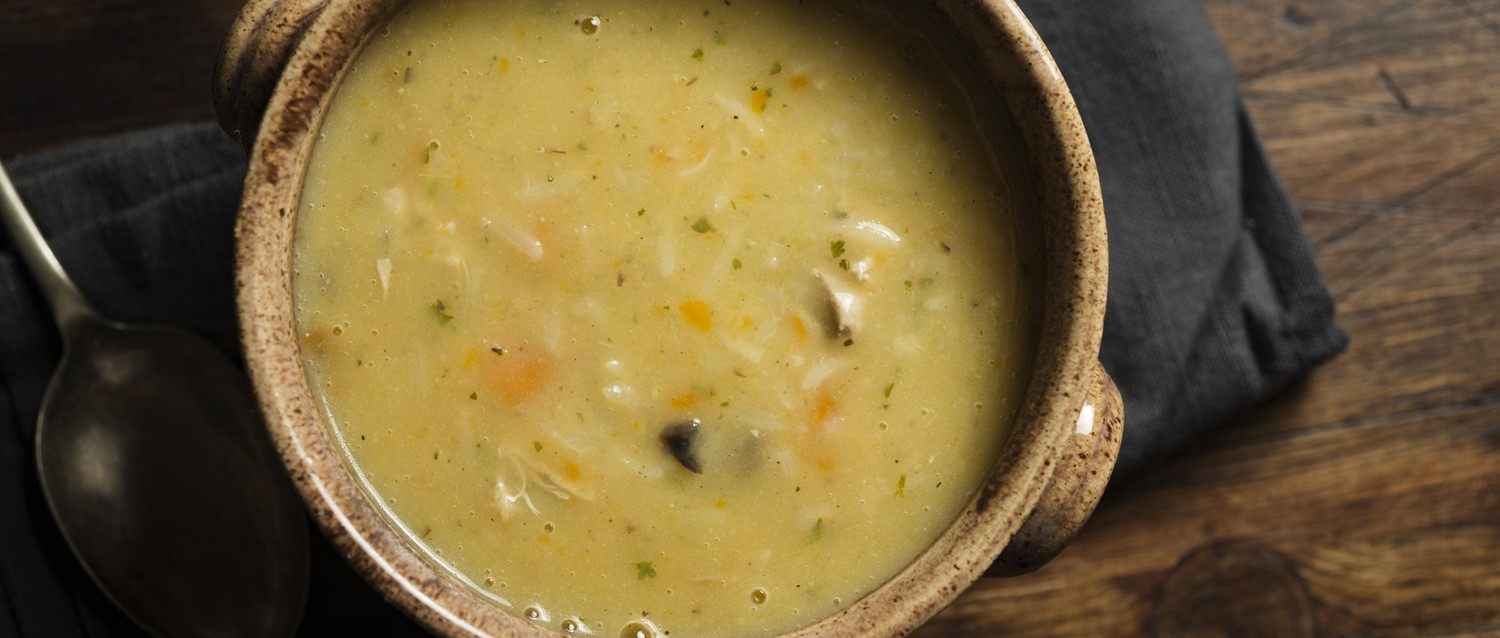
What to eat when you have a cold
At certain times of the year, it seems that every other person you see is sniffling, coughing or sneezing and that catching a cold is almost unavoidable. But is there anything that you can do to reduce the chances of catching a cold, or to help treat it if you catch one? We take a look at the foods that might help.
by Rose Constantine Smith, ANutr

Oral and dental care
Surprising facts everyone should know about cold sores
Lots of us are affected by cold sores, yet misconceptions about them are widespread. We separate fact from fiction and look at how to manage the symptoms, dispelling misunderstandings about this common virus.
by Amberley Davis

Infections
Can zinc lozenges protect against coughs, colds, flu, and COVID-19?
Zinc helps our immune systems to fight upper respiratory tract infections (URTIs) such as coughs, colds, and flus including COVID-19. In light of the COVID-19 pandemic, new research suggests that taking zinc lozenges or supplements may help both to prevent and to reduce the length of these illnesses.
by Amberley Davis

Bones, joints and muscles
Shin splints
The term 'shin splints' refers to pain pain in the lower leg, specifically along the front of the leg between the knee and the ankle - the area known as the shin. The exact cause of shin splints is not certain but they tend to be as a result of overuse and typically occur in runners. Rest is the most important treatment. Shock-absorbent insoles in your training shoes, graduated running programmes and regularly replacing your training footwear may help in prevention.
by Dr Doug McKechnie, MRCGP
Related patient information and medicines
Patient information leaflet
Cold sores
What are cold sores? | Patient Explainers About 1 in 5 people in the UK have recurring cold sores. Find out more: [https://patient.info/health/viral-skin-infections-leaflet/cold-sores](https://patient.info/health/viral-skin-infections-leaflet/cold-sores) Follow Patient: Website: [https://patient.info/](https://patient.info/) Facebook:.

Patient information leaflet
Sjögren's syndrome
Sjögren's syndrome is an autoimmune disease that causes the glands that produce tears and saliva to stop working. It is a life-long condition but treatments can help control symptoms such as dry eyes and dry mouth. Sjögren's syndrome is an autoimmune disease. It is caused by the ... Sjögren’s syndrome isn’t directly inherited, but genetics can.
Patient information leaflet
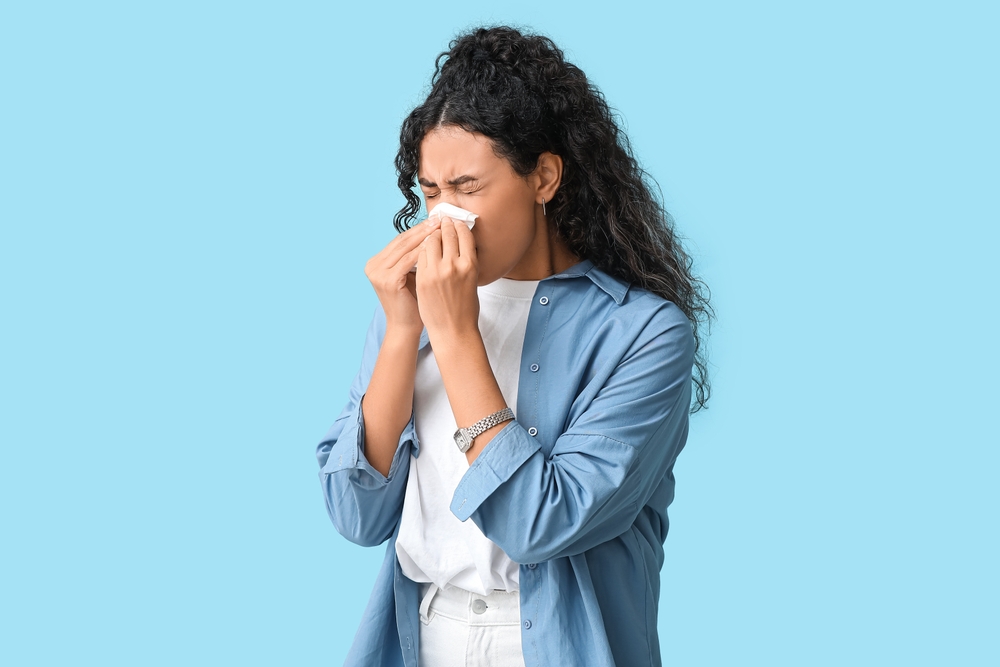
Common cold
The common cold is a viral infection that causes symptoms such as a runny or blocked nose, sneezing, sore throat, cough, and feeling generally unwell. What is a cold? | Patient Explainers The common cold and most upper respiratory infections are caused by infection with germs (viral infections). .../patient/) Instagram:.

Patient information leaflet
Ehlers-Danlos syndrome
The Ehlers-Danlos syndromes (EDS) are a group of conditions that affect the stretchiness and strength of supporting tissues in the body, including skin, joints, blood vessels and internal organs. What are the Ehlers-Danlos syndromes. The Ehlers Danlos syndromes (EDS) are a group of conditions which are usually (although not always) inherited from.
Patient information leaflet
Cervical rib
About 1 in 100 people are born with an extra rib called a cervical rib. About 1 in 10 people who have a cervical rib develop thoracic outlet syndrome. NSAIDs. Medicines such as non-steroidal anti-inflammatory drugs (NSAIDs) Anti-inflammatory tablets - for example, ibuprofen Ibuprofen for pain and inflammation - may be helpful in relieving pain in.

Patient information leaflet
Guillain-Barré syndrome
What is Guillain-Barré syndrome. Guillain-Barré syndrome (GBS) is a disease that affects nerves throughout the body and limbs. It is usually triggered by an infection. It is named after Dr Guillain and Dr Barré... GBS has also been reported after certain vaccinations, but this is very rare and much less common than GBS developing after an.
Further reading and references
- Familial cold autoinflammatory syndrome type 2; MedlinePlus, National Library of Medicine.
- Ayla AY, Eren H, Zare J, Calhan SS, Karacan I, Seven M, Ugurlu S. A rare case of an NLRP12-associated autoinflammatory disease. Eur J Med Genet. 2021 Apr;64(4):104168. doi: 10.1016/j.ejmg.2021.104168. Epub 2021 Mar 3.
- Del Porto F, Cifani N, Proietta M, Verrecchia E, Di Rosa R, Manna R, Chiurazzi P. NLRP12 gene mutations and auto-inflammatory diseases: ever-changing evidence. Rheumatology (Oxford). 2020 Nov 1;59(11):3129-3136. doi: 10.1093/rheumatology/keaa304.
- Jeru I, Duquesnoy P, Fernandes-Alnemri T, Cochet E, Yu JW, Lackmy-Port-Lis M, Grimprel E, Landman-Parker J, Hentgen V, Marlin S, McElreavey K, Sarkisian T, Grateau G, Alnemri ES, Amselem S. Mutations in NALP12 cause hereditary periodic fever syndromes. Proc Natl Acad Sci U S A. 2008 Feb 5;105(5):1614-9. doi: 10.1073/pnas.0708616105. Epub 2008 Jan 29.
- Wang W, Zhou Y, Zhong LQ, Li Z, Jian S, Tang XY, Song HM. The clinical phenotype and genotype of NLRP12-autoinflammatory disease: a Chinese case series with literature review. World J Pediatr. 2020 Oct;16(5):514-519. doi: 10.1007/s12519-019-00294-8. Epub 2019 Dec 9.
Share your thoughts or experiences with others in our patient communities.
Simple access to trusted treatments and health services online.
Common conditions
Get help with common conditions through the NHS, without a GP appointment.





Sign up to the Patient newsletter
Your weekly dose of clear, trustworthy health advice - written to help you feel informed, confident and in control.
By subscribing you accept our Privacy Policy. You can unsubscribe at any time. We never sell your data.