Idiopathic inflammatory myopathy
Last updated 22 Dec 2025
Meets Patient’s editorial guidelines
- DownloadDownload
- Share
- Language
- Discussion
- Ask Patient
- Audio Version
- Add to preferred sources on Google
Idiopathic inflammatory myopathy is a group of disorders characterised by inflammation of the muscles used for movement (skeletal muscles). Idiopathic inflammatory myopathy usually appears in adults between ages 40 and 60 or in children between ages 5 and 15, though it can occur at any age.
Video picks for Genetic conditionsVideo library
Description
Idiopathic inflammatory myopathy is a group of disorders characterised by inflammation of the muscles used for movement (skeletal muscles). Idiopathic inflammatory myopathy usually appears in adults between ages 40 and 60 or in children between ages 5 and 15, though it can occur at any age.
The primary symptom of idiopathic inflammatory myopathy is muscle weakness, which develops gradually over a period of weeks to months or even years. Other symptoms include joint pain and general tiredness (fatigue).
There are several forms of idiopathic inflammatory myopathy, including polymyositis, dermatomyositis, and sporadic inclusion body myositis.
Polymyositis and dermatomyositis involve weakness of the muscles closest to the center of the body (proximal muscles), such as the muscles of the hips and thighs, upper arms, and neck. People with these forms of idiopathic inflammatory myopathy may find it difficult to climb stairs, get up from a seated position, or lift items above their head. In some cases, muscle weakness may make swallowing or breathing difficult.
Polymyositis and dermatomyositis have similar symptoms, but dermatomyositis is distinguished by a reddish or purplish rash on the eyelids, elbows, knees, or knuckles. Sometimes, abnormal calcium deposits form hard, painful bumps under the skin (calcinosis).
In sporadic inclusion body myositis, the muscles most affected are those of the wrists and fingers and the front of the thigh. Affected individuals may frequently stumble while walking and find it difficult to grasp items. As in dermatomyositis and polymyositis, swallowing can be difficult.
Inheritance patterns
The source lists the following possible inheritance patterns: Pattern unknown. More than one pattern can apply in different cases.
Related genes
Other names
Idiopathic inflammatory myopathies
Idiopathic inflammatory myositis
Inflammatory myopathy, idiopathic
Patient picks for Genetic conditions
Women's health
What it’s like to have pelvic inflammatory disease
Pelvic inflammatory disease (PID), an infection of a woman's reproductive organs affecting the womb, Fallopian tubes and ovaries, is a devastating condition that can cause chronic pain and infertility. The common condition predominantly affects women who are sexually active between the ages of 15 and 24.
by Karen Gordon
Sexual health
Pelvic inflammatory disease
Pelvic inflammatory disease (PID) is an internal infection which has usually passed into the womb (uterus) and its surrounding organs from the vagina or neck of the womb (cervix). It may also affect the lower abdominal area (pelvis) around these organs. It is important to treat it with antibiotics to prevent complications. In most cases the infection is passed on through sex (a sexually transmitted infection - STI).
by Dr Philippa Vincent, MRCGP
Children's health
Juvenile idiopathic arthritis
Juvenile idiopathic arthritis is a condition in which persisting joint inflammation first occurs in children under the age of 16 years. Affected joints become painful and swollen, and can become damaged. Juvenile idiopathic arthritis cannot generally be cured but there are effective treatments. These help symptoms, prevent any long-standing joint problems, and can lead to remission.
by Dr Doug McKechnie, MRCGP
Diet and nutrition
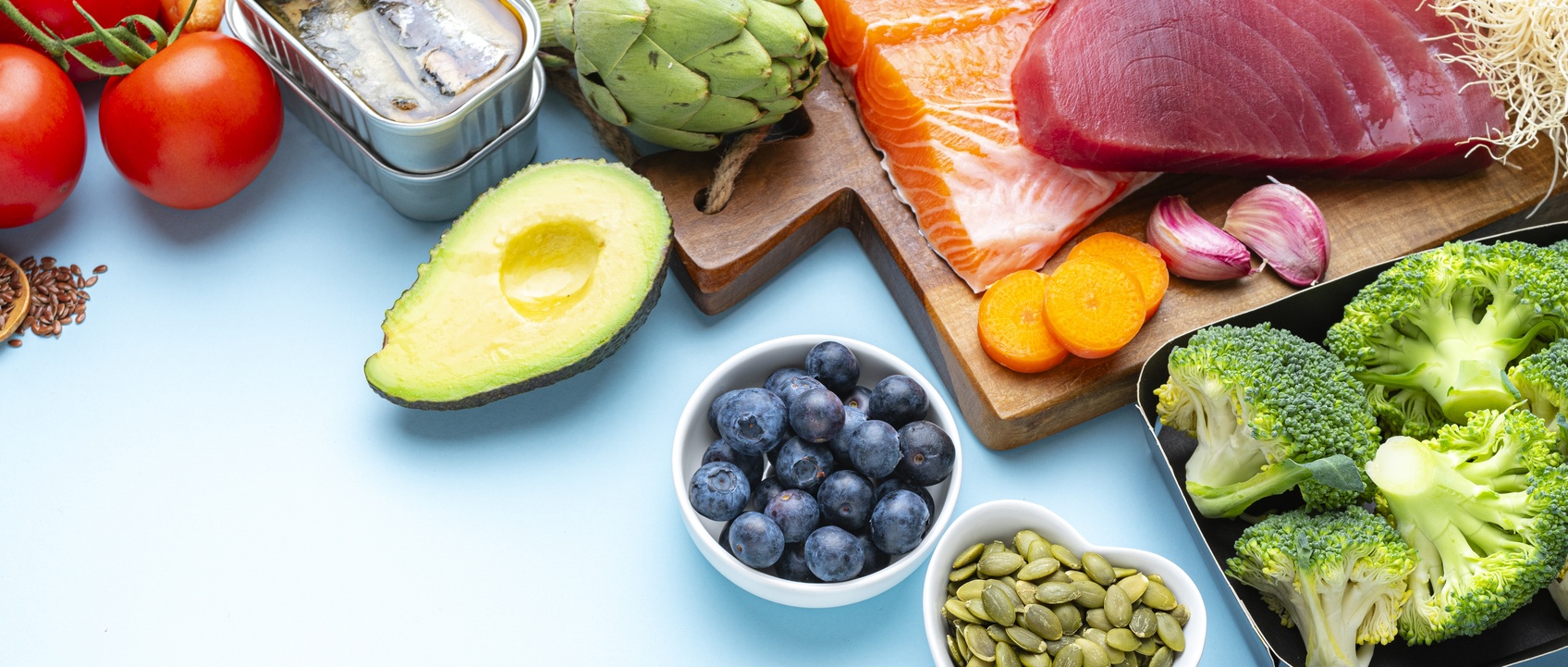
What is the anti-inflammatory diet?
Typical western diets are thought to increase inflammation - where your immune system reacts and causes internal swelling throughout your body. As long-term inflammation can become harmful, anti-inflammatory diets are thought to protect us from a wide range of health problems.
by Victoria Raw
Digestive health
Inflammatory bowel disease
Inflammatory Bowel Disease (IBD) is a term used to describe people who either have either of the two main types of IBD (Crohn's disease and ulcerative colitis). Both these conditions can cause inflammation of the colon and rectum (large bowel or large intestine) with similar symptoms, such as bloody diarrhoea, tummy (abdominal) pain, weight loss and poor appetite.
by Dr Colin Tidy, MRCGP
Treatment and medication
Anti-inflammatory tablets
Anti-inflammatory tablets are used to treat arthritis, sprains, painful periods and other painful conditions. Most people have no trouble taking these tablets. However, some people develop side-effects which can sometimes be serious. In particular - if you have any cardiovascular (heart, stroke or blood vessel) condition or certain gut conditions, or are elderly, these medicines are prescribed with caution and only where there are no alternatives and at the lowest doses and durations necessary.
by Dr Toni Hazell, FRCGP
Related patient information and medicines

Patient information leaflet
Uveitis
Uveitis is a general term describing inflammation of the part of the eye called the uveal tract. This is known as idiopathic uveitis. ... Autoimmune and inflammatory diseases Our immune system normally makes small proteins (antibodies) to attack bacteria, viruses and other 'germs'Autoimmune diseases that are associated with uveitis include.

Patient information leaflet
Erythema nodosum
Erythema nodosum is a condition that causes red rounded lumps (nodules) to form just below the skin surface, most commonly on the shins. In most people, no specific cause or trigger can be found. But in some people a trigger (commonly a streptococ... In over half of people who develop erythema nodosum, no cause for the inflammation is found..
Patient information leaflet
Pericarditis
Pericarditis is inflammation of the pericardium, which is the sac which surrounds and helps to protect the heart. Inflammatory diseases which can affect various parts of the body may include inflammation of the pericardium - for example, rheumatoid arthritis Rheumatoid arthritis , scleroderma Systemic sclerosis , polyarteritis nodosa and systemic.

Patient information leaflet
Olecranon bursitis
Olecranon bursitis is a condition where there is inflammation and soft swelling at the back of your elbow. The olecranon is the bony tip of your elbow. The swelling is soft rather than hard when y... A bursitis associated with another condition such as arthritis Rheumatoid arthritis may not be painful itself but you will have other symptoms.
Patient information leaflet
Can I take Amlodipine and Simvastatin together?
Taking these two medicines together can increase the amount of simvastatin in your blood. This makes you more likely to experience side effects, particularly muscle pain, tenderness, or weakness (a condition called myopathy). In rare cases, this can lead to a serious condition called rhabdomyolysis, which can cause kidney damage. Why this happens.

Patient information leaflet
Can I take Simvastatin and Vitamin B12 together?
Why this happens Simvasta... Muscle problems (Myopathy/Rhabdomyolysis) Contact your doctor immediately if you experience unexplained muscle pain, tenderness, or weakness. Grapefruit contains compounds that increase the level of simvastatin in your blood, which significantly increases your risk of serious side effects, such as muscle damage.
Further reading and references
- Idiopathic inflammatory myopathy; MedlinePlus, National Library of Medicine.
- Chinoy H, Lamb JA, Ollier WE, Cooper RG. An update on the immunogenetics of idiopathic inflammatory myopathies: major histocompatibility complex and beyond. Curr Opin Rheumatol. 2009 Nov;21(6):588-93. doi: 10.1097/BOR.0b013e3283315a22.
- Chinoy H, Platt H, Lamb JA, Betteridge Z, Gunawardena H, Fertig N, Varsani H, Davidson J, Oddis CV, McHugh NJ, Wedderburn LR, Ollier WE, Cooper RG; UK Adult Onset Myositis Immunogenetic Collaboration and the Juvenile Dermatomyositis Research Group. The protein tyrosine phosphatase N22 gene is associated with juvenile and adult idiopathic inflammatory myopathy independent of the HLA 8.1 haplotype in British Caucasian patients. Arthritis Rheum. 2008 Oct;58(10):3247-54. doi: 10.1002/art.23900.
- Cox S, Limaye V, Hill C, Blumbergs P, Roberts-Thomson P. Idiopathic inflammatory myopathies: diagnostic criteria, classification and epidemiological features. Int J Rheum Dis. 2010 May;13(2):117-24. doi: 10.1111/j.1756-185X.2010.01472.x.
- O'Hanlon TP, Carrick DM, Arnett FC, Reveille JD, Carrington M, Gao X, Oddis CV, Morel PA, Malley JD, Malley K, Dreyfuss J, Shamim EA, Rider LG, Chanock SJ, Foster CB, Bunch T, Plotz PH, Love LA, Miller FW. Immunogenetic risk and protective factors for the idiopathic inflammatory myopathies: distinct HLA-A, -B, -Cw, -DRB1 and -DQA1 allelic profiles and motifs define clinicopathologic groups in caucasians. Medicine (Baltimore). 2005 Nov;84(6):338-349. doi: 10.1097/01.md.0000189818.63141.8c.
- Rider LG, Miller FW. Deciphering the clinical presentations, pathogenesis, and treatment of the idiopathic inflammatory myopathies. JAMA. 2011 Jan 12;305(2):183-90. doi: 10.1001/jama.2010.1977.
- Shamim EA, Miller FW. Familial autoimmunity and the idiopathic inflammatory myopathies. Curr Rheumatol Rep. 2000 Jun;2(3):201-11. doi: 10.1007/s11926-000-0080-0.
- Shamim EA, Rider LG, Miller FW. Update on the genetics of the idiopathic inflammatory myopathies. Curr Opin Rheumatol. 2000 Nov;12(6):482-91. doi: 10.1097/00002281-200011000-00002.
Share your thoughts or experiences with others in our patient communities.
Simple access to trusted treatments and health services online.
Common conditions
Get help with common conditions through the NHS, without a GP appointment.





Sign up to the Patient newsletter
Your weekly dose of clear, trustworthy health advice - written to help you feel informed, confident and in control.
By subscribing you accept our Privacy Policy. You can unsubscribe at any time. We never sell your data.