Malonyl-CoA decarboxylase deficiency
Last updated 25 Jul 2023
Meets Patient’s editorial guidelines
- DownloadDownload
- Share
- Language
- Discussion
- Ask Patient
- Audio Version
- Add to preferred sources on Google
Malonyl-CoA decarboxylase deficiency is a condition that prevents the body from converting certain fats to energy. The signs and symptoms of this disorder typically appear in early childhood. Almost all affected children have delayed development. Additional signs and symptoms can include weak muscle tone (hypotonia), seizures, diarrhea, vomiting, and low blood sugar (hypoglycemia). A heart condition called cardiomyopathy, which weakens and enlarges the heart muscle, is another common feature of malonyl-CoA decarboxylase deficiency.
Video picks for Genetic conditionsVideo library
Description
Malonyl-CoA decarboxylase deficiency is a condition that prevents the body from converting certain fats to energy. The signs and symptoms of this disorder typically appear in early childhood. Almost all affected children have delayed development. Additional signs and symptoms can include weak muscle tone (hypotonia), seizures, diarrhea, vomiting, and low blood sugar (hypoglycemia). A heart condition called cardiomyopathy, which weakens and enlarges the heart muscle, is another common feature of malonyl-CoA decarboxylase deficiency.
Inheritance patterns
The source lists the following possible inheritance patterns: Autosomal recessive. More than one pattern can apply in different cases.
Related genes
Other names
Deficiency of malonyl-CoA decarboxylase
Malonic aciduria
Malonyl-coenzyme A decarboxylase deficiency
MCD deficiency
Patient picks for Genetic conditions
Heart health and blood vessels
Coarctation of the aorta
Coarctation of the aorta is a type of congenital heart disease where there is a narrowing in part of the aorta, the main artery that leaves the left side of the heart.
by Dr Toni Hazell, FRCGP
Diet and nutrition
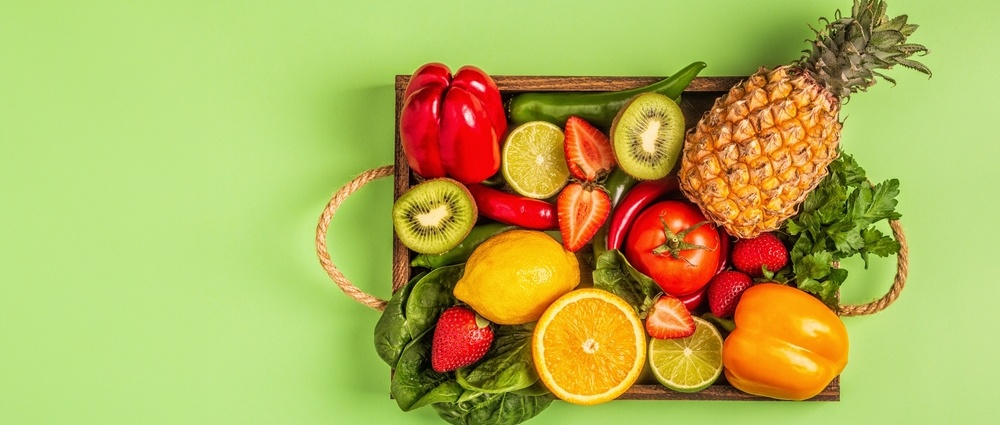
Vitamin C: benefits, sources, and deficiency
Most of us know vitamin C is good for us, but do you know all the ways that this essential nutrient benefits your health? Here you can find out how easy it is to get enough vitamin C, as well as what happens when you consume too little and too much.
by Lynn Stephen
Healthy living
Vitamin A deficiency
Vitamins are a group of substances needed in small amounts by the body to maintain health. Vitamin A cannot be made by the human body and so it is an essential part of the diet. Vitamin A is important for healthy eyes, good eyesight (vision), healthy skin and to help you fight infections. Vitamin A is sometimes also called retinol. Foods that contain vitamin A include liver, milk, eggs and fish-liver oils. Another substance called beta carotene (which is found in green leafy and orange/yellow vegetables and fruits) can also be converted by your body to vitamin A. Mild forms of vitamin A deficiency can usually be treated without any long-term problems. Vitamin A deficiency is much more common in low-income countries, where it is often very severe and can cause loss of vision and even death.
by Dr Toni Hazell, FRCGP
Healthy living
Vitamin C deficiency
Vitamin C cannot be made by the human body and so is an essential component of the diet. It is needed for the health and repair of various tissues in the body, including skin, bone, teeth and cartilage. Persistent lack of dietary vitamin C in can lead to a condition called scurvy. Symptoms of scurvy include easy bruising, easy bleeding and joint and muscle pains. Vitamin C deficiency can be treated with supplements of vitamin C and a diet rich in vitamin C.
by Dr Philippa Vincent, MRCGP

Bones, joints and muscles
Vitamin D deficiency
Vitamin D deficiency happens when your body does not have enough vitamin D. This is a nutrient that helps keep bones, teeth, and muscles healthy. Vitamin D deficiency is common, especially in people who get little sunlight or have low vitamin D intake from their diet.
by Dr Hayley Willacy, FRCGP

Eye health
Colour vision deficiency
Colour vision deficiency, also called colour blindness, is when you are unable to see certain colours. The most common form of the condition is red-green colour vision deficiency.
by Dr Hayley Willacy, FRCGP
Related patient information and medicines
Patient information leaflet
Coarctation of the aorta
Coarctation of the aorta is a type of congenital heart disease where there is a narrowing in part of the aorta, the main artery that leaves the left side of the heart. Normal heart detail Cross-section diagram of a normal heart PatientPicksPlaceholder Heart - lung circulation heart - lung circulation What is coarctation of the aorta. In.

Patient information leaflet
Gastrointestinal malabsorption
Gastrointestinal malabsorption syndrome means a failure to fully absorb digested foods from the gut (bowel) into your body. There are many different causes. Prolonged intestinal malabsorption may cause problems because of a lack of carbohydrates, proteins, fats, minerals and vitamins that are essential to keep you healthy. The treatment will.

Patient information leaflet
Anaemia
Anaemia means that you have fewer red blood cells than normal or you have less haemoglobin than normal in each red blood cell. In either case, a reduced amount of oxygen is carried around in the bloodstream. Anaemia types and causes Iron-deficiency anaemia Lack of iron is the most common type of anaemia in the UK. This is called iron-deficiency.
Patient information leaflet
Can I take Vitamin B2 and Vitamin C together?
Combining alcohol with any medicine also increases the risk of liver ... Using other medicines Taking multiple medicines. Our Medicines Interaction Checker helps you check whether your prescriptions, over-the-counter medicines, and supplements are safe to take together. Simply search for your medicines to see potential interactions and what to do.

Patient information leaflet
Can I take Vitamin B complex and Vitamin C together?
It is best to take your vitamins with water rather than tea or coffee. Using other medicines Taking multiple medicines. Our Medicines Interaction Checker helps you check whether your prescriptions, over-the-counter medicines, and supplements are safe to take together. Simply search for your medicines to see potential interactions and what to do.

Patient information leaflet
Can I take Hydroxocobalamin and Stexerol D3 together?
It is safe to take these two medications together. Why this happens Hydroxocobalamin is a form of Vitamin B12, and Stexerol-D3 is a brand of Vitamin D3 (cholecalciferol). These vitamins are processed by different pathways in the body and do not interfere with each other's absorption, metabolism, or effectiveness. Our Medicines Interaction Checker.
Further reading and references
- Malonyl-CoA decarboxylase deficiency; MedlinePlus, National Library of Medicine.
- Chapel-Crespo C, Gavrilov D, Sowa M, Myers J, Day-Salvatore DL, Lynn H, Regier D, Starin D, Steenari M, Schoonderwoerd K, Abdenur JE. Clinical, biochemical and molecular characteristics of malonyl-CoA decarboxylase deficiency and long-term follow-up of nine patients. Mol Genet Metab. 2019 Sep-Oct;128(1-2):113-121. doi: 10.1016/j.ymgme.2019.07.015. Epub 2019 Jul 29. No abstract available.
- Kasapkara CS, Civelek Urey B, Ceylan AC, Unal Uzun O, Cetin II. Malonyl coenzyme A decarboxylase deficiency with a novel mutation. Cardiol Young. 2021 Sep;31(9):1535-1537. doi: 10.1017/S104795112100113X. Epub 2021 Mar 22.
- Salomons GS, Jakobs C, Pope LL, Errami A, Potter M, Nowaczyk M, Olpin S, Manning N, Raiman JA, Slade T, Champion MP, Peck D, Gavrilov D, Hillman R, Hoganson GE, Donaldson K, Shield JP, Ketteridge D, Wasserstein M, Gibson KM. Clinical, enzymatic and molecular characterization of nine new patients with malonyl-coenzyme A decarboxylase deficiency. J Inherit Metab Dis. 2007 Feb;30(1):23-8. doi: 10.1007/s10545-006-0514-6. Epub 2006 Dec 20.
- Zhang JM, Hao LL, Qiu WJ, Zhang HW, Chen T, Ji WJ, Zhang Y, Liu F, Gu XF, Yang SH, Han LS. Clinical, biochemical and genetic characteristics and long-term follow-up of five patients with malonyl-CoA decarboxylase deficiency. Brain Dev. 2024 Oct;46(9):286-293. doi: 10.1016/j.braindev.2024.07.001. Epub 2024 Jul 27.
- Zhao C, Peng H, Jiang N, Liu Y, Chen Y, Liu J, Guo Q, Wu Z, Wang L. A case of malonyl coenzyme A decarboxylase deficiency with novel mutations and literature review. Front Pediatr. 2023 Apr 17;11:1133134. doi: 10.3389/fped.2023.1133134. eCollection 2023.
Share your thoughts or experiences with others in our patient communities.
Simple access to trusted treatments and health services online.
Common conditions
Get help with common conditions through the NHS, without a GP appointment.





Sign up to the Patient newsletter
Your weekly dose of clear, trustworthy health advice - written to help you feel informed, confident and in control.
By subscribing you accept our Privacy Policy. You can unsubscribe at any time. We never sell your data.