Pseudohypoaldosteronism type 1
Last updated 21 Aug 2023
Meets Patient’s editorial guidelines
- DownloadDownload
- Share
- Language
- Discussion
- Ask Patient
- Audio Version
- Add to preferred sources on Google
Pseudohypoaldosteronism type 1 (PHA1) is a condition characterised by problems regulating the amount of sodium in the body. Sodium regulation, which is important for blood pressure and fluid balance, primarily occurs in the kidneys. However, sodium can also be removed from the body through other tissues, such as the sweat glands and colon. Pseudohypoaldosteronism type 1 is named for its characteristic signs and symptoms, which mimic (pseudo) low levels (hypo) of a hormone called aldosterone that helps regulate sodium levels. However, people with PHA1 have high levels of aldosterone.
Video picks for Genetic conditionsVideo library
Description
Pseudohypoaldosteronism type 1 (PHA1) is a condition characterised by problems regulating the amount of sodium in the body. Sodium regulation, which is important for blood pressure and fluid balance, primarily occurs in the kidneys. However, sodium can also be removed from the body through other tissues, such as the sweat glands and colon. Pseudohypoaldosteronism type 1 is named for its characteristic signs and symptoms, which mimic (pseudo) low levels (hypo) of a hormone called aldosterone that helps regulate sodium levels. However, people with PHA1 have high levels of aldosterone.
There are two types of PHA1 distinguished by their severity, the genes involved, and how they are inherited. One type, called autosomal dominant PHA1 (also known as renal PHA1) is characterised by excessive sodium loss from the kidneys. This form of the condition is relatively mild and often improves in early childhood. The other type, called autosomal recessive PHA1 (also known as generalized or systemic PHA1) is characterised by sodium loss from the kidneys and other organs, including the sweat glands, salivary glands, and colon. This type of PHA1 is more severe and does not improve with age.
The earliest signs of both types of PHA1 are usually the inability to gain weight and grow at the expected rate (failure to thrive) and dehydration, which are typically seen in infants. The characteristic features of both types of PHA1 are excessive amounts of sodium released in the urine (salt wasting), which leads to low levels of sodium in the blood (hyponatremia), and high levels of potassium in the blood (hyperkalemia). Infants with PHA1 can also have high levels of acid in the blood (metabolic acidosis). Hyponatremia, hyperkalemia, or metabolic acidosis can cause nonspecific symptoms such as nausea, vomiting, extreme tiredness (fatigue), and muscle weakness in infants with PHA1.
Infants with autosomal recessive PHA1 can have additional signs and symptoms due to the involvement of multiple organs. Affected individuals may experience episodes of abnormal heartbeat (cardiac arrhythmia) or shock because of the imbalance of salts in the body. They may also have recurrent lung infections or lesions on the skin. Although adults with autosomal recessive PHA1 can have repeated episodes of salt wasting, they do not usually have other signs and symptoms of the condition.
Inheritance patterns
The source lists the following possible inheritance patterns: Autosomal dominant; Autosomal recessive. More than one pattern can apply in different cases.
Related genes
Other names
PHA1
Pseudohypoaldosteronism type I
Patient picks for Genetic conditions
Mental health
Types of eating disorders
In recent years, it's become clear that there are many people with different types of eating disorders who don't fit the classic profile of someone with anorexia or bulimia.
by Dr Hayley Willacy, FRCGP
Diabetes
MHRA approves teplizumab to delay progression of type 1 diabetes
Teplizumab (Tzield) has been approved by the Medicines and Healthcare products Regulatory Agency (MHRA) to help delay the onset of Stage 3 type 1 diabetes (T1D). Read on to see what this means if you are prescribed teplizumab and what it does for you.
by Lawrence Higgins

Diabetes
Type 1 diabetes
Type 1 diabetes is the type of diabetes that typically develops in children and in young adults. In type 1 diabetes the body stops making insulin and the blood sugar (glucose) level goes very high. Treatment to control the blood glucose level is with insulin injections and a healthy diet. Other treatments aim to reduce the risk of complications. They include reducing blood pressure if it is high and advice to lead a healthy lifestyle.
by Dr Colin Tidy, MRCGP

Diabetes
Continuous glucose monitoring in type 1 diabetes
Type 1 and type 2 diabetes are both potentially serious conditions which should always be taken seriously. They’re both diagnosed on the basis of high blood sugar. But in other respects they are very, very different. Type 2 is largely down to lifestyle – getting type 1 is absolutely nothing to do with whether you eat too much sugar, carry excess weight or don’t exercise enough. People with type 2 diabetes often never need insulin – those with type 1 need it from day one. Many people with type 2 diabetes never need treatment that carries a risk of disabling low blood sugar (hypoglycaemia) – people with type 1 live with this risk every day. As a result, many people with type 2 never need to check their blood sugar several times a day – for people with type 1, it’s a highly unwelcome occupational hazard.
by Dr Sarah Jarvis

Diabetes
Type 2 diabetes
Type 2 diabetes can occur at any age, including during childhood, but it occurs mainly in people aged over 40. The first-line treatment is diet, weight control and physical activity. The good news is that many people can stay well using these lifestyle measures. However if the blood sugar (glucose) level remains high then tablets to reduce the blood glucose level are usually advised. Insulin injections are needed in some cases. Other treatments include reducing blood pressure if it is high, lowering high cholesterol levels, and also other measures to reduce the risk of complications.
by Dr Colin Tidy, MRCGP

Diabetes
Slowdown in type 2 diabetes cases
Some countries have seen a fall in new cases of type 2 diabetes according to a new review of the current evidence.
by Milly Evans
Related patient information and medicines

Patient information leaflet
Drug allergy
Medicines can cause allergic reactions. In this leaflet these reactions are called 'drug allergies'. In this instance the drugs referred to are medicines people take for their health. For example, antibiotics or anti-inflammatory painkillers rather than drugs of addiction. Allergic reactions can happen with prescribed medicines as well as those.

Patient information leaflet
Mouth cancer
Mouth cancer is also. Worldwide it is the sixth most common cancer. Although mouth cancer is uncommon in the UK, it seems to be getting much more common: the number of cases doubled in the 20 years from 1994 to 2014. There are around 7,500 cases diagnosed each year in the UK. It is twice as common in men as it is in women. It is rare in people.

Patient information leaflet
Immunisation for flu
If 10 people have the flu jab, it usually provides protection from flu for 7 or 8 of them. If the vaccine does not match the predicted flu types around that year, the protection rate can be lower. For example, in 2025-2026 the predictions by the scientists were less good than usual and the vaccine only protected between 2 and 3.4 in 10 adults and.

Patient information leaflet
Insulin
Insulin is a hormone made naturally in the body by the pancreas. This hormone controls the level of sugar (glucose) in the blood. There are two different types of diabetes: Type 1 diabetes Type 1 diabetes is the type of diabetes that typically develops in children and young adults Type 1 diabetes. Wha... Hypoglycaemia, which is often called a.
Patient information leaflet
Porphyria
The porphyrias are a group of disorders in which there is a problem with the production of haem (also spelled heme) within the body. Haem is used to make haemoglobin in red blood cells. There are seven different types of porphyria and in most cases they run in families (are inherited). It is important that the type of porphyria that you have.
Patient information leaflet
Mouth ulcers
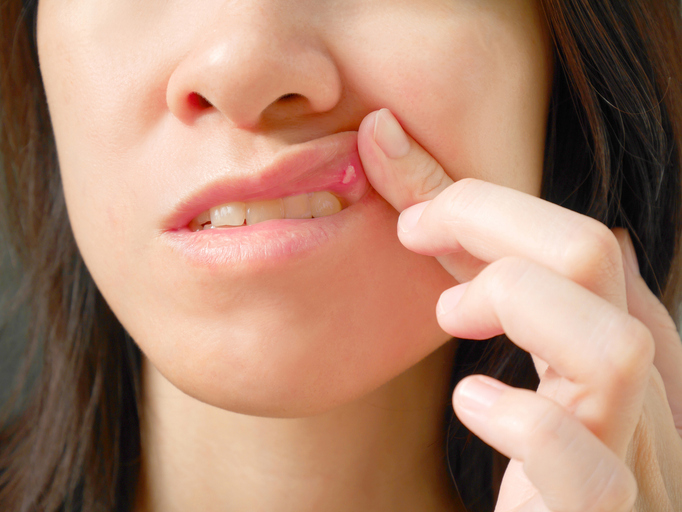
A pharmacist can give you over-the-counter remedies such soothing gel, antimicrobial mouthwash, and corticosteroid... What are mouth ulcers. Mouth ulcers are painful sores that can occur anywhere inside the mouth. This leaflet is about the most common type of mouth ulcers, which are aphthous mouth ulcers. At least 1 in 4 people develop aphthous.
Further reading and references
- Pseudohypoaldosteronism type 1; MedlinePlus, National Library of Medicine.
- Chang SS, Grunder S, Hanukoglu A, Rosler A, Mathew PM, Hanukoglu I, Schild L, Lu Y, Shimkets RA, Nelson-Williams C, Rossier BC, Lifton RP. Mutations in subunits of the epithelial sodium channel cause salt wasting with hyperkalaemic acidosis, pseudohypoaldosteronism type 1. Nat Genet. 1996 Mar;12(3):248-53. doi: 10.1038/ng0396-248.
- Chen SY, Bhargava A, Mastroberardino L, Meijer OC, Wang J, Buse P, Firestone GL, Verrey F, Pearce D. Epithelial sodium channel regulated by aldosterone-induced protein sgk. Proc Natl Acad Sci U S A. 1999 Mar 2;96(5):2514-9. doi: 10.1073/pnas.96.5.2514.
- Kolla V, Litwack G. Transcriptional regulation of the human Na/K ATPase via the human mineralocorticoid receptor. Mol Cell Biochem. 2000 Jan;204(1-2):35-40. doi: 10.1023/a:1007009700377.
- Masilamani S, Kim GH, Mitchell C, Wade JB, Knepper MA. Aldosterone-mediated regulation of ENaC alpha, beta, and gamma subunit proteins in rat kidney. J Clin Invest. 1999 Oct;104(7):R19-23. doi: 10.1172/JCI7840.
- Pujo L, Fagart J, Gary F, Papadimitriou DT, Claes A, Jeunemaitre X, Zennaro MC. Mineralocorticoid receptor mutations are the principal cause of renal type 1 pseudohypoaldosteronism. Hum Mutat. 2007 Jan;28(1):33-40. doi: 10.1002/humu.20371.
- Riepe FG, Finkeldei J, de Sanctis L, Einaudi S, Testa A, Karges B, Peter M, Viemann M, Grotzinger J, Sippell WG, Fejes-Toth G, Krone N. Elucidating the underlying molecular pathogenesis of NR3C2 mutants causing autosomal dominant pseudohypoaldosteronism type 1. J Clin Endocrinol Metab. 2006 Nov;91(11):4552-61. doi: 10.1210/jc.2006-1161. Epub 2006 Sep 5.
- Zennaro MC, Hubert EL, Fernandes-Rosa FL. Aldosterone resistance: structural and functional considerations and new perspectives. Mol Cell Endocrinol. 2012 Mar 24;350(2):206-15. doi: 10.1016/j.mce.2011.04.023. Epub 2011 Jun 1.
Share your thoughts or experiences with others in our patient communities.
Simple access to trusted treatments and health services online.
Common conditions
Get help with common conditions through the NHS, without a GP appointment.





Sign up to the Patient newsletter
Your weekly dose of clear, trustworthy health advice - written to help you feel informed, confident and in control.
By subscribing you accept our Privacy Policy. You can unsubscribe at any time. We never sell your data.