collectin subfamily member 10
Last updated 18 Aug 2020
Meets Patient’s editorial guidelines
- DownloadDownload
- Share
- Language
- Discussion
- Ask Patient
- Audio Version
- Add to preferred sources on Google
The COLEC10 gene provides instructions for making a protein called collectin liver 1 (CL-L1). This protein is involved in a series of steps called the lectin complement pathway, which is thought to help direct the movement (migration) of cells during development before birth to form the organs and systems of the body. The lectin complement pathway appears to be particularly important in directing the migration of neural crest cells. These cells give rise to various tissues including many tissues in the face and skull, glands that produce hormones (endocrine glands), and portions of the nervous system. After birth, the lectin complement pathway is involved in the immune system.
Video picks for GenesVideo library
Normal function
The COLEC10 gene provides instructions for making a protein called collectin liver 1 (CL-L1). This protein is involved in a series of steps called the lectin complement pathway, which is thought to help direct the movement (migration) of cells during development before birth to form the organs and systems of the body. The lectin complement pathway appears to be particularly important in directing the migration of neural crest cells. These cells give rise to various tissues including many tissues in the face and skull, glands that produce hormones (endocrine glands), and portions of the nervous system. After birth, the lectin complement pathway is involved in the immune system.
Conditions referring to this gene or chromosome
Other names
3MC3
CL-34
CL-L1
CLL1
collectin liver 1
collectin liver protein 1
collectin sub-family member 10 (C-type lectin)
collectin-10 isoform 1 precursor
collectin-10 isoform 2
collectin-34
Patient picks for Genes
General health and lifestyle
The NHS 10 year health plan explained
The UK government has launched its 10 Year Health Plan to make access to NHS services easier for everyone. Read on to find out what changes have been brought in and how they may affect you.
by Lawrence Higgins
Senior health
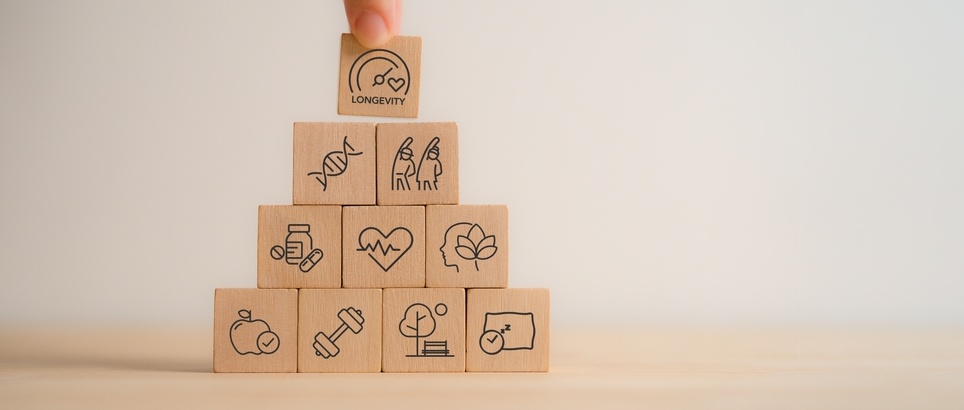
10-Week Healthy Ageing Course
Take the first step to feeling your best as you grow older. Each week, we'll focus on different areas to help you age well and maintain a healthy body and mind, including exercise, diet, anti-ageing supplements, healthy brain ageing, and bone and joint health.
by Lynn Stephen

Women's health
10-Week Menopause Course
We're excited to launch our new 10-week menopause course. Each week, we'll explore different topics to help you better understand and navigate your menopausal journey, including HRT, diet, exercise, and mental health.
by Lynn Stephen
Children's health
Offering HPV jab to boys will help prevent over 100,000 cancers
As the HPV vaccination is being prepared to roll out to teenage boys in the UK, estimates suggest that the vaccination programme could prevent over 100,000 cancers by 2058.
by Milly Evans
Diet and nutrition
10 essential nutrients you might be lacking
According to a study published by the Health and Food Supplement Information Service (HSIS), UK diets have become less healthy in the past 30 years. We chatted with health experts about 10 important nutrients you might be missing in your diet.
by Victoria Raw
Senior health
The secrets of living to 100 years old
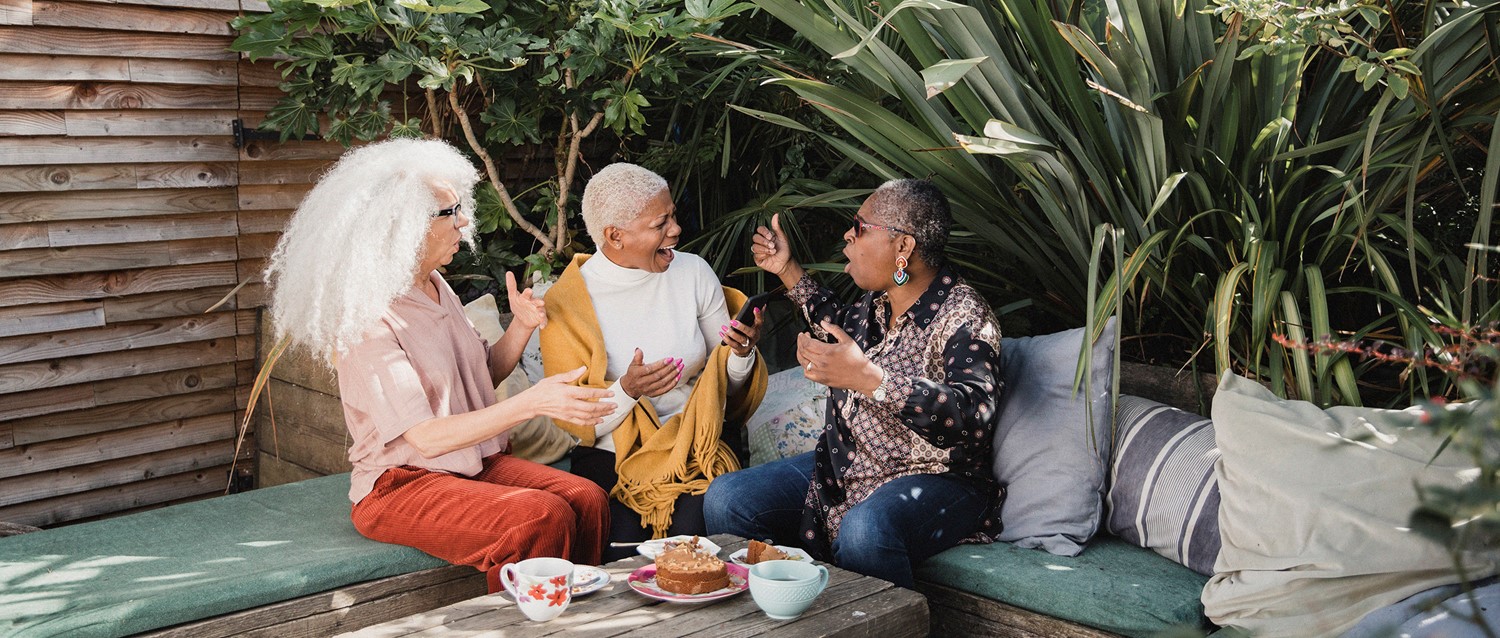
There are some folk out there who prove that age doesn't have to be a barrier to anything. My great aunt, Mabel Iles, was most indignant that her employer (the local GP) took her bicycle away from her after she had a fall, so she couldn't get to work and had to retire. She was 86. When she turned 90, she decided to do something she'd never done before, and took a helicopter trip to the Scilly Isles ('Let's face it, dear, I've been Silly Iles all my life, so I'd like to see the real thing'). The Duke of Edinburgh was 95 when he stepped down from his royal duties, after 70 years or public service, and Jane Fonda, at 79, puts most 50 year-olds to shame. How can you follow in their footsteps? My top tip - it's never too young to start stacking the health odds in your favour!
by Dr Sarah Jarvis
Related patient information and medicines
Patient information leaflet
Schizophrenia
Treatment includes medication, talking treatments and social support. [https://patient.info/health/schizophrenia-leaflet](https://patient.info/health/schizophrenia-leaflet) Schizophrenia is a serious mental health condition that causes disordered ideas, beliefs and experiences. In a sense, people with schizophrenia lose touch with reality and do.
Patient information leaflet
Alcohol use disorder
Many people drink alcohol. For some, alcohol is something that they enjoy in moderation. What is alcohol use disorder. Alcohol use disorder means drinking alcohol in a way that causes harm. If you or a family member has alcohol use disorder then treatment and support can be provided to help you or your family member reduce or stop drinking.

Patient information leaflet
Albinism
Albinism is a rare inherited (genetic) condition which reduces the amount of of melanin pigment in the skin, hair and/or eyes. The genes for occulocutaneous albinism (OCA) are located on 'autosomal' chromosomes. These are the 22 pairs of chromosomes that contain genes for our general body characteristics, compared to the one pair of sex.

Patient information leaflet
Huntington's disease
What causes Huntington's disease. Huntington's disease is caused by a defective gene that you inherit from your parents. Huntington's disease is an autosomal dominant condition, meaning you can inherit the disease from just one of your parents. If one of your parents has a faulty copy of the gene, there is a 50:50 chance that each child they have.

Patient information leaflet
Retinoblastoma
Around 80 cases are diagnosed in the U... Even though retinoblastoma is a genetic disease, most of these cases occur in families who have never had a family member with retinoblastoma. What causes retinoblastoma. Siblings of an affected child in a family in which no other family members have had the disease have only a small risk of disease. See.

Patient information leaflet
Hereditary spherocytosis
Hereditary spherocytosis (HS) is an inherited condition of red blood cells. The disease can be mild and go unrecognised in some people. In others there may be severe anaemia requiring regular blood transfusions. Some people with hereditary spherocytosis may be offered surgery to remove their spleen. This usually helps the condition, but increases.
Further reading and references
- collectin subfamily member 10; MedlinePlus, National Library of Medicine.
- Bayarri-Olmos R, Hansen S, Henriksen ML, Storm L, Thiel S, Garred P, Munthe-Fog L. Genetic variation of COLEC10 and COLEC11 and association with serum levels of collectin liver 1 (CL-L1) and collectin kidney 1 (CL-K1). PLoS One. 2015 Feb 24;10(2):e0114883. doi: 10.1371/journal.pone.0114883. eCollection 2015.
- Hansen SW, Ohtani K, Roy N, Wakamiya N. The collectins CL-L1, CL-K1 and CL-P1, and their roles in complement and innate immunity. Immunobiology. 2016 Oct;221(10):1058-67. doi: 10.1016/j.imbio.2016.05.012. Epub 2016 Jun 2.
- Henriksen ML, Brandt J, Andrieu JP, Nielsen C, Jensen PH, Holmskov U, Jorgensen TJ, Palarasah Y, Thielens NM, Hansen S. Heteromeric complexes of native collectin kidney 1 and collectin liver 1 are found in the circulation with MASPs and activate the complement system. J Immunol. 2013 Dec 15;191(12):6117-27. doi: 10.4049/jimmunol.1302121. Epub 2013 Oct 30.
- Munye MM, Diaz-Font A, Ocaka L, Henriksen ML, Lees M, Brady A, Jenkins D, Morton J, Hansen SW, Bacchelli C, Beales PL, Hernandez-Hernandez V. COLEC10 is mutated in 3MC patients and regulates early craniofacial development. PLoS Genet. 2017 Mar 16;13(3):e1006679. doi: 10.1371/journal.pgen.1006679. eCollection 2017 Mar.
- Ohtani K, Suzuki Y, Wakamiya N. Biological functions of the novel collectins CL-L1, CL-K1, and CL-P1. J Biomed Biotechnol. 2012;2012:493945. doi: 10.1155/2012/493945. Epub 2012 Apr 11.
- Selman L, Hansen S. Structure and function of collectin liver 1 (CL-L1) and collectin 11 (CL-11, CL-K1). Immunobiology. 2012 Sep;217(9):851-63. doi: 10.1016/j.imbio.2011.12.008. Epub 2012 Feb 4.
Share your thoughts or experiences with others in our patient communities.
Simple access to trusted treatments and health services online.
Common conditions
Get help with common conditions through the NHS, without a GP appointment.





Sign up to the Patient newsletter
Your weekly dose of clear, trustworthy health advice - written to help you feel informed, confident and in control.
By subscribing you accept our Privacy Policy. You can unsubscribe at any time. We never sell your data.