CST telomere replication complex component 1
Last updated 18 Aug 2020
Meets Patient’s editorial guidelines
- DownloadDownload
- Share
- Language
- Discussion
- Ask Patient
- Audio Version
- Add to preferred sources on Google
The CTC1 gene provides instructions for making a protein that plays an important role in structures known as telomeres, which are found at the ends of chromosomes. Telomeres are short, repetitive segments of DNA that help protect chromosomes from abnormally sticking together or breaking down (degrading). In most cells, telomeres become progressively shorter as the cell divides. After a certain number of cell divisions, the telomeres become so short that they trigger the cell to stop dividing or to self-destruct (undergo apoptosis).
Video picks for GenesVideo library
Normal function
The CTC1 gene provides instructions for making a protein that plays an important role in structures known as telomeres, which are found at the ends of chromosomes. Telomeres are short, repetitive segments of DNA that help protect chromosomes from abnormally sticking together or breaking down (degrading). In most cells, telomeres become progressively shorter as the cell divides. After a certain number of cell divisions, the telomeres become so short that they trigger the cell to stop dividing or to self-destruct (undergo apoptosis).
The CTC1 protein works as part of a group of proteins known as the CST complex, which is involved in the maintenance of telomeres. This complex is part of the special machinery that some cells use to copy (replicate) telomeres so they do not become too short as cells divide. Studies suggest that the CTC1 protein may also have roles in DNA replication unrelated to telomeres, but these functions are not well understood.
Conditions referring to this gene or chromosome
Other names
AAF-132
AAF132
alpha accessory factor 132
C17orf68
conserved telomere capping protein 1
CRMCC
CST complex subunit CTC1
CTS telomere maintenance complex component 1
FLJ22170
HBV DNAPTP1-transactivated protein B
RP11-849F2.8
tmp494178
Patient picks for Genes

Drug interactions checker
Can I take Ashwagandha and Vitamin B complex together?
There are no known harmful interactions between ashwagandha and Vitamin B complex. In fact, they are often taken together to help manage stress and energy levels.
Drug interactions checker
Can I take Vitamin B complex and Vitamin C together?
There is no harmful interaction between Vitamin B complex and Vitamin C. In fact, these water-soluble vitamins are often found together in the same supplement (such as Berocca or multivitamin tablets) because they work well together to support energy levels and the immune system.
Drug interactions checker
Can I take Evening primrose oil and Vitamin B complex together?
There are no known significant interactions between evening primrose oil and vitamin B complex supplements. They are generally considered safe to take together.
Drug interactions checker
Can I take Devil's claw and Vitamin B complex together?
There are no known significant interactions between devil's claw and a standard vitamin B complex supplement. It is generally considered safe to take these two together.
Drug interactions checker
Can I take Magnesium and Vitamin B complex together?
There is no known harmful interaction between magnesium and Vitamin B complex. In fact, these two supplements are often taken together because they work well as a team in the body.
Drug interactions checker
Can I take Turmeric with black pepper and Vitamin B complex together?
There are no known harmful interactions between turmeric (with black pepper) and Vitamin B complex. In fact, black pepper may slightly improve the absorption of certain B vitamins.
Related patient information and medicines

Patient information leaflet
Ageing
Life expectan. Over time, life expectancy has doubled i... The change that comes with age (the ageing process) is due to complex goings on inside the body. It may also be that the presence or absence of certain genes allows people to live longer. With repeated dividing, the telomeres - protective structures at the end of the threads of genes.

Patient information leaflet
Somatisation and functional disorders
People with functional disorders tend to be referred to various specialists, and have many tests and investigations b... Unfortunately, some of the tests that are done can be potentially harmful and increase the likelihood of disease in the future (for example, chest cancers from multiple CT scans or chest x-rays). People with functional disorders.

Patient information leaflet
Alpha-1 antitrypsin deficiency
There are many variations of the A1AT faulty gene. People with certain gene variations can be more severely affected than others. It has all got to do with the amount of normal A1AT that they are still able to produce. Only people with the lowest levels of A1AT in their blood will develop symptoms. A special test known as a phenotype test can show.
Patient information leaflet
Types of seizures
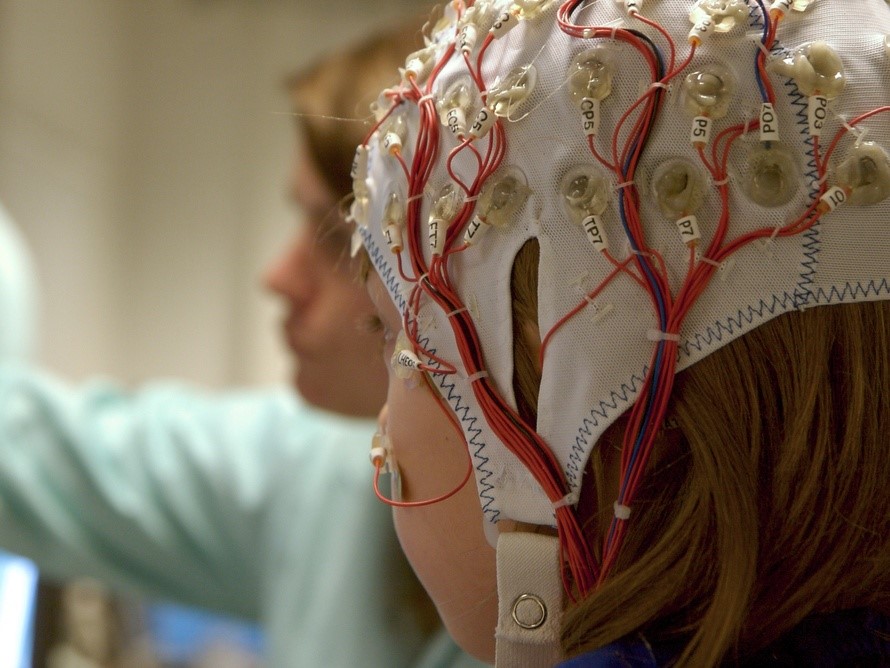
A seizure is a condition caused by a sudden burst of electrical activity in the brain. There are different types of seizures. This leaflet gives some information about what your doctor may wish to know and what tests may be advised after such an event. What is a seizure. A seizure is a short episode of symptoms caused by a burst of abnormal.

Patient information leaflet
Loss of taste and smell
However, most of the flavour o... This is detected by smell receptors, which are found in the lining of the nose, and the smell of food travels from the back of the mouth into the back of the nose. Smell, like taste, is a chemical sense detected by sensory cells called chemoreceptors. When an odour stimulates the chemoreceptors in the nose that.
Patient information leaflet
Can I take Tetracycline and Calcium together?
Simply search for your medicines to see potential interactions and w... Disclaimer This information is for general educational purposes only and should not be relied upon as a substitute for professional medical advice. Always consult your GP, pharmacist, or another qualified healthcare professional before making decisions about your medications..
Further reading and references
- CST telomere replication complex component 1; MedlinePlus, National Library of Medicine.
- Anderson BH, Kasher PR, Mayer J, Szynkiewicz M, Jenkinson EM, Bhaskar SS, Urquhart JE, Daly SB, Dickerson JE, O'Sullivan J, Leibundgut EO, Muter J, Abdel-Salem GM, Babul-Hirji R, Baxter P, Berger A, Bonafe L, Brunstom-Hernandez JE, Buckard JA, Chitayat D, Chong WK, Cordelli DM, Ferreira P, Fluss J, Forrest EH, Franzoni E, Garone C, Hammans SR, Houge G, Hughes I, Jacquemont S, Jeannet PY, Jefferson RJ, Kumar R, Kutschke G, Lundberg S, Lourenco CM, Mehta R, Naidu S, Nischal KK, Nunes L, Ounap K, Philippart M, Prabhakar P, Risen SR, Schiffmann R, Soh C, Stephenson JB, Stewart H, Stone J, Tolmie JL, van der Knaap MS, Vieira JP, Vilain CN, Wakeling EL, Wermenbol V, Whitney A, Lovell SC, Meyer S, Livingston JH, Baerlocher GM, Black GC, Rice GI, Crow YJ. Mutations in CTC1, encoding conserved telomere maintenance component 1, cause Coats plus. Nat Genet. 2012 Jan 22;44(3):338-42. doi: 10.1038/ng.1084.
- Chen LY, Majerska J, Lingner J. Molecular basis of telomere syndrome caused by CTC1 mutations. Genes Dev. 2013 Oct 1;27(19):2099-108. doi: 10.1101/gad.222893.113.
- Gu P, Chang S. Functional characterization of human CTC1 mutations reveals novel mechanisms responsible for the pathogenesis of the telomere disease Coats plus. Aging Cell. 2013 Dec;12(6):1100-9. doi: 10.1111/acel.12139. Epub 2013 Sep 4.
- Polvi A, Linnankivi T, Kivela T, Herva R, Keating JP, Makitie O, Pareyson D, Vainionpaa L, Lahtinen J, Hovatta I, Pihko H, Lehesjoki AE. Mutations in CTC1, encoding the CTS telomere maintenance complex component 1, cause cerebroretinal microangiopathy with calcifications and cysts. Am J Hum Genet. 2012 Mar 9;90(3):540-9. doi: 10.1016/j.ajhg.2012.02.002. Epub 2012 Mar 1.
- Surovtseva YV, Churikov D, Boltz KA, Song X, Lamb JC, Warrington R, Leehy K, Heacock M, Price CM, Shippen DE. Conserved telomere maintenance component 1 interacts with STN1 and maintains chromosome ends in higher eukaryotes. Mol Cell. 2009 Oct 23;36(2):207-18. doi: 10.1016/j.molcel.2009.09.017.
Share your thoughts or experiences with others in our patient communities.
Simple access to trusted treatments and health services online.
Common conditions
Get help with common conditions through the NHS, without a GP appointment.





Sign up to the Patient newsletter
Your weekly dose of clear, trustworthy health advice - written to help you feel informed, confident and in control.
By subscribing you accept our Privacy Policy. You can unsubscribe at any time. We never sell your data.