cytochrome b-245 alpha chain
Last updated 18 Aug 2020
Meets Patient’s editorial guidelines
- DownloadDownload
- Share
- Language
- Discussion
- Ask Patient
- Audio Version
- Add to preferred sources on Google
The CYBA gene provides instructions for making a protein called the cytochrome b-245 alpha chain (also known as p22-phox). This protein is one part (subunit) of a group of proteins that forms an enzyme complex called NADPH oxidase, which plays an essential role in the immune system. Within this complex, the cytochrome b-245 alpha chain has a beta chain partner (produced from the CYBB gene). Both alpha and beta chains are required for either to function, and the NADPH oxidase complex requires both chains in order to be functional. NADPH oxidase is primarily active in immune system cells called phagocytes. These cells catch and destroy foreign invaders such as bacteria and fungi. NADPH oxidase is also thought to regulate the activity of immune cells called neutrophils. These cells play a role in adjusting the inflammatory response to optimize healing and reduce injury to the body.
Video picks for GenesVideo library
Normal function
The CYBA gene provides instructions for making a protein called the cytochrome b-245 alpha chain (also known as p22-phox). This protein is one part (subunit) of a group of proteins that forms an enzyme complex called NADPH oxidase, which plays an essential role in the immune system. Within this complex, the cytochrome b-245 alpha chain has a beta chain partner (produced from the CYBB gene). Both alpha and beta chains are required for either to function, and the NADPH oxidase complex requires both chains in order to be functional. NADPH oxidase is primarily active in immune system cells called phagocytes. These cells catch and destroy foreign invaders such as bacteria and fungi. NADPH oxidase is also thought to regulate the activity of immune cells called neutrophils. These cells play a role in adjusting the inflammatory response to optimize healing and reduce injury to the body.
The presence of foreign invaders stimulates phagocytes and triggers the assembly of NADPH oxidase. This enzyme participates in a chemical reaction that converts oxygen to a toxic molecule called superoxide. Superoxide is used to generate several other compounds, including hydrogen peroxide (a strong disinfectant) and hypochlorous acid (the active ingredient in bleach). These highly reactive, toxic substances are known as reactive oxygen species. Phagocytes use these substances to kill foreign invaders, preventing them from reproducing in the body and causing illness.
Conditions referring to this gene or chromosome
Other names
CY24A_HUMAN
cytochrome b light chain
cytochrome b(558) alpha chain
cytochrome b, alpha polypeptide
cytochrome b-245 light chain
cytochrome b-245, alpha polypeptide
cytochrome b558 subunit alpha
flavocytochrome b-558 alpha polypeptide
neutrophil cytochrome b 22 kDa polypeptide
p22phox
superoxide-generating NADPH oxidase light chain subunit
Patient picks for Genes
Infections
6-in-1 vaccine
The 6-in-1 vaccine is part of routine childhood immunisations and protects babies against six different serious illnesses. Three doses are given. Further boosters without all six components are given at other times later in childhood and in adult life. The 6-in-1 vaccine used to be given as the 3-in-1 vaccine DTaP along with the polio vaccine which was given by mouth, but has gradually been extended so that it now protects against even more diseases. It is given in one single injection into the thigh from one single syringe. This leaflet explains when this vaccine is given and why. It also explains which components of the 6-in-1 vaccine are given later in the UK immunisation schedule as the 4-in-1, 3-in-1 etc.
by Dr Philippa Vincent, MRCGP
Treatment and medication
Alpha-blockers
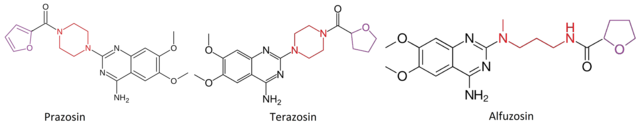
Alpha-blockers are medicines that are mainly used to treat high blood pressure (hypertension) and problems with passing urine in men who have enlargement of the prostate gland. Prostate gland enlargement is also called benign prostatic hyperplasia (BPH).
by Dr Doug McKechnie, MRCGP

Children's health
Alpha-1 antitrypsin deficiency
Alpha-1 antitrypsin deficiency is an inherited genetic condition. A genetic condition is one that can be passed on from parents through genes. In alpha-1 antitrypsin deficiency the result of a genetic abnormality leads to lung and, in some people, liver damage. Lung symptoms are the most common and include shortness of breath, cough and wheezing. Symptoms can worsen over time. At present, there is no cure for alpha-1 antitrypsin deficiency. Treatment aims at slowing down the progression of the disease.
by Dr Philippa Vincent, MRCGP
Medicine
Phenoxybenzamine - an alpha-blocker
Adults will normally start with one capsule a day. This dose may then be increased over the next few days. It is common to feel dizzy or light-headed initially. This should soon settle. You may be given other medicines to take alongside phenoxybenzamine.
by Michael Stewart, MRPharmS
Medicine
Indoramin - an alpha-blocker
Indoramin is prescribed for two different medical conditions: 20 mg strength tablets are prescribed for men with prostate problems, and 25 mg strength tablets are prescribed for people with high blood pressure. You are advised not to drink alcohol while you are on indoramin. Do not drive and do not use tools or machines if you feel tired or dizzy.
by Michael Stewart, MRPharmS

Medicine
Terazosin - an alpha-blocker
Take terazosin once every day. Your first dose of terazosin may make you feel dizzy or faint, or start sweating. Take your first dose at bedtime and remain lying down until these symptoms have completely passed. Terazosin can cause dizziness which may affect your ability to drive. Make sure your reactions are normal before you drive and before you use tools or machines.
by Michael Stewart, MRPharmS
Related patient information and medicines
Patient information leaflet
Can I take Glucosamine and St John's wort together?
T... It is generally considered safe to take these two supplements together. Why this happens Glucosamine is primarily used by the body to build cartilage and does not significantly affect the liver enzymes (Cytochrome P450) that St John's wort is known to influence. St John's wort works by altering brain chemicals and speeding up the breakdown of.

Patient information leaflet
Thalassaemia
Haemoglobin is made out of different parts. The main parts are called alpha chains and beta chains which are put together to make the haemoglobin molecule. In thalassaemia, part of the haemoglobin is faulty - usually either the alpha chains or the beta chains. This means that some of the haemoglobin does not work properly. As a result, there is.

Patient information leaflet
Can I take Promethazine and Vitamin D3 together?
It is generally considered sa... Why this happens Promethazine is an antihistamine processed primarily by the liver's cytochrome P450 enzymes, while vitamin D3 is a fat-soluble vitamin that undergoes a different metabolic pathway (hydroxylation in the liver and kidneys). They do not interfere with each other's absorption, metabolism, or effects in.
Patient information leaflet
Myeloma
Myeloma is a cancer that affects cells, called plasma cells, in the bone marrow. Bone marrow is the spongy tissue at the centre of some bones that produces the body's blood cells. Dr Krishna Vakharia , 10th April 2025 The National Institute for Health and Care Excellence (NICE) has updated its guidance on assessment for myeloma in all ages.

Patient information leaflet
Can I take Black cohosh and Vitamin C together?
Why this happens Black cohosh and vitamin C are processed by the body th... Vitamin C is a water-soluble vitamin that does not significantly interfere with the liver enzymes (such as the Cytochrome P450 system) that process black cohosh. Additionally, they do not have overlapping effects that would cause a dangerous build-up or a reduction in.
Patient information leaflet
Can I take Black cohosh and Glucosamine together?
Both are generally c... Why this happens These two substances are processed by the body through different pathways. Glucosamine is an amino sugar used by the body to build cartilage, while black cohosh is a herbal remedy that primarily affects hormonal pathways or neurotransmitters. They do not compete for the same enzymes in the liver (such as.
Further reading and references
- cytochrome b-245 alpha chain; MedlinePlus, National Library of Medicine.
- Kannengiesser C, Gerard B, El Benna J, Henri D, Kroviarski Y, Chollet-Martin S, Gougerot-Pocidalo MA, Elbim C, Grandchamp B. Molecular epidemiology of chronic granulomatous disease in a series of 80 kindreds: identification of 31 novel mutations. Hum Mutat. 2008 Sep;29(9):E132-49. doi: 10.1002/humu.20820.
- Roos D, Kuhns DB, Maddalena A, Bustamante J, Kannengiesser C, de Boer M, van Leeuwen K, Koker MY, Wolach B, Roesler J, Malech HL, Holland SM, Gallin JI, Stasia MJ. Hematologically important mutations: the autosomal recessive forms of chronic granulomatous disease (second update). Blood Cells Mol Dis. 2010 Apr 15;44(4):291-9. doi: 10.1016/j.bcmd.2010.01.009. Epub 2010 Feb 18.
- Stasia MJ, Li XJ. Genetics and immunopathology of chronic granulomatous disease. Semin Immunopathol. 2008 Jul;30(3):209-35. doi: 10.1007/s00281-008-0121-8. Epub 2008 May 29.
- Sumimoto H. Structure, regulation and evolution of Nox-family NADPH oxidases that produce reactive oxygen species. FEBS J. 2008 Jul;275(13):3249-77. doi: 10.1111/j.1742-4658.2008.06488.x. Epub 2008 May 30.
Share your thoughts or experiences with others in our patient communities.
Simple access to trusted treatments and health services online.
Common conditions
Get help with common conditions through the NHS, without a GP appointment.





Sign up to the Patient newsletter
Your weekly dose of clear, trustworthy health advice - written to help you feel informed, confident and in control.
By subscribing you accept our Privacy Policy. You can unsubscribe at any time. We never sell your data.