gamma-aminobutyric acid type A receptor subunit alpha1
Last updated 5 Jul 2022
Meets Patient’s editorial guidelines
- DownloadDownload
- Share
- Language
- Discussion
- Audio Version
- Add to preferred sources on Google
The GABRA1 gene provides instructions for making one piece, the alpha-1 (α1) subunit, of the GABAA receptor protein. GABAA receptors are made up of different combinations of five protein subunits, each produced from a different gene. (Nineteen different genes provide instructions for GABAA receptor subunits.) These subunits form a hole (pore) in the cell membrane through which negatively charged chlorine atoms (chloride ions) can flow.
Normal function
The GABRA1 gene provides instructions for making one piece, the alpha-1 (α1) subunit, of the GABAA receptor protein. GABAA receptors are made up of different combinations of five protein subunits, each produced from a different gene. (Nineteen different genes provide instructions for GABAA receptor subunits.) These subunits form a hole (pore) in the cell membrane through which negatively charged chlorine atoms (chloride ions) can flow.
A chemical that transmits signals in the brain (a neurotransmitter) called gamma-amino butyric acid (GABA) attaches to GABAA receptors. Once GABA attaches, the pore formed by the subunits opens, and chloride ions flow across the cell membrane. After infancy, chloride ions flow into the cell through the open pore, which creates an environment in the cell that blocks (inhibits) signaling between neurons. The primary role of GABA in children and adults is to prevent the brain from being overloaded with too many signals. In contrast, in newborns and infants, chloride ions flow out of the cell when the pore is opened, creating an environment that allows signaling between neurons.
Conditions referring to this gene or chromosome
Other names
ECA4
EJM
EJM5
GABA(A) receptor subunit alpha-1
GABA(A) receptor, alpha 1
gamma-aminobutyric acid (GABA) A receptor, alpha 1
gamma-aminobutyric acid receptor subunit alpha-1
gamma-aminobutyric acid receptor subunit alpha-1 precursor
GBRA1_HUMAN
Related patient information and medicines
Patient information leaflet
Blood groups and types
ABO and rhesus are both types of antigens found on the surface of red blood cells. There are lots of other types but these are the most important. The main reasons to know your blood group are if you need to have a blood transfusion or if you are pregnant. What is a blood group. Red blood cells (erythrocytes) have certain proteins on their.

Patient information leaflet
Type 2 diabetes treatment
If a high blood sugar level is brought down to a normal level, your symptoms will ease and your risk of long-term complications will be much lower. Managing type 2 diabetes Keeping your blood sugar (glucose) well controlled is key to reducing your risk of long-term complications such as heart, kidney or eye problems. Regardless of whether you need.

Patient information leaflet
Type 2 diabetes
Type 2 diabetes can occur at any age, including during childhood, but it occurs mainly in people aged over 40. What is type 2 diabetes. Type 2 diabetes and its symptoms tend to develop gradually (over weeks or months). This is because in type 2 diabetes you still make insulin (unlike in type 1 diabetes ). However, you develop type 2 diabetes.
Patient information leaflet
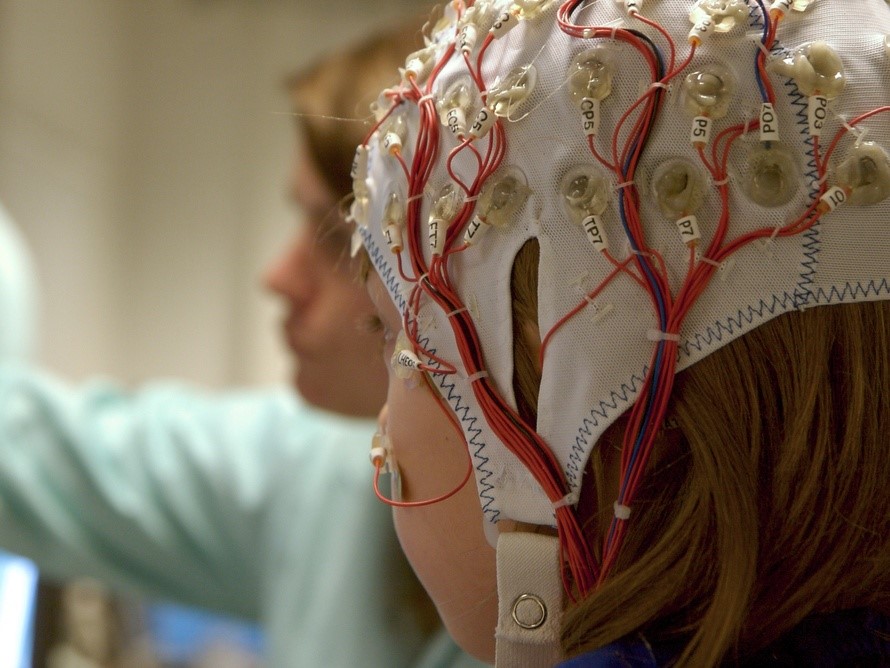
Types of seizures
A seizure is a condition caused by a sudden burst of electrical activity in the brain. There are different types of seizures. This leaflet gives some information about what your doctor may wish to know and what tests may be advised after such an event. What is a seizure. A seizure is a short episode of symptoms caused by a burst of abnormal.
Patient information leaflet
Can I take Folic acid and Magnesium together?
There is no known harmful interaction between folic acid and magnesium. In fact, they are often taken together in multivitamins or during pregnancy. Why this happens Folic acid (a B vitamin) and magnesium (a mineral) are absorbed and processed by the body through different pathways. They do not interfere with each other's effectiveness or increase.
Patient information leaflet
Can I take Black cohosh and Folic acid together?
Because alcohol also puts strain on the liver, it is advisable to lim... Using other medicines Taking multiple medicines. Our Medicines Interaction Checker helps you check whether your prescriptions, over-the-counter medicines, and supplements are safe to take together. Simply search for your medicines to see potential interactions and what to do.
Further reading and references
- gamma-aminobutyric acid type A receptor subunit alpha1; MedlinePlus, National Library of Medicine.
- Ben-Ari Y, Khalilov I, Kahle KT, Cherubini E. The GABA excitatory/inhibitory shift in brain maturation and neurological disorders. Neuroscientist. 2012 Oct;18(5):467-86. doi: 10.1177/1073858412438697. Epub 2012 Apr 30.
- Bradley CA, Taghibiglou C, Collingridge GL, Wang YT. Mechanisms involved in the reduction of GABAA receptor alpha1-subunit expression caused by the epilepsy mutation A322D in the trafficking-competent receptor. J Biol Chem. 2008 Aug 8;283(32):22043-50. doi: 10.1074/jbc.M801708200. Epub 2008 Jun 5.
- Cossette P, Liu L, Brisebois K, Dong H, Lortie A, Vanasse M, Saint-Hilaire JM, Carmant L, Verner A, Lu WY, Wang YT, Rouleau GA. Mutation of GABRA1 in an autosomal dominant form of juvenile myoclonic epilepsy. Nat Genet. 2002 Jun;31(2):184-9. doi: 10.1038/ng885. Epub 2002 May 6.
- Ding L, Feng HJ, Macdonald RL, Botzolakis EJ, Hu N, Gallagher MJ. GABA(A) receptor alpha1 subunit mutation A322D associated with autosomal dominant juvenile myoclonic epilepsy reduces the expression and alters the composition of wild type GABA(A) receptors. J Biol Chem. 2010 Aug 20;285(34):26390-405. doi: 10.1074/jbc.M110.142299. Epub 2010 Jun 15.
- Gallagher MJ, Ding L, Maheshwari A, Macdonald RL. The GABAA receptor alpha1 subunit epilepsy mutation A322D inhibits transmembrane helix formation and causes proteasomal degradation. Proc Natl Acad Sci U S A. 2007 Aug 7;104(32):12999-3004. doi: 10.1073/pnas.0700163104. Epub 2007 Aug 1.
- Kang JQ, Shen W, Macdonald RL. Two molecular pathways (NMD and ERAD) contribute to a genetic epilepsy associated with the GABA(A) receptor GABRA1 PTC mutation, 975delC, S326fs328X. J Neurosci. 2009 Mar 4;29(9):2833-44. doi: 10.1523/JNEUROSCI.4512-08.2009.
- Krampfl K, Maljevic S, Cossette P, Ziegler E, Rouleau GA, Lerche H, Bufler J. Molecular analysis of the A322D mutation in the GABA receptor alpha-subunit causing juvenile myoclonic epilepsy. Eur J Neurosci. 2005 Jul;22(1):10-20. doi: 10.1111/j.1460-9568.2005.04168.x.
Join the conversation
Share your thoughts or experiences with others in our patient communities.

Ask, share, connect.
Browse discussions, ask questions, and share experiences across hundreds of health topics.
Sign up to the Patient newsletter
Your weekly dose of clear, trustworthy health advice - written to help you feel informed, confident and in control.
By subscribing you accept our Privacy Policy. You can unsubscribe at any time. We never sell your data.