insulin receptor
Last updated 19 Jul 2023
Meets Patient’s editorial guidelines
- DownloadDownload
- Share
- Language
- Discussion
- Ask Patient
- Audio Version
- Add to preferred sources on Google
The INSR gene provides instructions for making a protein called an insulin receptor, which is found in many types of cells. Insulin receptors are embedded in the outer membrane surrounding the cell, where they attach (bind) to the hormone insulin circulating in the bloodstream. Insulin plays many roles in the body, including regulating blood glucose levels by controlling how much sugar (in the form of glucose) is passed from the bloodstream into cells to be used as energy.
Video picks for GenesVideo library
Normal function
The INSR gene provides instructions for making a protein called an insulin receptor, which is found in many types of cells. Insulin receptors are embedded in the outer membrane surrounding the cell, where they attach (bind) to the hormone insulin circulating in the bloodstream. Insulin plays many roles in the body, including regulating blood glucose levels by controlling how much sugar (in the form of glucose) is passed from the bloodstream into cells to be used as energy.
The insulin receptor is initially produced as a single long protein that must be processed by being cut (cleaved) into four parts: two alpha subunits and two beta subunits. These subunits work together as a functioning receptor. The alpha subunits stick out from the surface of the cell, while the beta subunits remain inside the cell. The alpha subunits attach (bind) to insulin, which causes the beta subunits to trigger signaling pathways within the cell that influence many cell functions.
Conditions referring to this gene or chromosome
Other names
CD220
HHF5
insulin receptor isoform Long preproprotein
insulin receptor isoform Short preproprotein
IR
Patient picks for Genes
Hormones
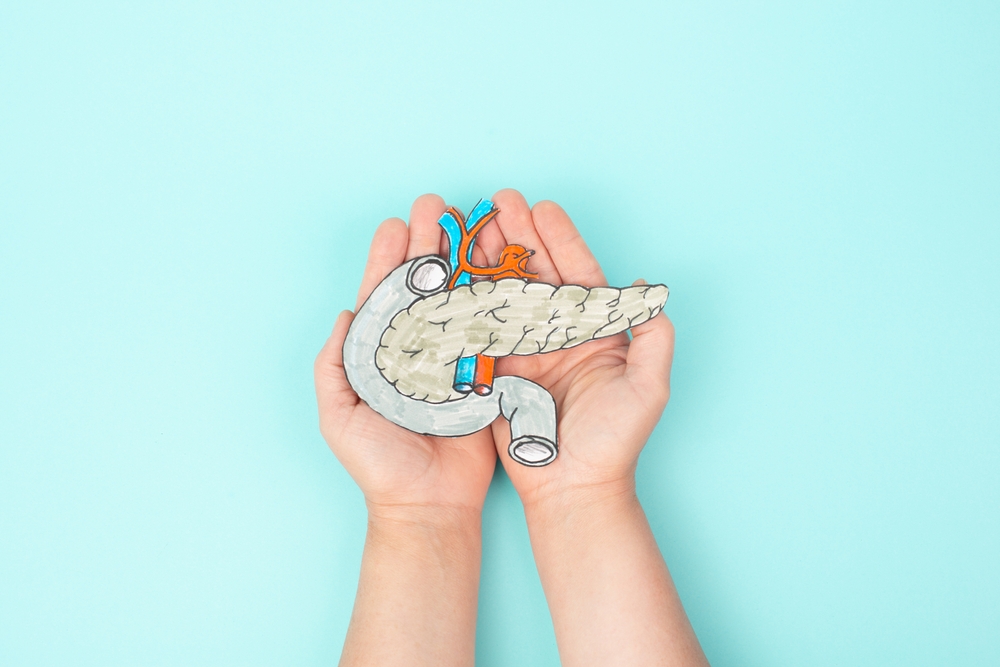
Insulin resistance: the common thread linking metabolic conditions
You may have come across the term “insulin resistance” - particularly if you’ve been having conversations about weight and metabolic health - but be a little unclear about what it actually is. Whilst it’s easy to think insulin resistance just means reduced glucose control, it’s actually far more complex than that. Dr Nienke Lees, Women's Health Service Lead, Genwell UK, explains what it means and how it connects conditions including type 2 diabetes, fatty liver disease, cardiovascular disease, and PCOS.
by Dr Nienke Lees
Treatment and medication
Insulin
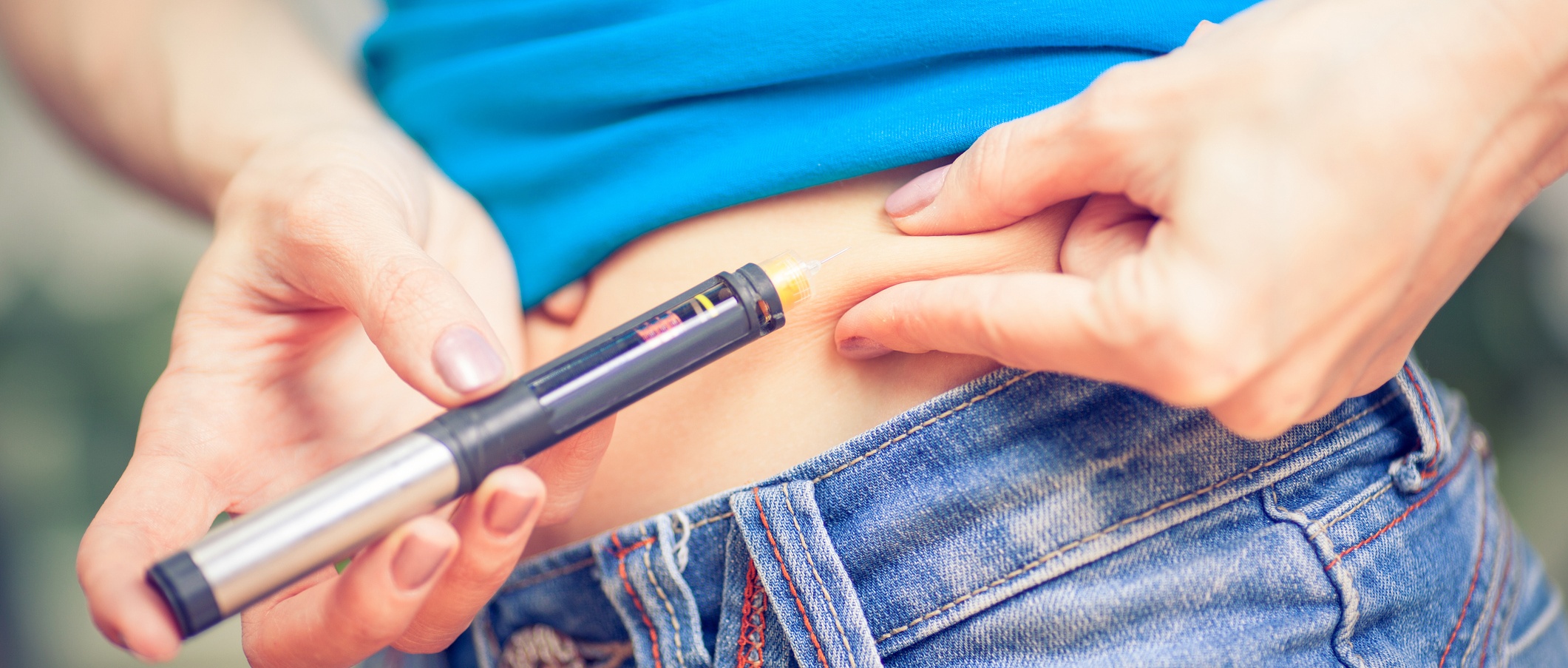
Insulin is a hormone made naturally in the body by the pancreas. This hormone controls the level of sugar (glucose) in the blood. People who have type 1 diabetes need to have regular insulin injections. In type 1 diabetes, the body stops making insulin and the blood sugar level goes very high. Some people who have type 2 diabetes may also need to have insulin injections to help control blood sugar levels. Insulin is usually injected under the skin between 2-4 times a day. There are different types of insulin available which are classified according to how quickly and for how long they work. Your doctor or diabetes nurse will discuss the various preparations and devices available and help you choose a regimen that is right for you. Treatment with insulin is usually lifelong.
by Dr Colin Tidy, MRCGP
Drug interactions checker
Can I take Mounjaro and Insulin together?
Taking Mounjaro (tirzepatide) and insulin together significantly increases your risk of having a 'hypo' (hypoglycaemia), which is when your blood sugar levels drop too low. Symptoms of a hypo can include feeling shaky, sweaty, dizzy, hungry, or confused. In severe cases, it can be dangerous.
Medicine
Insulin
Make sure you know which type (or types) of insulin to use, how much to inject, and what time of day to use it. Each time you collect a prescription, check the container to make sure it is the right insulin for you. Store unopened insulin in a refrigerator until it is needed.
by Michael Stewart, MRPharmS
Medicine
Telmisartan - an angiotensin receptor blocker
The usual dose is one tablet daily. You can take telmisartan before or after meals. Side-effects are usually mild. They include feeling dizzy and stomach upset. Keep your regular appointments with your doctor to have your blood pressure measured. Some painkillers interfere with telmisartan, so ask your pharmacist for advice before you buy any medicines.
by Michael Stewart, MRPharmS
Medicine
Irbesartan - an angiotensin receptor blocker
Take irbesartan once each day. You can take the tablets before or after meals. Side-effects are usually mild. They include feeling dizzy and mild stomach upset. Keep your regular appointments with your doctor to have your blood pressure measured. Some painkillers interfere with irbesartan, so ask a pharmacist for advice before you buy any medicines.
by Michael Stewart, MRPharmS
Related patient information and medicines

Patient information leaflet
Diabetes and illness
Don't delay in contacting your doctor or nurse if you need advice or support. See the section below on 'Sick day rules diabetes type 2' for further information. There is also further information in the following sections on Type 1 diabetes and Type 2 diabetes. On angiotensin-converting enzyme (ACE) inhibitors ACE inhibitors , angiotensin receptor.

Patient information leaflet
Can I take Royal sun and Shiitake together?
Both Royal Sun (Agaricus blazei) and Shiitake (Lentinula edodes) mushrooms contain high levels of beta-glucans, which are substances that stimulate the immune system. These also contain compounds called beta-glucans and other chemicals that can improve insulin sensitivity and inhibit platelets (the cells that help your blood clot). If you are.

Patient information leaflet
Type 2 diabetes treatment
In addition to controlling your blood glucose, keeping raised blood pressure, cholesterol and other risk factors under control are also important. You can read more about controlling other risk factors in our separate leaflet called Type 2 diabetes Type 2 diabetes. The rest of this leaflet is about medications to control blood glucose. ...people.

Patient information leaflet
Type 2 diabetes
Type 2 diabetes can occur at any age, including during childhood, but it occurs mainly in people aged over 40. Insulin injections are needed in some cases. This is because in type 2 diabetes you still make insulin (unlike in type 1 diabetes Type 1 diabetes ). However, you develop type 2 diabetes because: You do not make enough insulin for your.
Patient information leaflet
Chronic pancreatitis
The reaso... Over time, the inflammation causes scarring and damage to the pancreas. The pancreas is an organ in the abdomen (tummy). It has two main functions: Producing chemicals (enzymes) to digest food in the gut. Producing hormones to help control various things in the body. Insulin Insulin is a very important hormone produced by the.
Patient information leaflet
Insulin
Insulin is a hormone made naturally in the body by the pancreas. This hormone controls the level of sugar (glucose) in the blood. People who have type 1 di... Insulin is usually injected under the skin between 2-4 times a day. For more information on insulin, go to.
Further reading and references
- insulin receptor; MedlinePlus, National Library of Medicine.
- Grasso V, Colombo C, Favalli V, Galderisi A, Rabbone I, Gombos S, Bonora E, Massa O, Meschi F, Cerutti F, Iafusco D, Bonfanti R, Monciotti C, Barbetti F. Six cases with severe insulin resistance (SIR) associated with mutations of insulin receptor: Is a Bartter-like syndrome a feature of congenital SIR? Acta Diabetol. 2013 Dec;50(6):951-7. doi: 10.1007/s00592-013-0490-x. Epub 2013 Jul 4.
- Hubbard SR. The insulin receptor: both a prototypical and atypical receptor tyrosine kinase. Cold Spring Harb Perspect Biol. 2013 Mar 1;5(3):a008946. doi: 10.1101/cshperspect.a008946.
- Longo N, Wang Y, Smith SA, Langley SD, DiMeglio LA, Giannella-Neto D. Genotype-phenotype correlation in inherited severe insulin resistance. Hum Mol Genet. 2002 Jun 1;11(12):1465-75. doi: 10.1093/hmg/11.12.1465.
- Maassen JA, Tobias ES, Kayserilli H, Tukel T, Yuksel-Apak M, D'Haens E, Kleijer WJ, Fery F, van der Zon GC. Identification and functional assessment of novel and known insulin receptor mutations in five patients with syndromes of severe insulin resistance. J Clin Endocrinol Metab. 2003 Sep;88(9):4251-7. doi: 10.1210/jc.2003-030034.
- Semple RK, Savage DB, Cochran EK, Gorden P, O'Rahilly S. Genetic syndromes of severe insulin resistance. Endocr Rev. 2011 Aug;32(4):498-514. doi: 10.1210/er.2010-0020. Epub 2011 May 2.
Share your thoughts or experiences with others in our patient communities.
Simple access to trusted treatments and health services online.
Common conditions
Get help with common conditions through the NHS, without a GP appointment.





Sign up to the Patient newsletter
Your weekly dose of clear, trustworthy health advice - written to help you feel informed, confident and in control.
By subscribing you accept our Privacy Policy. You can unsubscribe at any time. We never sell your data.