propionyl-CoA carboxylase subunit beta
Last updated 18 Aug 2020
Meets Patient’s editorial guidelines
- DownloadDownload
- Share
- Language
- Discussion
- Ask Patient
- Audio Version
- Add to preferred sources on Google
The PCCB gene provides instructions for making part of an enzyme called propionyl-CoA carboxylase, specifically, the beta subunit of this enzyme. Six beta subunits come together with six alpha subunits (produced from the PCCA gene) to form a functioning enzyme.
Video picks for GenesVideo library
Normal function
The PCCB gene provides instructions for making part of an enzyme called propionyl-CoA carboxylase, specifically, the beta subunit of this enzyme. Six beta subunits come together with six alpha subunits (produced from the PCCA gene) to form a functioning enzyme.
Propionyl-CoA carboxylase plays a role in the normal processing of proteins. It carries out a particular step in the breakdown of several protein building blocks (amino acids) called isoleucine, methionine, threonine, and valine. Propionyl-CoA carboxylase also helps break down certain types of lipids (fats) and cholesterol. First, several chemical reactions convert the amino acids, lipids, or cholesterol to a molecule called propionyl-CoA. Using the B vitamin biotin, propionyl-CoA carboxylase then converts propionyl-CoA to a molecule called methylmalonyl-CoA. Additional enzymes break down methylmalonyl-CoA into other molecules that are used for energy.
Conditions referring to this gene or chromosome
Other names
PCCase beta subunit
PCCB_HUMAN
propanoyl-CoA:carbon dioxide ligase beta subunit
propionyl CoA carboxylase, beta polypeptide
propionyl-CoA carboxylase beta subunit
propionyl-CoA carboxylase, beta subunit
Patient picks for Genes
Treatment and medication
Beta-blockers
Beta-blockers are medicines that are used to treat a variety of conditions. Their full correct name is beta-adrenoceptor blocking medicines (or beta-adrenergic blocking agents), but they are commonly just called beta-blockers.
by Dr Rosalyn Adleman, MRCGP
Drug interactions checker
Can I take Betahistine and Citalopram together?
There are no known significant interactions between betahistine and citalopram. It is generally considered safe to take these two medicines together.
Heart health and blood vessels
Coarctation of the aorta
Coarctation of the aorta is a type of congenital heart disease where there is a narrowing in part of the aorta, the main artery that leaves the left side of the heart.
by Dr Toni Hazell, FRCGP
Medicine
Propranolol - a beta-blocker
Propranolol is a beta-blocker prescribed to treat a number of different conditions such as anxiety, high blood pressure, and angina. If you are unsure why you are taking it, speak with your doctor. The most common side effects of propranolol are feeling tired, cold hands and feet, disturbed sleep, and stomach upset.
by Michael Stewart, MRPharmS
Medicine
Oxprenolol - a beta-blocker
Oxprenolol is used to treat a number of different conditions. If you are unsure why you are taking it, please speak with your doctor. Treatment with oxprenolol is usually long-term. Continue to take the tablets regularly unless your doctor tells you to stop. The most common side-effects are dry mouth and constipation.
by Michael Stewart, MRPharmS
Treatment and medication
Extended-spectrum beta-lactamases
Extended-spectrum beta-lactamases (ESBLs) have so far only been reported in certain bacteria called Gram-negative bacterial infections.
by Dr Colin Tidy, MRCGP
Related patient information and medicines
Patient information leaflet
Can I take Royal sun and Shiitake together?
Both Royal Sun (Agaricus blazei) and Shiitake (Lentinula edodes) mushrooms contain high levels of beta-glucans, which are substances that stimulate the immune system. Taking them together may cause your immune system to become overactive. General Food Intake These medicinal mushrooms contain complex polysaccharides (beta-glucans). For the best.
Patient information leaflet
Can I take Royal sun and White button together?
Both Royal Sun (Agaricus blazei) and White Button mushrooms contain compounds that may lower blood sugar levels. Why this happens These mushrooms contain beta-glucans and other compounds that can improve insulin sensitivity or mimic insulin-like effects. General Food Intake These medicinal mushrooms contain complex polysaccharides (beta-glucans)..
Patient information leaflet
Can I take Turkey tail and White button together?
There are no known negative interactions between Turkey Tail (Trametes versicolor) and White Button mushrooms (Agaricus bisporus). Both ... Why this happens Both mushrooms contain bioactive compounds called polysaccharides (such as beta-glucans). Rather than interfering with each other, they may have a complementary effect on the immune system.
Patient information leaflet
Can I take Shiitake and Turkey tail together?
Both are medicinal fungi that are often taken together to support the immune system. Why this happens Both mushrooms contain bioactive compounds called beta-glucans. These work in a similar way to support immune function without interfering with how the body processes the other. General Food Intake These medicinal mushrooms contain complex.
Patient information leaflet
Can I take Royal sun and Turkey tail together?
Both Royal Sun (Agaricus blazei) and Turkey Tail (Trametes versicolor) are medicinal mushrooms that can stimulate the immune system. Why this happens These mushrooms contain beta-glucans which activate various immune cells (like natural killer cells and macrophages). General Food Intake These medicinal mushrooms contain complex polysaccharides.
Patient information leaflet
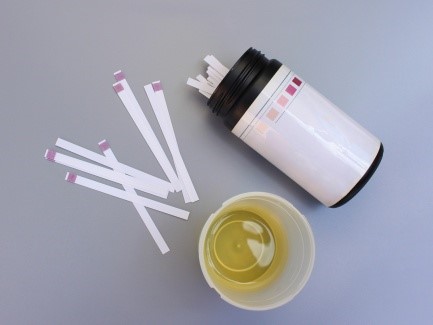
Ketones in urine
High levels of ketones in your body can cause: Tummy (abdominal) pain. Feeling sick (nausea). Being sick (vomiting). Diarrhoea. The ketones that most often appear in the urine when fat instead of glucose for energy is used are called acetoacetate and beta-hydroxybutyric acid. What are the causes of ketones in urine. The causes of high levels of.
Further reading and references
- propionyl-CoA carboxylase subunit beta; MedlinePlus, National Library of Medicine.
- Desviat LR, Perez B, Perez-Cerda C, Rodriguez-Pombo P, Clavero S, Ugarte M. Propionic acidemia: mutation update and functional and structural effects of the variant alleles. Mol Genet Metab. 2004 Sep-Oct;83(1-2):28-37. doi: 10.1016/j.ymgme.2004.08.001.
- Gupta D, Bijarnia-Mahay S, Kohli S, Saxena R, Puri RD, Shigematsu Y, Yamaguchi S, Sakamoto O, Gupta N, Kabra M, Thakur S, Deb R, Verma IC. Seventeen Novel Mutations in PCCA and PCCB Genes in Indian Propionic Acidemia Patients, and Their Outcomes. Genet Test Mol Biomarkers. 2016 Jul;20(7):373-82. doi: 10.1089/gtmb.2016.0017. Epub 2016 May 26.
- Kraus JP, Spector E, Venezia S, Estes P, Chiang PW, Creadon-Swindell G, Mullerleile S, de Silva L, Barth M, Walter M, Walter K, Meissner T, Lindner M, Ensenauer R, Santer R, Bodamer OA, Baumgartner MR, Brunner-Krainz M, Karall D, Haase C, Knerr I, Marquardt T, Hennermann JB, Steinfeld R, Beblo S, Koch HG, Konstantopoulou V, Scholl-Burgi S, van Teeffelen-Heithoff A, Suormala T, Ugarte M, Sperl W, Superti-Furga A, Schwab KO, Grunert SC, Sass JO. Mutation analysis in 54 propionic acidemia patients. J Inherit Metab Dis. 2012 Jan;35(1):51-63. doi: 10.1007/s10545-011-9399-0. Epub 2011 Oct 27.
- Perez-Cerda C, Clavero S, Perez B, Rodriguez-Pombo P, Desviat LR, Ugarte M. Functional analysis of PCCB mutations causing propionic acidemia based on expression studies in deficient human skin fibroblasts. Biochim Biophys Acta. 2003 May 20;1638(1):43-9. doi: 10.1016/s0925-4439(03)00039-5.
Share your thoughts or experiences with others in our patient communities.
Simple access to trusted treatments and health services online.
Common conditions
Get help with common conditions through the NHS, without a GP appointment.





Sign up to the Patient newsletter
Your weekly dose of clear, trustworthy health advice - written to help you feel informed, confident and in control.
By subscribing you accept our Privacy Policy. You can unsubscribe at any time. We never sell your data.