retinoic acid receptor alpha
Last updated 18 Aug 2020
Meets Patient’s editorial guidelines
- DownloadDownload
- Share
- Language
- Discussion
- Ask Patient
- Audio Version
- Add to preferred sources on Google
The RARA gene provides instructions for making a transcription factor called the retinoic acid receptor, alpha (RARα). A transcription factor is a protein that attaches (binds) to specific regions of DNA and helps control the activity of particular genes. The RARα protein controls the activity (transcription) of genes that are important for the maturation (differentiation) of immature white blood cells beyond a particular stage called the promyelocyte.
Video picks for GenesVideo library
Normal function
The RARA gene provides instructions for making a transcription factor called the retinoic acid receptor, alpha (RARα). A transcription factor is a protein that attaches (binds) to specific regions of DNA and helps control the activity of particular genes. The RARα protein controls the activity (transcription) of genes that are important for the maturation (differentiation) of immature white blood cells beyond a particular stage called the promyelocyte.
The RARα protein binds to specific regions of DNA and attracts other proteins that help block (repress) gene transcription, the first step in protein production. In response to a specific signal, the repressive proteins are removed and other proteins that induce gene transcription bind to the RARα protein, allowing gene transcription and cell differentiation.
Conditions referring to this gene or chromosome
Other names
NR1B1
nuclear receptor subfamily 1 group B member 1
RAR
RAR-alpha
retinoic acid receptor, alpha
Patient picks for Genes
Treatment and medication
Alpha-blockers
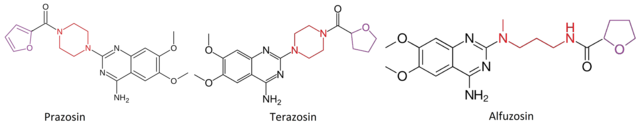
Alpha-blockers are medicines that are mainly used to treat high blood pressure (hypertension) and problems with passing urine in men who have enlargement of the prostate gland. Prostate gland enlargement is also called benign prostatic hyperplasia (BPH).
by Dr Doug McKechnie, MRCGP

Children's health
Alpha-1 antitrypsin deficiency
Alpha-1 antitrypsin deficiency is an inherited genetic condition. A genetic condition is one that can be passed on from parents through genes. In alpha-1 antitrypsin deficiency the result of a genetic abnormality leads to lung and, in some people, liver damage. Lung symptoms are the most common and include shortness of breath, cough and wheezing. Symptoms can worsen over time. At present, there is no cure for alpha-1 antitrypsin deficiency. Treatment aims at slowing down the progression of the disease.
by Dr Philippa Vincent, MRCGP

Skin, nail and hair health
Glycolic acid: skincare benefits, side effects, and more
From anti-ageing to skin colour blemishes and acne, glycolic acid has become a trusted staple in many skincare routines. While it can be used by anyone looking to keep their skin healthy and youthful, glycolic acid is a great skin treatment for those with oily, patchy, or acne prone skin.
by Lynn Stephen

Drug interactions checker
Can I take Folic acid and Solifenacin together?
There are no known interactions between folic acid and solifenacin. It is generally safe to take these two medications together.

Skin, nail and hair health
Hyaluronic acid: skincare benefits, side effects and more
If you're looking to add a serious shot of hydration into your skincare routine, look no further than hyaluronic acid. Unlike other skincare acids, this substance doesn't exfoliate but instead draws in moisture, keeping your skin protected while appearing more youthful.
by Lynn Stephen

Drug interactions checker
Can I take Folic acid and Methotrexate together?
Folic acid can reduce the side effects of methotrexate, but taking it at the wrong time or in very high doses might make the methotrexate less effective at treating your condition.
Related patient information and medicines
Patient information leaflet
Alpha-blockers
Alpha-blockers are medicines that are mainly used to treat high blood pressure (hypertension) and problems with passing urine in men who have enlargement of the prostate gland. Prostate gland enlargement is also called benign prostatic hyperplasia (BPH). What are alpha-blockers used for. In the past, some alpha-blockers were also used to treat.
Patient information leaflet
Alpha-1 antitrypsin deficiency
Alpha-1 antitrypsin deficiency is an inherited genetic condition. A genetic condition is one that can be passed on from parents through genes. What is alpha-1 antitrypsin. Alpha-1 antitrypsin (A1AT) is a protein made by cells in the liver. It passes from the liver into the bloodstream and can travel to the lungs. A genetic condition is o... It was.
Patient information leaflet
Can I take Folic acid and Solifenacin together?
There are no known interactions between folic acid... It is generally safe to take these two medications together. Why this happens Folic acid is a B vitamin used by the body to make new cells, while solifenacin is an antimuscarinic medicine used to treat an overactive bladder. These drugs are processed by different pathways in the body and do not.
Patient information leaflet
Can I take Folic acid and Methotrexate together?
Folic acid can reduce the side effects of methotrexate, but taking it at the wrong time or in very high doses might make the methotrexate less effective at treating your condition. Why this happens Methotrexate works by blocking the body's use of folate (a B vitamin) to stop... Folic acid is a man-made version of folate. While it helps protect.

Patient information leaflet
Can I take Folic acid and Vitamin B12 together?
Taking folic acid on its own can hide (mask) a vitamin B12 deficiency. Using other medicines Taking multiple medicines. Our Medicines Interaction Checker helps you check whether your prescriptions, over-the-counter medicines, and supplements are safe to take together. Simply search for your medicines to see potential interactions and what to do.

Patient information leaflet
Can I take Folic acid and St John's wort together?
There is no known significant interaction between folic acid and St John's wort. It is generally considered safe to take these two together. Why this happens Folic acid is a water-soluble B vitamin, while St John's wort is an herbal remedy primarily used for low mood. They are processed by different pathways in the body and do not interfere with.
Further reading and references
- retinoic acid receptor alpha; MedlinePlus, National Library of Medicine.
- Collins SJ. The role of retinoids and retinoic acid receptors in normal hematopoiesis. Leukemia. 2002 Oct;16(10):1896-905. doi: 10.1038/sj.leu.2402718.
- de The H, Lavau C, Marchio A, Chomienne C, Degos L, Dejean A. The PML-RAR alpha fusion mRNA generated by the t(15;17) translocation in acute promyelocytic leukemia encodes a functionally altered RAR. Cell. 1991 Aug 23;66(4):675-84. doi: 10.1016/0092-8674(91)90113-d.
- Pandolfi PP. Oncogenes and tumor suppressors in the molecular pathogenesis of acute promyelocytic leukemia. Hum Mol Genet. 2001 Apr;10(7):769-75. doi: 10.1093/hmg/10.7.769.
- Salomoni P, Pandolfi PP. The role of PML in tumor suppression. Cell. 2002 Jan 25;108(2):165-70. doi: 10.1016/s0092-8674(02)00626-8.
- Zelent A, Guidez F, Melnick A, Waxman S, Licht JD. Translocations of the RARalpha gene in acute promyelocytic leukemia. Oncogene. 2001 Oct 29;20(49):7186-203. doi: 10.1038/sj.onc.1204766.
Share your thoughts or experiences with others in our patient communities.
Simple access to trusted treatments and health services online.
Common conditions
Get help with common conditions through the NHS, without a GP appointment.





Sign up to the Patient newsletter
Your weekly dose of clear, trustworthy health advice - written to help you feel informed, confident and in control.
By subscribing you accept our Privacy Policy. You can unsubscribe at any time. We never sell your data.