Sep (O-phosphoserine) tRNA:Sec (selenocysteine) tRNA synthase
Last updated 18 Aug 2020
Meets Patient’s editorial guidelines
- DownloadDownload
- Share
- Language
- Discussion
- Ask Patient
- Audio Version
- Add to preferred sources on Google
The SEPSECS gene provides instructions for making an enzyme known as SepSecS. This enzyme is involved in the formation of a molecule called a transfer RNA (tRNA), which is a chemical cousin of DNA that is needed for building proteins. This particular tRNA plays a critical role in the production of a protein building block (amino acid) called selenocysteine (Sec). Selenocysteine contains the chemical element selenium, which is an essential nutrient obtained from the diet.
Video picks for GenesVideo library
Normal function
The SEPSECS gene provides instructions for making an enzyme known as SepSecS. This enzyme is involved in the formation of a molecule called a transfer RNA (tRNA), which is a chemical cousin of DNA that is needed for building proteins. This particular tRNA plays a critical role in the production of a protein building block (amino acid) called selenocysteine (Sec). Selenocysteine contains the chemical element selenium, which is an essential nutrient obtained from the diet.
Proteins that contain selenocysteine are called selenoproteins. Researchers have identified about 25 human selenoproteins with diverse functions. For example, these proteins are involved in antioxidant reactions, which protect cells against compounds called reactive oxygen species that can damage DNA, proteins, and cell membranes. Selenoproteins also play a role in turning on (activating) thyroid hormones and are involved in immune system function and the production of sperm cells. Additionally, studies suggest that selenoproteins are critical for normal brain development and for the function of nerve cells (neurons).
Conditions referring to this gene or chromosome
Other names
liver-pancreas antigen
LP
O-phosphoseryl-tRNA(Sec) selenium transferase
PCH2D
SLA
SLA-p35
SLA/LP
SLA/LP autoantigen
soluble liver antigen
soluble liver antigen/liver pancreas antigen
tRNA(Ser/Sec)-associated antigenic protein
UGA suppressor tRNA-associated protein
Patient picks for Genes

Ear, nose and throat
Could you have a deviated septum?
A deviated septum is when the wall between your two nostrils becomes damaged or shifts out of place. You might be surprised to learn that, while it can seem like a minor issue, it can actually have an impact on your health and how you feel day-to-day. We take a look at what causes a deviated septum, the effects it can have, and what to do if you start experiencing symptoms.
by Victoria Raw
Tests and investigations
Lumbar puncture
A lumbar puncture is used to diagnose meningitis and some other brain and spinal cord disorders.
by Dr Toni Hazell, FRCGP
Heart health and blood vessels
Atrial septal defect
Atrial septal defect (ASD) is a hole (defect) in the wall (septum) between the heart's two upper, or collecting, chambers (atria). One chamber is known as an atrium. The septum separates the heart's left and right side. A septal defect is sometime called a 'hole' in the heart. It is the third most common heart problem that babies are born with. Many defects in the atrial septum close themselves and cause no problems. Otherwise, they can be closed by keyhole procedure or surgery. Most babies born with a defect in the septum have normal survival.
by Dr Colin Tidy, MRCGP

Infections
The meningitis and sepsis warning signs everyone should know
Bacterial meningitis and septicaemia (or sepsis) are serious, life-threatening illnesses and everyone should know the warning signs. We asked Linda Glennie, director of research at Meningitis Research Foundation what you need to know in order to best protect yourself and your family against the diseases.
by Natalie Healey

Health and wellness video library
Meningitis videos
Meningitis can develop quickly and be life-threatening, so knowing the signs and how to respond is crucial. Our clear, easy-to-understand videos cover everything from what meningitis is and what causes it, to how to use the glass test to spot a worrying rash, and the vaccines available to protect you and your family.
by Lawrence Higgins

Infections
Meningitis symptoms students should know: recognising the warning signs early
Recent reports of meningitis cases in the UK have highlighted the importance of recognising the symptoms of meningitis and septicaemia early - particularly among students and young adults.
by Thomas Andrew Porteus, MBCS
Related patient information and medicines
Patient information leaflet
Lumbar puncture
A lumbar puncture is used to diagnose meningitis and some other brain and spinal cord disorders. Note : the information below is a general guide only. The arrangements, and the way tests are performed, may vary between different hospitals. Always follow the instructions given by your doctor, specialist, or local hospital. What is a lumbar.
Patient information leaflet
Atrial septal defect
However, in up to one in five healthy adults a small opening may remain. This is known as a patent foramen ovale (PFO). The ASD is larger than a PFO and may or may not be in the same place as the natural hole. See the leaflet called Anatomy of the the heart Anatomy of the heart and blood vessels for more details about the heart's structure and.
Patient information leaflet
Ventricular septal defect
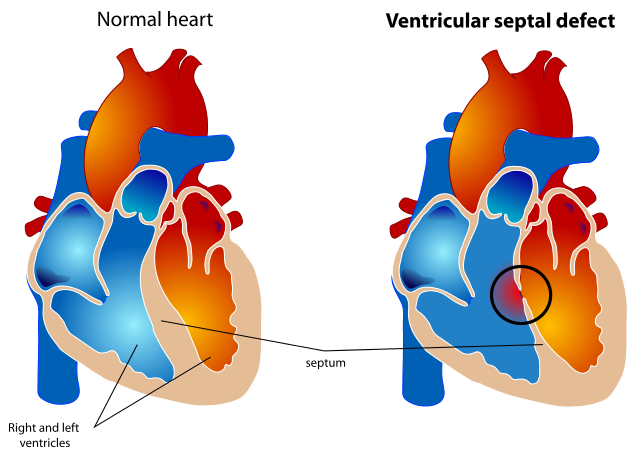
Ventricular septal defect (VSD) is a gap or defect in the septum between the heart's two lower chambers (ventricles). The septum is a wall that separates the heart's right and left side of the heart. Septal defects are sometimes called a 'hole' in the heart. It is the most common heart problem that babies are born with. Many defects in the.

Patient information leaflet
Sepsis
Sepsis is a reaction to severe infection. It can involve many different parts of the body. The germs causing the infection are usually bacteria, but less often can be viruses or fungi. Sepsis is a medical emergency but early treatment in hospital saves lives. If you suspect sepsis - obtain medical help immediately. What is sepsis. Sepsis is a.
Patient information leaflet
Meningococcal vaccine for meningitis
Meningitis is a serious disease which can be fatal, particularly for babies and. Vaccination against the key germs (bacteria) which cause meningitis can be life-saving. All babies are offered the meningococcal vaccine for immunisation against group B and group C meningococcus - with the new MenB vaccine and MenC vaccine. Adolescents are, in.

Patient information leaflet
Symptoms of sepsis in adults
Sepsis is a severe condition that can be fatal if not caught early. Signs and symptoms can be vague or severe. This leaflet will let you know what symptoms to look out for. This leaflet was originally produced in collaboration with The UK Sepsis Trust - it has since been updated. This charity is committed to raising awareness of sepsis and.
Further reading and references
- Sep (O-phosphoserine) tRNA:Sec (selenocysteine) tRNA synthase; MedlinePlus, National Library of Medicine.
- Agamy O, Ben Zeev B, Lev D, Marcus B, Fine D, Su D, Narkis G, Ofir R, Hoffmann C, Leshinsky-Silver E, Flusser H, Sivan S, Soll D, Lerman-Sagie T, Birk OS. Mutations disrupting selenocysteine formation cause progressive cerebello-cerebral atrophy. Am J Hum Genet. 2010 Oct 8;87(4):538-44. doi: 10.1016/j.ajhg.2010.09.007.
- Brown KM, Arthur JR. Selenium, selenoproteins and human health: a review. Public Health Nutr. 2001 Apr;4(2B):593-9. doi: 10.1079/phn2001143.
- Palioura S, Sherrer RL, Steitz TA, Soll D, Simonovic M. The human SepSecS-tRNASec complex reveals the mechanism of selenocysteine formation. Science. 2009 Jul 17;325(5938):321-5. doi: 10.1126/science.1173755.
Share your thoughts or experiences with others in our patient communities.
Simple access to trusted treatments and health services online.
Common conditions
Get help with common conditions through the NHS, without a GP appointment.





Sign up to the Patient newsletter
Your weekly dose of clear, trustworthy health advice - written to help you feel informed, confident and in control.
By subscribing you accept our Privacy Policy. You can unsubscribe at any time. We never sell your data.