serpin family E member 1
Last updated 27 May 2021
Meets Patient’s editorial guidelines
- DownloadDownload
- Share
- Language
- Discussion
- Ask Patient
- Audio Version
- Add to preferred sources on Google
The SERPINE1 gene provides instructions for making a protein called plasminogen activator inhibitor 1 (PAI-1). PAI-1 is involved in normal blood clotting (hemostasis). After an injury, clots protect the body by sealing off damaged blood vessels and preventing further blood loss.
Video picks for GenesVideo library
Normal function
The SERPINE1 gene provides instructions for making a protein called plasminogen activator inhibitor 1 (PAI-1). PAI-1 is involved in normal blood clotting (hemostasis). After an injury, clots protect the body by sealing off damaged blood vessels and preventing further blood loss.
The PAI-1 protein blocks (inhibits) the action of other proteins called plasminogen activators. These proteins, including urokinase plasminogen activator (u-PA) and tissue type plasminogen activator (t-PA), convert an inactive enzyme called plasminogen to its active form, plasmin. Plasmin is involved in fibrinolysis, which is the process of dissolving blood clots. By inhibiting the conversion of plasminogen to plasmin, and thereby preventing fibrinolysis, the PAI-1 protein helps ensure that clots are only dissolved when they are no longer needed to stop bleeding.
In addition to its role in hemostasis, PAI-1 is also thought to be involved in cell movement (migration) and the breakdown and replacement (remodeling) of body tissues.
Conditions referring to this gene or chromosome
Other names
endothelial plasminogen activator inhibitor
PAI
PAI-1
PAI1
PLANH1
plasminogen activator inhibitor 1 precursor
serine (or cysteine) proteinase inhibitor, clade E (nexin, plasminogen activator inhibitor type 1), member 1
serpin E1
serpin peptidase inhibitor, clade E (nexin, plasminogen activator inhibitor type 1), member 1
Patient picks for Genes

Mental health
Not quite 'back to normal': a guide to post-pandemic family healing
When news broke in late 2019 of a virus spreading rapidly across the globe, the word ‘unprecedented’ quickly became part of everyday vocabulary in the months that followed. The outbreak of Covid-19 marked the world’s most significant public health crisis in at least a century, shaking the foundations of the one place we usually feel most secure - the home. It is no surprise that years of disrupted routines have left a lasting mark on the family unit. From the sudden loss of support networks to the blurring of boundaries between home, school, and work, the pandemic reshaped how families function. We spoke with a psychotherapist to explore these long-term psychological ripples and why reflecting on that period is essential for understanding - and healing - the family dynamic today.
by Victoria Raw
Podcasts
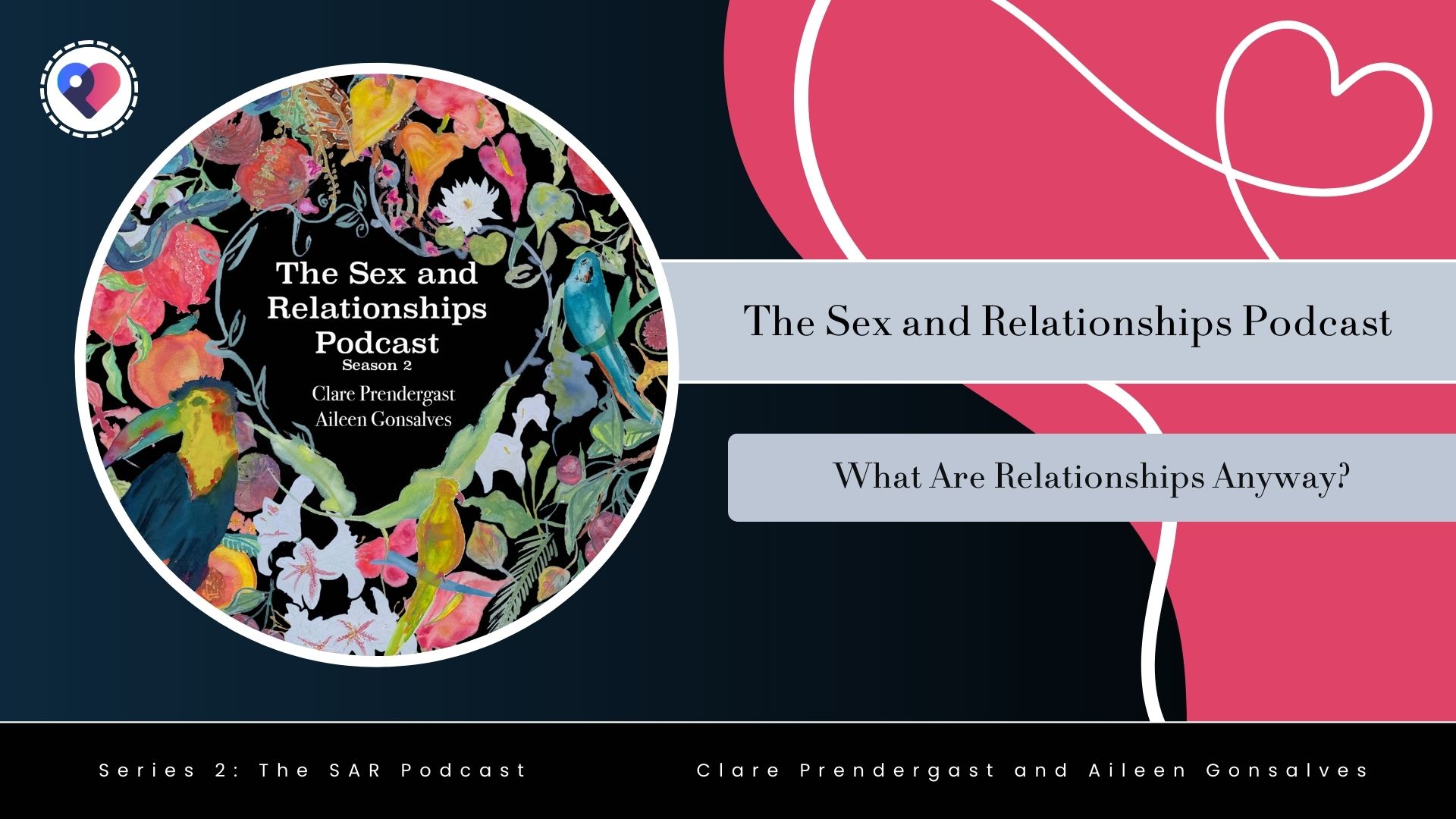
What are relationships anyway?
Relationships – what are they? We often think of relationships as intimate with a partner and yet we actually have hundreds of relationships with friends, family, at work, at play even with nature and beyond. Clare and Aileen kick off the season by discussing the breadth of relationships.
by Thomas Andrew Porteus, MBCS

Podcasts
The parental minefield
How often have you said something quite ordinary to a parent, or they’ve said something to you and suddenly the room feels like it’s about to explode? Welcome to the parental nightmare. It’s not just about conflict, it’s about what’s hidden underneath these relationships – family secrets, unspoken stories, patterns of behaviour passed from one generation to the next. In this episode Clare and Aileen explore the complex, often lifelong, relationship we have with our parents and discuss practical strategies to help you navigate this important relationship.
by Thomas Andrew Porteus, MBCS

COVID-19
How to meet friends and family safely outdoors
Across the UK, lockdowns are easing and we're allowed to see friends and family outside (and indoors too if you live in England or Scotland). But that doesn't mean the risk of spreading COVID-19 has vanished; you still need to take precautions to keep yourself and your loved ones safe.
by Andrea Downey

COVID-19
COVID-19: how to support vulnerable friends and family during the coronavirus pandemic
Current coronavirus lockdown measures are especially challenging for older people and those with mental health issues and underlying health conditions. We look at how to support vulnerable loved ones during the COVID-19 pandemic.
by Sally Turner

Children's health
Pearson syndrome: how one family learned to live in the present
Pearson syndrome is a rare and serious mitochondrial disorder that typically affects infants and young children. There is currently no cure, and it is usually life-threatening. We follow one family’s journey of living with the condition, exploring how it shapes their everyday lives, the challenges they face, and what it truly means to cherish every moment.
by Victoria Raw
Related patient information and medicines
Patient information leaflet
Can I take Fenofibrate and Gabapentin together?
There are no known significant interactions between fenofibrate and gabapentin. These two medicines work in different ways and are processed by different organs in the body. Why this happens Fenofibrate is primarily broken down by the liver and affects blood fats (lipids). Gabapentin is not metabolised by the liver; it is filtered out of the body.

Patient information leaflet
Retinoblastoma
Most commonly, it affects children aged under 2, including newborn babies. It is a tumour of the nerve layer of the retina, which is the light-sensitive membrane at the back of the eye. The tumour grows from t... Siblings of an affected child in a family in which no other family members have had the disease have only a small risk of disease. See.
Patient information leaflet
Alcohol use disorder
Many people drink alcohol. For some, alcohol is something that they enjoy in moderation. Wha... Alcohol use disorder means drinking alcohol in a way that causes harm. If you or a family member has alcohol use disorder then treatment and support can be provided to help you or your family member reduce or stop drinking alcohol. Alcohol use disorder.
Patient information leaflet
Anxiety in children
Parents and carers can get help and advice about children's mental health from Young Minds' free parent helpline on 0808 802 5544, from Monday to Friday, 9.30 am to 4 pm. Tre... Some treatments are offered by local child mental health services and some might be offered by support organisations such as Barnado's or MIND (a mental health charity)..
Patient information leaflet
Marfan syndrome
Marfan syndrome (named after Dr Antoine Marfan, the French doctor who first described it in 1896) is a genetic disorder which people are born with and which lasts lifelong. Marfan syndrome can affect different people in different ways. Some people have mild symptoms; other people have more severe symptoms. You may have a history of Marfan syndrome.
Patient information leaflet
Alzheimer's disease
Alzheimer's disease is a cause of dementia. There is no cure and it can cause a great deal of distress for those affected and their families. However, early diagnosis is important because there is a great deal of support as well as medication that can help. What is Alzheimer's disease. Alzheimer's disease is the most common cause of dementia..
Further reading and references
- serpin family E member 1; MedlinePlus, National Library of Medicine.
- Asselbergs FW, Pattin K, Snieder H, Hillege HL, van Gilst WH, Moore JH. Genetic architecture of tissue-type plasminogen activator and plasminogen activator inhibitor-1. Semin Thromb Hemost. 2008 Sep;34(6):562-8. doi: 10.1055/s-0028-1103367. Epub 2008 Nov 28.
- Fay WP, Parker AC, Condrey LR, Shapiro AD. Human plasminogen activator inhibitor-1 (PAI-1) deficiency: characterization of a large kindred with a null mutation in the PAI-1 gene. Blood. 1997 Jul 1;90(1):204-8.
- Flevaris P, Vaughan D. The Role of Plasminogen Activator Inhibitor Type-1 in Fibrosis. Semin Thromb Hemost. 2017 Mar;43(2):169-177. doi: 10.1055/s-0036-1586228. Epub 2016 Aug 24.
- Heiman M, Gupta S, Lewandowska M, Shapiro AD. Complete Plasminogen Activator Inhibitor 1 Deficiency. 2017 Aug 3 [updated 2023 Feb 23]. In: Adam MP, Bick S, Mirzaa GM, Wallace SE, Amemiya A, editors. GeneReviews(R) [Internet]. Seattle (WA): University of Washington, Seattle; 1993-2026. Available from http://www.ncbi.nlm.nih.gov/books/NBK447152/
- Mehta R, Shapiro AD. Plasminogen activator inhibitor type 1 deficiency. Haemophilia. 2008 Nov;14(6):1255-60. doi: 10.1111/j.1365-2516.2008.01834.x.
- Yasar Yildiz S, Kuru P, Toksoy Oner E, Agirbasli M. Functional stability of plasminogen activator inhibitor-1. ScientificWorldJournal. 2014;2014:858293. doi: 10.1155/2014/858293. Epub 2014 Oct 15.
Share your thoughts or experiences with others in our patient communities.
Simple access to trusted treatments and health services online.
Common conditions
Get help with common conditions through the NHS, without a GP appointment.





Sign up to the Patient newsletter
Your weekly dose of clear, trustworthy health advice - written to help you feel informed, confident and in control.
By subscribing you accept our Privacy Policy. You can unsubscribe at any time. We never sell your data.