thromboxane A synthase 1
Last updated 18 Aug 2020
Meets Patient’s editorial guidelines
- DownloadDownload
- Share
- Language
- Discussion
- Ask Patient
- Audio Version
- Add to preferred sources on Google
The TBXAS1 gene provides instructions for making an enzyme called thromboxane A synthase 1. This enzyme acts as part of a chemical pathway called the arachidonic acid cascade. Through this multistep pathway, a molecule called arachidonic acid is processed to produce several molecules with diverse functions in the body. As part of this pathway, thromboxane A synthase 1 converts a molecule called prostaglandin H2 into another molecule called thromboxane A2. Thromboxane A2 is involved in normal blood clotting (hemostasis), playing critical roles in the narrowing of blood vessels (vasoconstriction) to slow blood flow and the clumping (aggregation) of blood cells called platelets at the site of an injury.
Video picks for GenesVideo library
Normal function
The TBXAS1 gene provides instructions for making an enzyme called thromboxane A synthase 1. This enzyme acts as part of a chemical pathway called the arachidonic acid cascade. Through this multistep pathway, a molecule called arachidonic acid is processed to produce several molecules with diverse functions in the body. As part of this pathway, thromboxane A synthase 1 converts a molecule called prostaglandin H2 into another molecule called thromboxane A2. Thromboxane A2 is involved in normal blood clotting (hemostasis), playing critical roles in the narrowing of blood vessels (vasoconstriction) to slow blood flow and the clumping (aggregation) of blood cells called platelets at the site of an injury.
Studies suggest that the activity of thromboxane A synthase 1 may also be important for bone remodeling, which is a normal process in which old bone is removed and new bone is created to replace it, and for the production of red blood cells in bone marrow.
Conditions referring to this gene or chromosome
Other names
BDPLT14
CYP5
CYP5A1
cytochrome P450 5A1
cytochrome P450, family 5, subfamily A, polypeptide 1
GHOSAL
platelet, cytochrome P450, subfamily V
THAS
THAS_HUMAN
thromboxane A synthase 1 (platelet)
thromboxane A synthase 1 (platelet, cytochrome P450, family 5, subfamily A)
thromboxane-A synthase
TS
TXA synthase
TXAS
TXS
Patient picks for Genes

Chest and lungs
Viral cough
Most coughs are caused by viral infections and usually soon go. This leaflet gives some tips on what to do and discusses which symptoms may indicate a more serious illness. Viral infections commonly affect the throat (larynx), the main airway (trachea), or the airways going into the lungs (bronchi). These infections are sometimes called laryngitis, tracheitis, or bronchitis. Cough is often the main symptom.
by Dr Surangi Mendis, MRCGP

Podcasts
Me and myself
In this episode, Clare and Aileen turn their attention to what they describe as the primary relationship - the relationship we have with ourselves - and why it is so often the one we neglect, misunderstand or actively sideline.
by Thomas Andrew Porteus, MBCS
Infections
Strep A
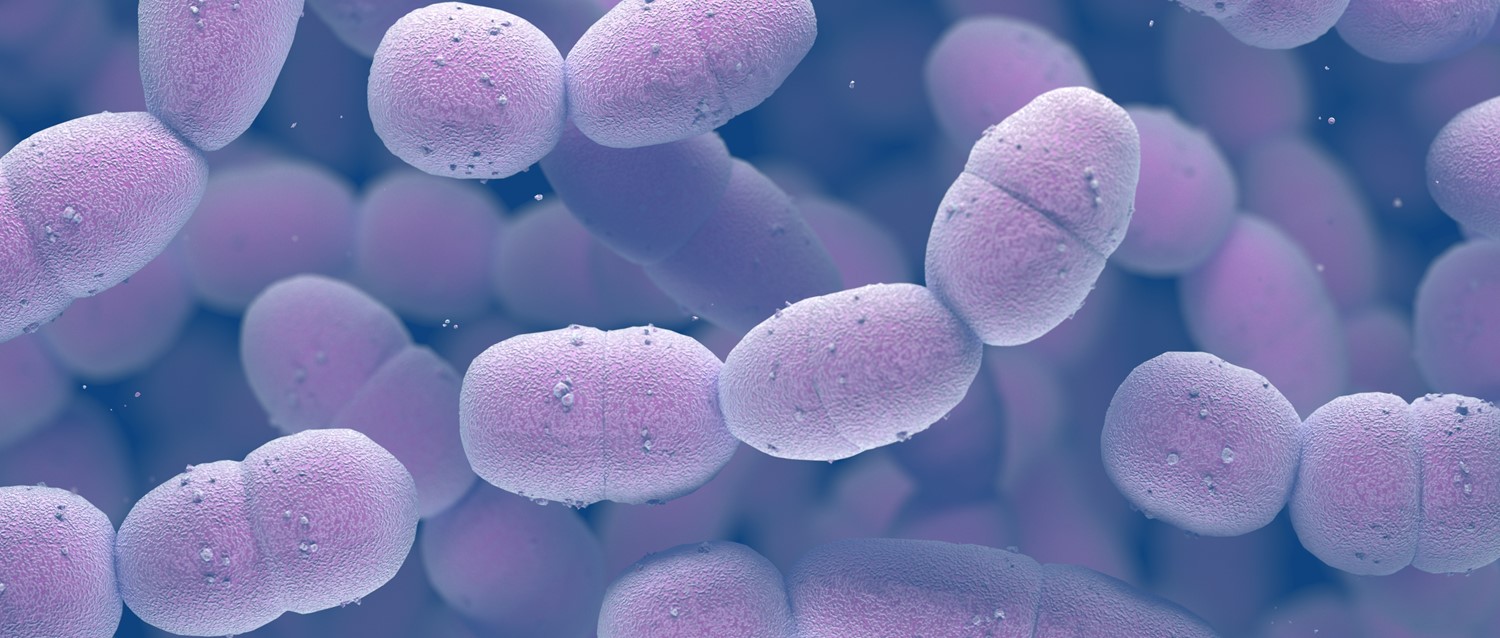
Strep A, or Group A streptococcus, is a common type of bacteria, which has been recognised as a cause of infections for many years. Most Group A streptococcus infections are mild, but in rare cases, these can cause serious illness and even death.
by Dr Colin Tidy, MRCGP

General health
Medical negligence
Most people receive good care from healthcare professionals. Sometimes, people receive poor care. If this happens, they may wish to make a complaint. If sub-standard care has led to avoidable harm, they may also wish to make a claim for compensation for medical negligence.
by Dr Doug McKechnie, MRCGP

Preventative health
Strum the Lute
Strum the Lute mimics gently plucking a musical instrument with a lifted posture and open chest. This movement improves coordination, stability, and focus while promoting calm attention.
Yorkshire talks series 3
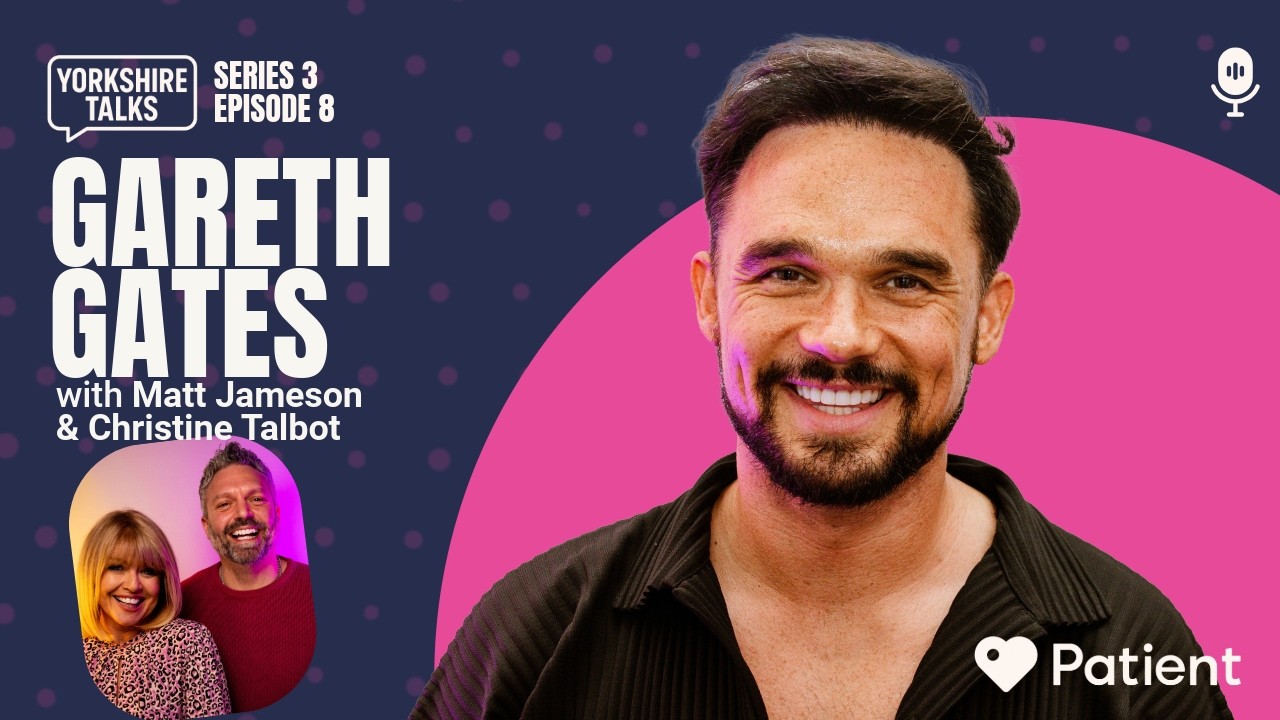
Gareth Gates: "I believed I was defective — my stammer was my superpower" | Yorkshire Talks
In our final episode of Series Three, our Yorkshire Talks guest is former Pop Idol star, producer and performer Gareth Gates. Bradford lad Gareth was first interviewed by Christine for a YTV talent show for young people nearly 30 years ago — so this episode was a bit of a reunion. Now all grown up, Gareth joins Matt and Christine to talk openly and honestly about his journey: from being bullied at school and living with a debilitating stammer, to reaching the final of the very first Pop Idol and having his whole life changed overnight. Gareth explains how taking part in the McGuire Programme has helped him manage his stammer, and how his experiences have shaped the work he does today. He also chats about his role in Boyband in the Buff, currently touring, his journey into becoming a music producer and entrepreneur, and his exciting new project — Speechless, a musical about stammering, due to hit the stage next year. Now a dad himself, with a daughter the same age he was when he first found fame, Gareth reflects on the last few decades with warmth, honesty and plenty of Yorkshire humour. 🎙️ It's a fascinating, funny and incredibly inspiring conversation — one you won't want to miss. If you enjoy the episode, don't forget to LIKE, SUBSCRIBE and leave us a comment. Follow Gareth: 📸 Instagram: @gareth_gates See Gareth on tour: 🎭 Boyband in the Buff is currently on tour. Find tour dates here: [paste official tour dates link] See Gareth in Beauty and the Beast: ✨ Gareth stars as the Beast in Beauty and the Beast at the Britannia Pier, Great Yarmouth, 8–31 December: britannia-pier.co.uk Follow the hosts: Matt Jameson: @matt_d_jameson Christine Talbot: @christineetalbot Yorkshire Talks is presented by Christine Talbot and Matt Jameson, and produced by Simon Fogal at Chapter 81 Studios in Leeds. Proudly sponsored by Patient.info.
Related patient information and medicines

Patient information leaflet
Telogen effluvium
Telogen effluvium (hair loss) is a condition where more than normal amounts of hair fall out. There is a general 'thinning' of the hair. Unlike some other hair and scalp conditions, it is temporary and the hair growth usually recovers. What is telogen effluvium. Telogen effluvium is rapid hair loss that is caused by stress or a change to your.

Patient information leaflet
Wilson's disease
Wilson's disease is a genetic disorder in which copper builds up in the body, mainly in the liver and brain. Without any treatment, the build-up of copper can cause serious symptoms. Treatment is with medication to remove the excess copper and/or to prevent a further build-up of copper. What is Wilson's disease. Wilson's disease is a condition.

Patient information leaflet
Kidney stones
Kidney stones are hard stones that can cause severe pain in your side along with blood in your urine, and nausea and vomiting. You are more likely to develop kidney stones if you eat a Western diet, don't drink enough fluids or are overweight. Once you have had one episode they are likely to recur but there are several kidney stone treatment.
Patient information leaflet
Atrial fibrillation and stroke prevention
The medicines used to prevent a atrial fibrillation-related stroke are called anticoagulants. These help to stop blood clots forming in your blood vessels. Why does atrial fibrillation increase your risk of having a stroke. The main complication of atrial fibrillation (AF) Atrial fibrillation is an increased risk of having a stroke Stroke. AF can.

Patient information leaflet
Haemochromatosis
If treatment is started early enough and before complications occur then the outlook for people with haemochromatosis is very good. Find out more here: [https://patient.info/health/haemochromatosis-leaflet](https://patient.info/health/haemochromatosis-leaflet) People with haemochromatosis have inherited a faulty gene, which directs the body to.

Patient information leaflet
Sickle cell trait
If you inherit a gene from one of your parents, called a sickle cell gene, you have a condition called sickle cell trait. If you inherit a sickle cell gene from both parents, you get a double dose of the sickle cell gene. This causes a condition called sickle cell disease (SCD). What is sickle cell trait. Sickle cell trait means having one gene.
Further reading and references
- thromboxane A synthase 1; MedlinePlus, National Library of Medicine.
- Genevieve D, Proulle V, Isidor B, Bellais S, Serre V, Djouadi F, Picard C, Vignon-Savoye C, Bader-Meunier B, Blanche S, de Vernejoul MC, Legeai-Mallet L, Fischer AM, Le Merrer M, Dreyfus M, Gaussem P, Munnich A, Cormier-Daire V. Thromboxane synthase mutations in an increased bone density disorder (Ghosal syndrome). Nat Genet. 2008 Mar;40(3):284-6. doi: 10.1038/ng.2007.66. Epub 2008 Feb 10.
- Isidor B, Dagoneau N, Huber C, Genevieve D, Bader-Meunier B, Blanche S, Picard C, De Vernejoul MC, Munnich A, Le Merrer M, Cormier-Daire V. A gene responsible for Ghosal hemato-diaphyseal dysplasia maps to chromosome 7q33-34. Hum Genet. 2007 Apr;121(2):269-73. doi: 10.1007/s00439-006-0311-1. Epub 2007 Jan 3.
- Miyata A, Yokoyama C, Ihara H, Bandoh S, Takeda O, Takahashi E, Tanabe T. Characterization of the human gene (TBXAS1) encoding thromboxane synthase. Eur J Biochem. 1994 Sep 1;224(2):273-9. doi: 10.1111/j.1432-1033.1994.00273.x.
Share your thoughts or experiences with others in our patient communities.
Simple access to trusted treatments and health services online.
Common conditions
Get help with common conditions through the NHS, without a GP appointment.





Sign up to the Patient newsletter
Your weekly dose of clear, trustworthy health advice - written to help you feel informed, confident and in control.
By subscribing you accept our Privacy Policy. You can unsubscribe at any time. We never sell your data.