transcription factor AP-2 beta
Last updated 2 May 2023
Meets Patient’s editorial guidelines
- DownloadDownload
- Share
- Language
- Discussion
- Ask Patient
- Audio Version
- Add to preferred sources on Google
The TFAP2B gene provides instructions for making a protein called transcription factor AP-2β. A transcription factor is a protein that attaches (binds) to specific regions of DNA and helps control the activity of particular genes. Transcription factor AP-2β is one of a group of related proteins called AP-2 transcription factors. These proteins regulate genes that help control cell division and the self-destruction of cells that are no longer needed (apoptosis).
Video picks for GenesVideo library
Normal function
The TFAP2B gene provides instructions for making a protein called transcription factor AP-2β. A transcription factor is a protein that attaches (binds) to specific regions of DNA and helps control the activity of particular genes. Transcription factor AP-2β is one of a group of related proteins called AP-2 transcription factors. These proteins regulate genes that help control cell division and the self-destruction of cells that are no longer needed (apoptosis).
Transcription factor AP-2β is involved in development before birth. In particular, this protein is active in the neural crest, which is a group of cells in the early embryo that give rise to many tissues and organs. Neural crest cells migrate to form portions of the nervous system, glands that produce hormones (endocrine glands), pigment cells, smooth muscle and other tissues in the heart, and many tissues in the face and skull. Transcription factor AP-2β also appears to play an important role in the development of the limbs.
Conditions referring to this gene or chromosome
Other names
activating enhancer binding protein 2 beta
AP-2B
AP2-B
AP2-beta
AP2B_HUMAN
MGC21381
transcription factor AP-2 beta (activating enhancer binding protein 2 beta)
Patient picks for Genes

Drug interactions checker
Can I take Apixaban and Atorvastatin together?
There is no significant interaction between apixaban and atorvastatin. It is generally considered safe to take these two medications together.

Drug interactions checker
Can I take Apixaban and Empagliflozin together?
There is no known direct interaction between apixaban and empagliflozin. It is generally considered safe to take these two medications together.

Drug interactions checker
Can I take Apixaban and Metformin together?
There is no known direct interaction between apixaban and metformin. They are generally safe to take together.

Drug interactions checker
Can I take Alogliptin and Apixaban together?
There are no known significant interactions between alogliptin and apixaban. It is generally considered safe to take these two medications together.

Drug interactions checker
Can I take Apixaban and Levomepromazine together?
Taking apixaban and levomepromazine together may increase your risk of bleeding. Levomepromazine can sometimes cause a drop in the number of platelets in your blood (the cells that help your blood clot). When combined with a blood thinner like apixaban, this makes it easier for you to bruise or bleed. Additionally, levomepromazine can cause side effects like dizziness or fainting when you stand up, which increases the risk of falls and subsequent injury while on a blood thinner.

Drug interactions checker
Can I take Amlodipine and Apixaban together?
Taking amlodipine and apixaban together may slightly increase the level of apixaban in your blood. This could potentially increase the risk of bleeding or bruising, although for most people, this effect is very small.
Related patient information and medicines

Patient information leaflet
Can I take Apixaban and Bisoprolol together?
They work in different ways and do not interfere with how the body processes each other. Why this happens Apixaban is an anticoagulant (blood thinner) that works by blocking a clotting factor called Factor Xa. Bisoprolol is a beta-blocker that slows the heart rate and lowers blood pressure. They are processed by different pathways in the liver and.
Patient information leaflet
Can I take Apixaban and Metformin together?
They are generally safe to take together. Why this happens Apixaban is a blood thinner (anticoagulant) and metformin is a medicine for type 2 diabetes. They work in completely different ways in the body and are processed by different organs and enzymes, so they do not interfere with each other. Our Medicines Interaction Checker helps you check.

Patient information leaflet
Can I take Bisoprolol and Trimbow together?
It also makes the formoterol in the Trimbow inhaler less effective at opening your airways. Why this happens Bisoprolol is a 'beta-blocker' and formoterol (in Trimbow) is a 'beta-agonist'. They compete for the same receptors in the lungs. Important precautions Acute breathing distress Bisoprolol is a beta-blocker and can cause narrowing of the.
Patient information leaflet
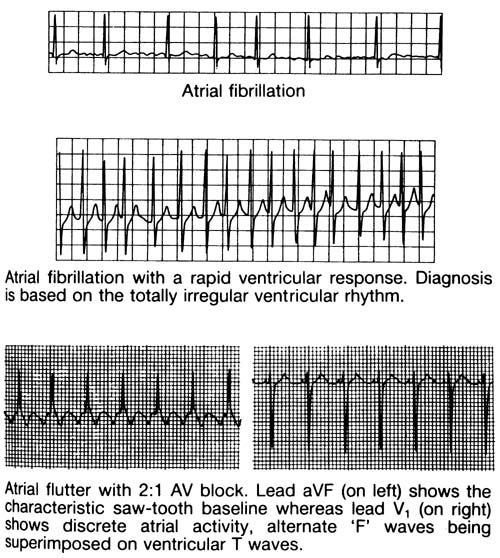
Atrial fibrillation
Several medicines can slow the heart rate down. They include beta-blocker Beta-blockers medicines (such as atenolol Atenolol - a beta-blocker and propranolol Propranolol - a beta-blocker ), calcium-channel blocker medicines Calcium channel blockers (such as diltiazem Diltiazem and verapamil Verapamil - a calcium-channel blocker ) and digoxin.

Patient information leaflet
Can I take Apixaban and Rybelsus together?
These two medicines work in different ways and do not typically interfere with how the other is absorbed, broken down, or removed from the body. Why this happens Apixaban is an anticoagulant (blood thinner) that works by blocking a clotting factor called Factor Xa. Rybelsus is a GLP-1 receptor agonist used for type 2 diabetes that mimics a natural.

Patient information leaflet
Can I take Apixaban and Fibre supplements together?
It is best to stick to moderate drinking limits. Using other medicines Taking multiple medicines. Our Medicines Interaction Checker helps you check whether your prescriptions, over-the-counter medicines, and supplements are safe to take together. Simply search for your medicines to see potential interactions and what to do about them. Disclaimer.
Further reading and references
- transcription factor AP-2 beta; MedlinePlus, National Library of Medicine.
- Hilger-Eversheim K, Moser M, Schorle H, Buettner R. Regulatory roles of AP-2 transcription factors in vertebrate development, apoptosis and cell-cycle control. Gene. 2000 Dec 30;260(1-2):1-12. doi: 10.1016/s0378-1119(00)00454-6.
- Maeda S, Tsukada S, Kanazawa A, Sekine A, Tsunoda T, Koya D, Maegawa H, Kashiwagi A, Babazono T, Matsuda M, Tanaka Y, Fujioka T, Hirose H, Eguchi T, Ohno Y, Groves CJ, Hattersley AT, Hitman GA, Walker M, Kaku K, Iwamoto Y, Kawamori R, Kikkawa R, Kamatani N, McCarthy MI, Nakamura Y. Genetic variations in the gene encoding TFAP2B are associated with type 2 diabetes mellitus. J Hum Genet. 2005;50(6):283-292. doi: 10.1007/s10038-005-0253-9. Epub 2005 Jun 7.
- Mani A, Radhakrishnan J, Farhi A, Carew KS, Warnes CA, Nelson-Williams C, Day RW, Pober B, State MW, Lifton RP. Syndromic patent ductus arteriosus: evidence for haploinsufficient TFAP2B mutations and identification of a linked sleep disorder. Proc Natl Acad Sci U S A. 2005 Feb 22;102(8):2975-9. doi: 10.1073/pnas.0409852102. Epub 2005 Jan 31.
- Satoda M, Zhao F, Diaz GA, Burn J, Goodship J, Davidson HR, Pierpont ME, Gelb BD. Mutations in TFAP2B cause Char syndrome, a familial form of patent ductus arteriosus. Nat Genet. 2000 May;25(1):42-6. doi: 10.1038/75578.
- Tsukada S, Tanaka Y, Maegawa H, Kashiwagi A, Kawamori R, Maeda S. Intronic polymorphisms within TFAP2B regulate transcriptional activity and affect adipocytokine gene expression in differentiated adipocytes. Mol Endocrinol. 2006 May;20(5):1104-11. doi: 10.1210/me.2005-0311. Epub 2005 Dec 22.
- Zhao F, Weismann CG, Satoda M, Pierpont ME, Sweeney E, Thompson EM, Gelb BD. Novel TFAP2B mutations that cause Char syndrome provide a genotype-phenotype correlation. Am J Hum Genet. 2001 Oct;69(4):695-703. doi: 10.1086/323410. Epub 2001 Aug 14.
Share your thoughts or experiences with others in our patient communities.
Simple access to trusted treatments and health services online.
Common conditions
Get help with common conditions through the NHS, without a GP appointment.





Sign up to the Patient newsletter
Your weekly dose of clear, trustworthy health advice - written to help you feel informed, confident and in control.
By subscribing you accept our Privacy Policy. You can unsubscribe at any time. We never sell your data.