How do cells divide?
Meets Patient’s editorial guidelines
- DownloadDownload
- Share
- Language
- Discussion
- Ask Patient
- Audio Version
- Add to preferred sources on Google
There are two types of cell division: mitosis and meiosis. Most of the time when people refer to “cell division,” they mean mitosis, the process of making new body cells. Meiosis is the type of cell division that creates egg and sperm cells.
Video picks for Understanding geneticsVideo library
Overview
There are two types of cell division: mitosis and meiosis. Most of the time when people refer to “cell division,” they mean mitosis, the process of making new body cells. Meiosis is the type of cell division that creates egg and sperm cells.
Mitosis is a fundamental process for life. During mitosis, a cell duplicates all of its contents, including its chromosomes, and splits to form two identical daughter cells. Because this process is so critical, the steps of mitosis are carefully controlled by certain genes. When mitosis is not regulated correctly, health problems such as cancer can result.
The other type of cell division, meiosis, ensures that humans have the same number of chromosomes in each generation. It is a two-step process that reduces the chromosome number by half—from 46 to 23—to form sperm and egg cells. When the sperm and egg cells unite at conception, each contributes 23 chromosomes so the resulting embryo will have the usual 46. Meiosis also allows genetic variation through a process of gene shuffling while the cells are dividing.
Patient picks for Understanding genetics
Pregnancy
Video: How do you calculate a due date?
From the moment you suspect you might be pregnant, all thoughts turn towards the baby. There will be a million questions racing through your mind, and we've picked a handful to put to our experts.
by Lydia Smith
Sexual health
Video: How does PID affect fertility?
Whether the cause of your pelvic inflammatory disease is as a result of an STI or not, you're bound to have a lot of questions about your condition. Our experts are here to help.
by Dr Sarah Jarvis
Podcasts
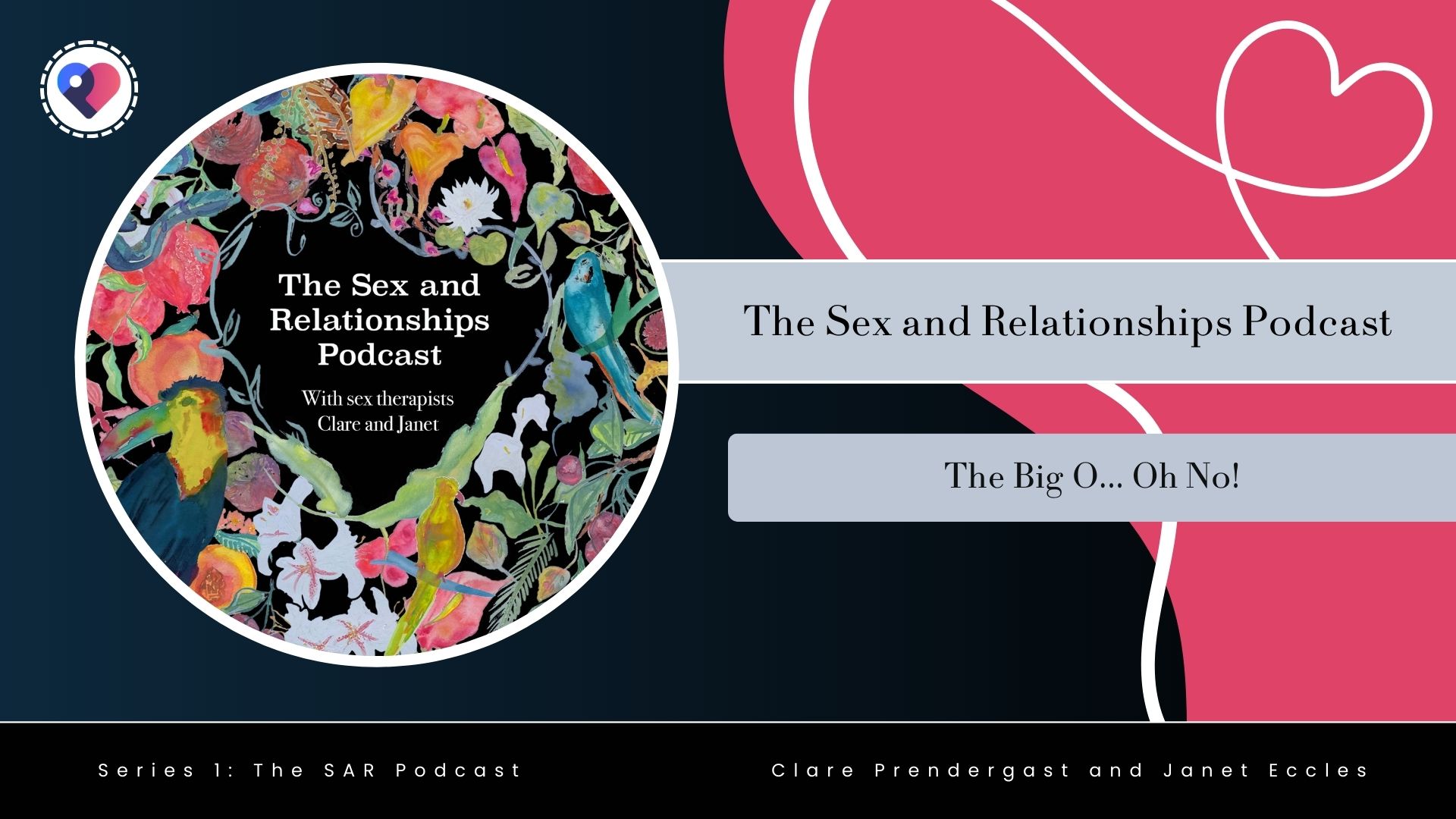
The Big O... Oh No!
Clare and Janet discuss orgasms - and what can help if it isn’t happening for you or your partner. Also the myths surrounding female orgasm. Do you really know what the clitoris looks like?!
by Thomas Andrew Porteus, MBCS

Podcasts
Surviving holidays
Holidays, thanksgiving, Christmas, birthdays - those special, wonderful moments we dream of. But if you’ve ever walked away from a Christmas dinner or a family holiday wondering what on earth went wrong - this podcast is for you.
by Thomas Andrew Porteus, MBCS
Health research
How do the clinical trial phases work?
If you're volunteering for a clinical trial, it's important to know what 'trial phase' you'll take part in. Clinical trial phases investigate different aspects of a treatment, work in different ways, and come with their own set of benefits and safety considerations.
by Amberley Davis

General health and lifestyle
Ideas, Concerns and Expectations - a guide to filling in your GP’s online form
Booking a GP appointment has changed. Instead of waiting on the phone line at 8am, many people now complete an online consultation form through their practice website. At first glance, it may feel like another bureaucratic hurdle. But in fact, these forms are designed to help you, and your GP team, get to the heart of your problem more quickly. The way you fill them in makes a real difference. When you provide clear, thoughtful information, it not only helps the practice decide whether something is urgent, but also ensures you are directed to the right person in the wider primary care team. That might be your GP - but it could just as easily be a nurse, a pharmacist, a physiotherapist, or another professional who can meet your needs sooner. One of the simplest tools to guide you is known as Ideas, Concerns and Expectations, or ICE.
by Thomas Andrew Porteus, MBCS
Related patient information and medicines
Patient information leaflet
Chemotherapy
The term chemotherapy has come to mean a treatment of cancer by using anti-cancer medicines called cytotoxic medicines What is chemotherapy. However, the term chemotherapy has come to mean a treatment of cancer by using anti-cancer medicines called cytotoxic medicines (also called cytotoxic drugs). For example, some work by affecting the cells'.

Patient information leaflet
Ageing
There is a lot of research going on into this very question. The change that comes with age (the ageing process) is due to complex goings on inside the body. This is not yet fully understood, but some of the many mechanisms that seem to be involved include the following: Cells, the building blocks of the body, divide in order to produce new cells.
Patient information leaflet
Childhood leukaemias
Leukaemia is a cancer of the cells which develop into blood cells. The outlook (prognosis) for children with leukaemia is us... This leaflet gives a general overview of childhood leukaemias. Leukaemia is a cancer of cells in the bone marrow (the cells which develop into blood cells). Blood cells These can be seen under a microscope and make up.
Patient information leaflet
Polycythaemia rubra vera
Polycythaemia rubra vera (PRV) is a myeloproliferative disorder, which means the bone marrow makes too many blood cells. There is an abnormally high number of red blood cells in your blood. You may also have an abnormally high number ... Blood cells, which can be seen under a microscope, make up about 40% of the blood's volume. Blood cells are.

Patient information leaflet
Blood tests
The main reasons to know your blood group are if you need to have a blood transfusion or if you are pregnant. You cannot request a blood test just to know your blood group on the NHS. Blood cells These can be seen under a microscope and make up about 40% of the blood's volume. Blood cells are made in the bone marrow by blood 'stem' cells. Blood.

Patient information leaflet
Acute lymphoblastic leukaemia
The immature cells are called lymphoblasts. There are various subtypes of ALL. For example, the abnormal lymphoblasts can be immature B or T lymphocytes. It affects around 200 adults in the UK each year. A leukaemia is thought to start first from one abnormal cell. What seems to happen is that certain vital genes which control how cells divide,.
Further reading and references
- How do cells divide?; MedlinePlus, National Library of Medicine.
Share your thoughts or experiences with others in our patient communities.
Simple access to trusted treatments and health services online.
Common conditions
Get help with common conditions through the NHS, without a GP appointment.





Sign up to the Patient newsletter
Your weekly dose of clear, trustworthy health advice - written to help you feel informed, confident and in control.
By subscribing you accept our Privacy Policy. You can unsubscribe at any time. We never sell your data.