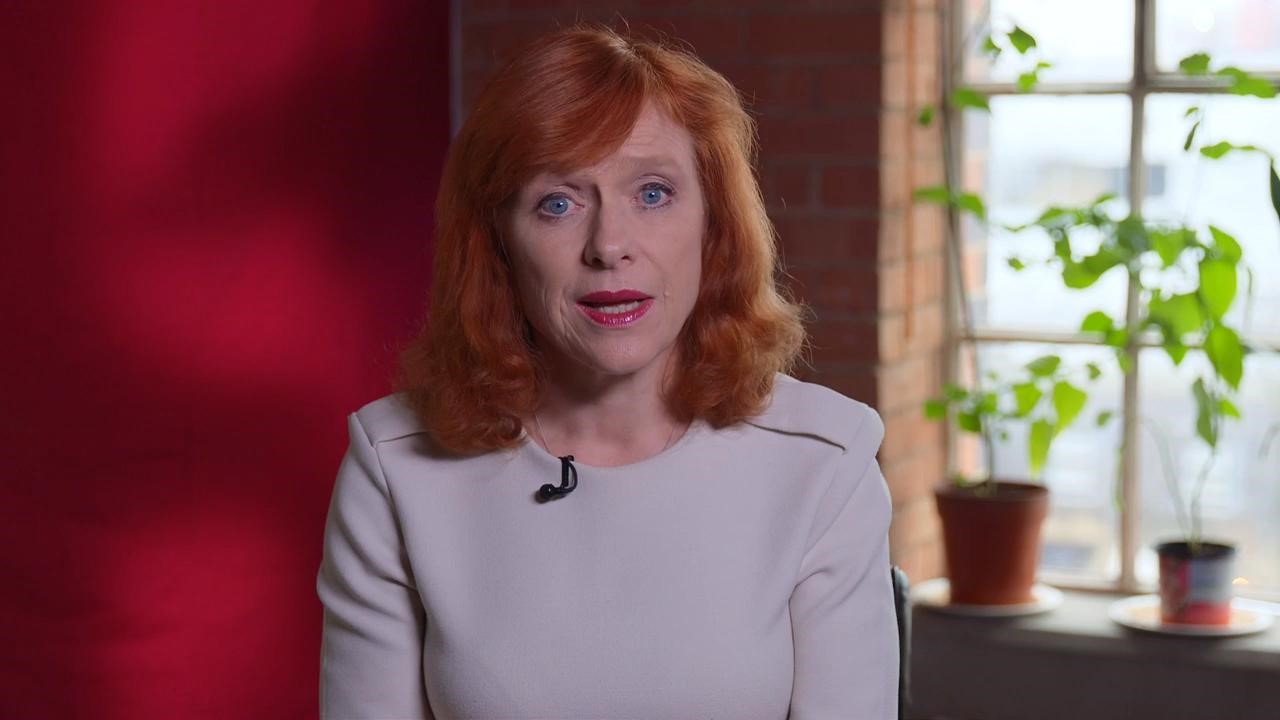
Video: How does PID affect fertility?
Peer reviewed by Dr Hayley Willacy, FRCGP Authored by Dr Sarah JarvisOriginally published 18 Mar 2018
Meets Patient’s editorial guidelines
- DownloadDownload
- Share
- Language
- Discussion
- Audio Version
- Add to preferred sources on Google
Whether the cause of your pelvic inflammatory disease is as a result of an STI or not, you're bound to have a lot of questions about your condition. Our experts are here to help.
Playlist: PID Q&A
5 videos
How do you contract PID?
Dr Sarah Jarvis
How do you contract PID?
Dr. Sarah Jarvis

How do you diagnose PID?
Dr. Sarah Jarvis

How does PID affect fertility?
Dr. Sarah Jarvis

Does PID cause bleeding?
Dr. Sarah Jarvis

How do you treat PID?
Dr. Sarah Jarvis
Patient picks for Women's sexual health

Sexual health
What can cause low libido in women?
If your desire for sex has taken a dip, dont worry, low libido in women is a common problem that tends to be both temporary and fixable. The first step is to pinpoint the cause.
by Amberley Davis

Sexual health
How to treat vaginismus
Vaginismus is when your vaginal muscles involuntarily tighten when you try to insert something into it. It can make having sex impossible or very painful. We find out what it’s like to live with the condition and how you can treat it to alleviate your symptoms.
by Sally Turner
About the authorView full bio
Authored by

Dr Sarah Jarvis
Clinical Consultant
MA (Cantab), BM, BCh (Oxon), DRCOG, FRCGP, MBE
After training in medicine at Cambridge and Oxford, Dr Sarah Jarvis MBE became a GP.
About the reviewerView full bio

Dr Hayley Willacy, FRCGP
General Practitioner, Medical Author
MBChB (1992), DRCOG, DFFP, MRCOG (Part 1) MRCGP (2007), DFSRH (2013), MSc - medical education (2020)
Dr Hayley Willacy was an NHS GP working in northwest England, who retired from clinical practice in 2022 after 30 years.
Article history
Article also available in English, German, Spanish, French, Italian, Portuguese, Hindi, Hebrew, Arabic, and Swedish.
18 Mar 2018 | Originally published
Authored by:
Dr Sarah JarvisPeer reviewed by
Dr Hayley Willacy, FRCGP
Join the conversation
Share your thoughts or experiences with others in our patient communities.

Ask, share, connect.
Browse discussions, ask questions, and share experiences across hundreds of health topics.

Feeling unwell?
Assess your symptoms online for free
Sign up to the Patient newsletter
Your weekly dose of clear, trustworthy health advice - written to help you feel informed, confident and in control.
By subscribing you accept our Privacy Policy. You can unsubscribe at any time. We never sell your data.