Can genes be turned on and off in cells?
Meets Patient’s editorial guidelines
- DownloadDownload
- Share
- Language
- Discussion
- Ask Patient
- Audio Version
- Add to preferred sources on Google
Each cell expresses, or turns on, only a fraction of its genes at any given time. The rest of the genes are repressed, or turned off. The process of turning genes on and off is known as gene regulation. Gene regulation is an important part of normal development. Genes are turned on and off in different patterns during development to make a brain cell look and act different from a liver cell or a muscle cell, for example. Gene regulation also allows cells to react quickly to changes in their environments. Although we know that the regulation of genes is critical for life, this complex process is not yet fully understood.
Video picks for Understanding geneticsVideo library
Overview
Each cell expresses, or turns on, only a fraction of its genes at any given time. The rest of the genes are repressed, or turned off. The process of turning genes on and off is known as gene regulation. Gene regulation is an important part of normal development. Genes are turned on and off in different patterns during development to make a brain cell look and act different from a liver cell or a muscle cell, for example. Gene regulation also allows cells to react quickly to changes in their environments. Although we know that the regulation of genes is critical for life, this complex process is not yet fully understood.
Gene regulation can occur at any point during gene expression, but most commonly occurs at the level of transcription (when the information in a gene’s DNA is passed to mRNA). Signals from the environment or from other cells activate proteins called transcription factors. These proteins bind to regulatory regions of a gene and increase or decrease the level of transcription. By controlling the level of transcription, this process can determine when and how much protein product is made by a gene.
Patient picks for Understanding genetics

Cancer
BRCA genes
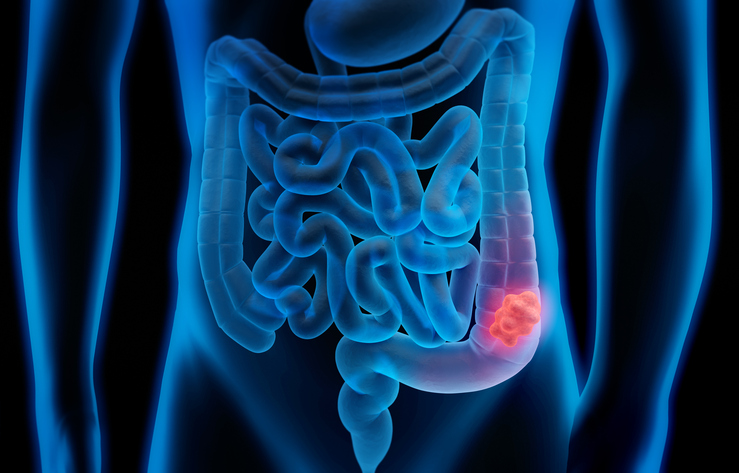
There are a few known gene changes (mutations) that can increase the risk of certain cancers, and tests available for some of them, including BRCA1 and BRCA2 gene mutations. The BRCA1 and BRCA2 genes normally protect against certain cancers, particularly breast cancer and ovarian cancer. If there is a mutation in one of these genes then this may mean that the protection is lost and that a cancer is more likely to develop.
by Dr Colin Tidy, MRCGP
Cancer
Bowel cancer
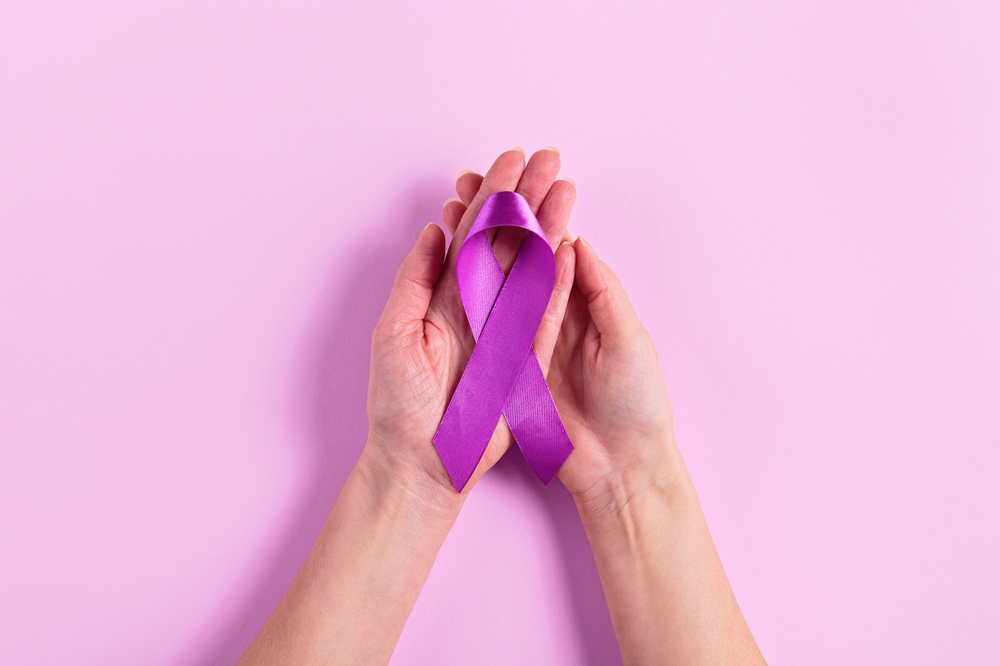
Colon cancer and rectal cancer (also called colorectal cancer) are common in the UK. The colon and rectum are parts of your bowel. Most cases occur in people aged over 50. If bowel cancer is diagnosed at an early stage, there is a good chance of a cure. In general, the more advanced the cancer (the more it has grown and spread), the less chance that treatment will be curative. However, treatment can often slow the progress of the cancer.
by Dr Doug McKechnie, MRCGP
Cancer
Pancreatic cancer - recognising the symptoms that can be easy to dismiss
Pancreatic cancer can hide behind seemingly ordinary symptoms, and is often mistaken for more common conditions - such as indigestion. Potential warning signs may go unnoticed, and can be easily overlooked indicators of something more serious. In the UK, twenty-nine people are newly diagnosed with the disease each day. But recognising the symptoms early, receiving a diagnosis, and getting medical treatment quickly can increase your chances of survival and recovery.
by Hannah Boynton-Forshaw

Healthy living
Can you blame your weight on your genes?
It's said 'you are what you eat'. But why can some people eat whatever they like without putting on a pound, while others have to watch every morsel they put into their mouth and count each calorie they consume?
by Kerry Taylor-Smith

Podcasts
The arousal paradox
When Porn or Hollywood are your sex educators, it can get confusing when things don’t work that way for us! Why is it that the things that are supposed to turn us on, sometimes turn us off? How come we can be so different from our partners? Clare and Janet mine the myriad of contradictions in partnered sex.
by Thomas Andrew Porteus, MBCS

General health and lifestyle
Ideas, Concerns and Expectations - a guide to filling in your GP’s online form
Booking a GP appointment has changed. Instead of waiting on the phone line at 8am, many people now complete an online consultation form through their practice website. At first glance, it may feel like another bureaucratic hurdle. But in fact, these forms are designed to help you, and your GP team, get to the heart of your problem more quickly. The way you fill them in makes a real difference. When you provide clear, thoughtful information, it not only helps the practice decide whether something is urgent, but also ensures you are directed to the right person in the wider primary care team. That might be your GP - but it could just as easily be a nurse, a pharmacist, a physiotherapist, or another professional who can meet your needs sooner. One of the simplest tools to guide you is known as Ideas, Concerns and Expectations, or ICE.
by Thomas Andrew Porteus, MBCS
Related patient information and medicines
Patient information leaflet
BRCA genes
There are a few known gene changes (mutations) that can increase the risk of certain cancers, and tests available for some of them, including BRCA1 and BRCA2 gene mutations. What is the BRCA gene. We all have 46 chromosomes in our cells. Chromosomes are made from DNA (deoxyribonucleic acid). Genes are short sections of DNA and each chromosome.

Patient information leaflet
Mastocytosis and mast cell disorders
A mast cell is a type of white blood cell. There are several forms of mastocytosis. What causes mast cell disorders. It is suspected that there is a fault in the gene (the material inherited from your parents) that controls mast cell production. Triggers for mastocytosis symptoms Although not strictly speaking the cause of mastocytosis, a number.
Patient information leaflet
Sickle cell trait
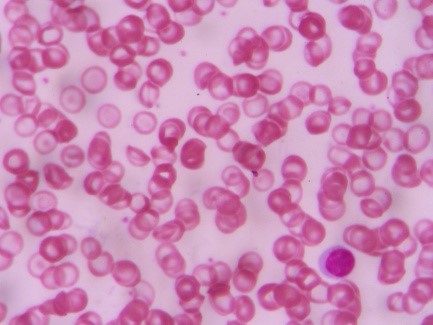
If you inherit a gene from one of your parents, called a sickle cell gene, you have a condition called sickle cell trait. If you inherit a sickle cell gene from both parents, you get a double dose of the sickle cell gene. This causes a condition called sickle cell disease (SCD). What is sickle cell trait. Sickle cell trait means having one gene.
Patient information leaflet
Sickle cell disease
Sickle cell disease (SCD) is a serious, inherited condition affecting the blood and various organs in the body. It affects the red blood cells, causing episodes of 'sickling', which produce episodes of pain and other symptoms. Good treatment, started early in life, can prevent complications. It affects the red blood cells in the blood. Sickle cell.
Patient information leaflet
Stem cell transplant
A stem cell transplant is where blood stem cells (the cells produced by the bone marrow to turn into different types of blood cells) are put back into your body when your bone marrow has been destroyed and cannot make stem cells itself. The bone marrow can be destroyed by diseases such as cancer, chemotherapy or radiotherapy. It is used to.
Patient information leaflet
Can I take Maitake and Shiitake together?
Ou... Simply search for your medicines to see potential interactions and what to do about them. Disclaimer This information is for general educational purposes only and should not be relied upon as a substitute for professional medical advice. Always consult your GP, pharmacist, or another qualified healthcare professional before making decisions.
Further reading and references
- Can genes be turned on and off in cells?; MedlinePlus, National Library of Medicine.
Share your thoughts or experiences with others in our patient communities.
Simple access to trusted treatments and health services online.
Common conditions
Get help with common conditions through the NHS, without a GP appointment.





Sign up to the Patient newsletter
Your weekly dose of clear, trustworthy health advice - written to help you feel informed, confident and in control.
By subscribing you accept our Privacy Policy. You can unsubscribe at any time. We never sell your data.