Can genes be patented?
Meets Patient’s editorial guidelines
- DownloadDownload
- Share
- Language
- Discussion
- Ask Patient
- Audio Version
- Add to preferred sources on Google
A gene patent is the exclusive rights to a specific sequence of DNA (a gene) given by a government to the individual, organisation, or corporation who claims to have first identified the gene. Once granted a gene patent, the holder of the patent dictates how the gene can be used, in both commercial settings, such as clinical genetic testing, and in noncommercial settings, including research, for 20 years from the date of the patent. Gene patents have often resulted in companies having sole ownership of genetic testing for patented genes.
Video picks for Understanding geneticsVideo library
Overview
A gene patent is the exclusive rights to a specific sequence of DNA (a gene) given by a government to the individual, organisation, or corporation who claims to have first identified the gene. Once granted a gene patent, the holder of the patent dictates how the gene can be used, in both commercial settings, such as clinical genetic testing, and in noncommercial settings, including research, for 20 years from the date of the patent. Gene patents have often resulted in companies having sole ownership of genetic testing for patented genes.
On June 13, 2013, in the case of the Association for Molecular Pathology v. Myriad Genetics, Inc., the Supreme Court of the United States ruled that human genes cannot be patented in the U.S. because DNA is a "product of nature." The Court decided that because nothing new is created when discovering a gene, there is no intellectual property to protect, so patents cannot be granted. Prior to this ruling, more than 4,300 human genes were patented. The Supreme Court's decision invalidated those gene patents, making the genes accessible for research and for commercial genetic testing.
The Supreme Court's ruling did allow that DNA manipulated in a lab is eligible to be patented because DNA sequences altered by humans are not found in nature. The Court specifically mentioned the ability to patent a type of DNA known as complementary DNA (cDNA). This synthetic DNA is produced from the molecule that serves as the instructions for making proteins (called messenger RNA).
Patient picks for Understanding genetics
Cancer
Pancreatic cancer - recognising the symptoms that can be easy to dismiss
Pancreatic cancer can hide behind seemingly ordinary symptoms, and is often mistaken for more common conditions - such as indigestion. Potential warning signs may go unnoticed, and can be easily overlooked indicators of something more serious. In the UK, twenty-nine people are newly diagnosed with the disease each day. But recognising the symptoms early, receiving a diagnosis, and getting medical treatment quickly can increase your chances of survival and recovery.
by Hannah Boynton-Forshaw
Cancer
Preventing skin cancer
Some skin cancers can be partly prevented by protecting yourself from the sun, not smoking, and generally taking care of your health. Some kinds of skin cancer can't be prevented however, because they are caused by something going wrong in your genes: this is beyond your control.
by Dr Oliver Starr, MRCGP
Cancer
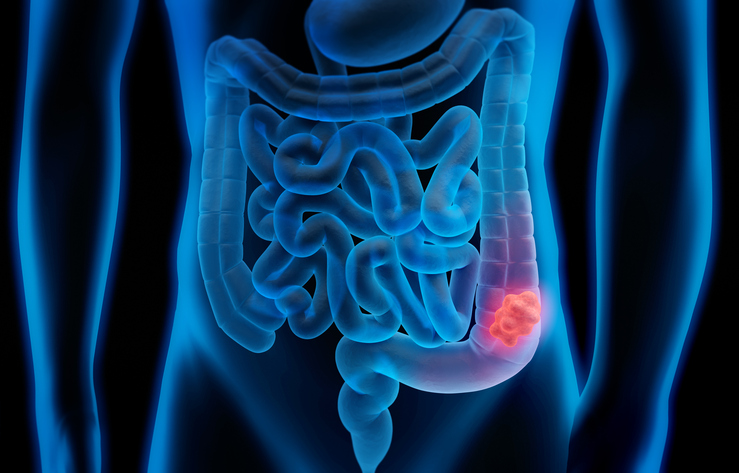
Bowel cancer
Colon cancer and rectal cancer (also called colorectal cancer) are common in the UK. The colon and rectum are parts of your bowel. Most cases occur in people aged over 50. If bowel cancer is diagnosed at an early stage, there is a good chance of a cure. In general, the more advanced the cancer (the more it has grown and spread), the less chance that treatment will be curative. However, treatment can often slow the progress of the cancer.
by Dr Doug McKechnie, MRCGP

Men's health
Penile cancer
Penile cancer is a cancer that develops on the penis. A cancerous (malignant) tumour starts from one abnormal cell. The exact reason why a cell becomes cancerous is unclear. It is thought that something damages or alters certain genes in the cell. This makes the cell abnormal and multiply 'out of control'. See the separate leaflet called Causes of cancer for more details.
by Dr Doug McKechnie, MRCGP

Cancer
BRCA genes
There are a few known gene changes (mutations) that can increase the risk of certain cancers, and tests available for some of them, including BRCA1 and BRCA2 gene mutations. The BRCA1 and BRCA2 genes normally protect against certain cancers, particularly breast cancer and ovarian cancer. If there is a mutation in one of these genes then this may mean that the protection is lost and that a cancer is more likely to develop.
by Dr Colin Tidy, MRCGP
Cancer
Stomach cancer
Although stomach (gastric) cancer is common worldwide, it is not so common in the UK. Most cases occur in people over the age of 55. If stomach cancer is diagnosed at an early stage, there is a good chance of a cure. In general, the more advanced the cancer (the more it has grown and spread), the less chance that treatment will be curative. However, treatment can often slow the progress of the cancer.
by Dr Doug McKechnie, MRCGP
Related patient information and medicines
Patient information leaflet
BRCA genes
There are a few known gene changes (mutations) that can increase the risk of certain cancers, and tests available for some of them, including BRCA1 and BRCA2 gene mutations. The BRCA1 and BRCA2 genes normally protect against certain cancers, particularly breast cancer and ovarian cancer. If there is a mutation in one of these genes then this may.

Patient information leaflet
Can I take Chaga and Shiitake together?
Ou... Simply search for your medicines to see potential interactions and what to do about them. Disclaimer This information is for general educational purposes only and should not be relied upon as a substitute for professional medical advice. Always consult your GP, pharmacist, or another qualified healthcare professional before making decisions.
Patient information leaflet
Can I take Lactulose and Pregabalin together?
Simply search for your medicines to see potential interactions and w... Disclaimer This information is for general educational purposes only and should not be relied upon as a substitute for professional medical advice. Always consult your GP, pharmacist, or another qualified healthcare professional before making decisions about your medications..

Patient information leaflet
Can I take Mirabegron and Tamsulosin together?
Ou... Simply search for your medicines to see potential interactions and what to do about them. Disclaimer This information is for general educational purposes only and should not be relied upon as a substitute for professional medical advice. Always consult your GP, pharmacist, or another qualified healthcare professional before making decisions.
Patient information leaflet
Can I take Berberine and Nexplanon together?
Grapefruit juice can inhibit these enzymes, potentially leading to hi... Using other medicines Taking multiple medicines. Our Medicines Interaction Checker helps you check whether your prescriptions, over-the-counter medicines, and supplements are safe to take together. Simply search for your medicines to see potential interactions and what to do.
Patient information leaflet
Can I take Diazepam and Tirzepatide together?
Ou... Simply search for your medicines to see potential interactions and what to do about them. Disclaimer This information is for general educational purposes only and should not be relied upon as a substitute for professional medical advice. Always consult your GP, pharmacist, or another qualified healthcare professional before making decisions.
Further reading and references
- Can genes be patented?; MedlinePlus, National Library of Medicine.
Share your thoughts or experiences with others in our patient communities.
Simple access to trusted treatments and health services online.
Common conditions
Get help with common conditions through the NHS, without a GP appointment.





Sign up to the Patient newsletter
Your weekly dose of clear, trustworthy health advice - written to help you feel informed, confident and in control.
By subscribing you accept our Privacy Policy. You can unsubscribe at any time. We never sell your data.