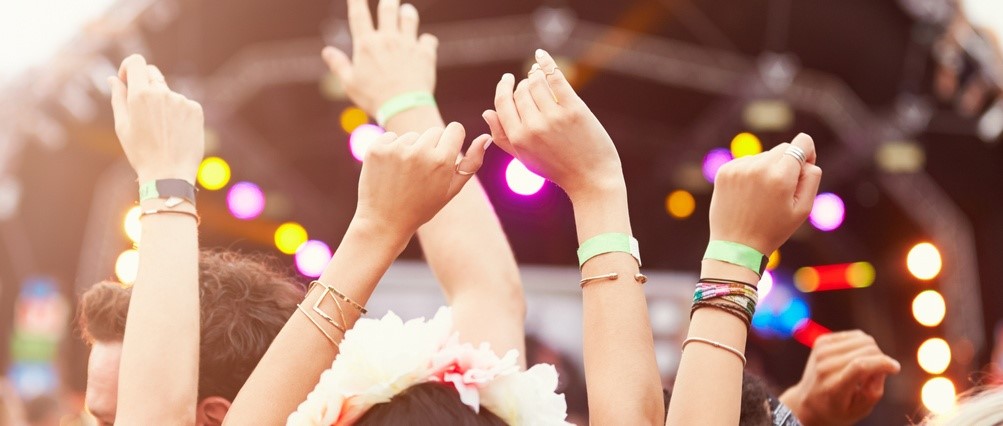
How to drink more water and stay hydrated at a festival
Peer reviewed by Dr Krishna Vakharia, MRCGPAuthored by Lydia SmithOriginally published 21 Jun 2023
Meets Patient’s editorial guidelines
- DownloadDownload
- Share
- Language
- Discussion
- Audio Version
- Add to preferred sources on Google
You’re at Glastonbury and you’re watching your favourite band in the sun with a pint of cider in hand. Life is good - until you start to feel a bit unwell. Although you’ve spent a lot of time at the bar, you’ve not drunk nearly enough water - and the headache is setting in.
Dehydration is one of the main causes of illness at festivals. They usually take place in the summer and the warm, sunny weather - and dancing - can mean you lose more fluid through sweating. Also, alcohol is a diuretic, meaning it can make you pee more. It’s also easy to forget to drink water when you’re having fun, especially if you don’t have a refillable bottle with you.
However, being dehydrated at a festival can be dangerous and lead to fainting, disorientation, heatstroke, or even fits or seizures. If left untreated, you may end up needing to spend time in the medical tent.
What are the symptoms of dehydration?
There are many signs that you haven’t drunk enough water. You may feel thirsty, tired or dizzy, or have dark yellow, strong-smelling urine. You may pee less than usual or have a dry mouth. You may also have a headache, feel generally unwell or feel confused or anxious.
Dehydration can happen more easily if you have been in the sun, drunk alcohol or have been sick or had diarrhoea. Conditions such as diabetes or certain medications, such as antidepressants, can also leave you at risk of dehydration1. Illegal drug use can also lead to dehydration2.
How to drink more water and stay hydrated at a festival
Stick to a routine
Setting a routine can help you remember to drink water at a festival. Keep big bottles of water in your tent so that when you wake up, you can have a couple of glasses first thing and refill a smaller bottle to carry with you.
It can help to set an alarm or reminder on your phone or watch to have water mid-morning and mid-afternoon. Try to drink when you eat at lunch or dinner too. If you’re moving around a lot or dancing, you’ll need to drink more.
Carry a refillable water bottle
Bringing your own refillable water bottle can save you money and is better for the environment than buying plastic water bottles. You can get foldable water bottles or pouches, which can be easier to carry. You can also attach them to a belt or bag using a carabiner, a strong metal clip. Festivals allow you to bring an empty bottle and refill it on site, as long as it isn’t made of glass.
Remember to rest
It’s important to take breaks in the shade when you’re hanging out in the sun all day or walking to various stages. Your body will need to rest and recharge. If you lie down in the shade and drink some water, you’ll feel much better.
What to do if you are dehydrated at a festival
If you’re dehydrated, sit down, drink plenty of water and have a rest. Dehydration is treated by replenishing the fluid level in the body. You can also use rehydration sachets - which can be dissolved in water - to build up your body’s electrolytes and salts. If you feel unwell, it’s important to seek medical help to prevent severe complications. You can get help at the medical tent, or via festival staff who are on site to help.
Further reading
Patient picks for Environmental conditions
General health and lifestyle
Beat the heat: your essential sun safety guide
With warmer weather expected to continue across the UK in the coming months, St John Ambulance has shared important health advice to help people recognise the symptoms of common heat-related conditions and understand how to treat them. Knowing these essential tips can keep you safe, prepared, and ready to make the most of your summer.
by Victoria Raw
General health and lifestyle
What is a ‘coolcation’ - and could it be better for your health?
You may have heard the term ‘coolcation’ circulating online. It refers to a growing travel trend in which holidaymakers are swapping traditional sunny destinations for cooler climates and experiences. We spoke to an expert to find out more about the benefits of choosing colder weather for a holiday, and why this shift in travel habits might be gaining popularity.
by Victoria Raw
About the authorView full bio
Authored by

Lydia Smith
Feature writer
BA, MA, MSc
Lydia Smith is an award-winning journalist and feature writer who has written extensively on women's health and mental health. She is currently studying for an MSc in psychology.
About the reviewerView full bio

Dr Krishna Vakharia, MRCGP
Chief Medical Officer for Health, Optum UK
MBChB, MRCGP(2013), BMedSci (hons), DFSRH, DRCOG, PGDipDerm (Distn)
Dr Krishna Vakharia is an NHS GP. She is also a regular examiner for the postgraduate Diploma in Practical Dermatology at Cardiff University as well as being the Chief Medical Officer for health at Optum UK.
Article history
Article also available in English, German, Spanish, French, Italian, Portuguese, Hindi, Hebrew, Arabic, and Swedish.
21 Jun 2023 | Originally published
Authored by:
Lydia SmithPeer reviewed by
Dr Krishna Vakharia, MRCGP
Join the conversation
Share your thoughts or experiences with others in our patient communities.

Ask, share, connect.
Browse discussions, ask questions, and share experiences across hundreds of health topics.

Feeling unwell?
Assess your symptoms online for free
Sign up to the Patient newsletter
Your weekly dose of clear, trustworthy health advice - written to help you feel informed, confident and in control.
By subscribing you accept our Privacy Policy. You can unsubscribe at any time. We never sell your data.