
How to stop worrying about things you can't change
Peer reviewed by Dr Sarah JarvisAuthored by Natalie HealeyOriginally published 6 Apr 2020
Meets Patient’s editorial guidelines
- DownloadDownload
- Share
- Language
- Discussion
- Ask Patient
- Audio Version
- Add to preferred sources on Google
As COVID-19 dominates our daily lives, it's never been more obvious that there are some things that can't be controlled or even predicted. Worrying about things you can't change may be futile but how can you stop yourself spiralling into negative thought patterns?
Mental health support for adults and children
Online CBT and psychological therapy for adults and children aged 8–17. Onebright’s accredited clinicians support people experiencing anxiety, depression and other emotional challenges.
You can find our latest features and advice on coronavirus and COVID-19 at our coronavirus hub.
Use Patient's coronavirus checker tool if you have any symptoms of fever or a new cough. Until you have used the tool and been advised what action to take, please stay at home and avoid contact with other people.
The difficult truth is there are a huge number of factors we cannot control in life. This is more apparent than ever as our daily lives diverge in ways we never thought possible in response to the COVID-19 pandemic. Stressing about things you can't change isn't limited to coronavirus and global emergencies though - it's one of the main symptoms of anxiety. Most people feel anxious from time to time, but it tends to be a problem if the worry is out of proportion to the stressful situation, persists when the stress is over, or occurs when there isn't an obviously stressful situation.
"Anxiety often means worrying about things that are out of our control," says psychotherapist and Counselling Directory member Natasha Crowe. "The mind has an ability to catastrophise regardless of what's going on."
Why do I always imagine the worst?
If your mind always jumps to the worst-case scenario, blame evolution. Anxiety would have been an advantageous trait when humans first emerged. Our ancestors needed to be primed for danger in order to survive and reproduce. We call this response 'fight or flight' - where a hormone called adrenaline is produced by the body. It was useful back then, in case you needed to run away from a sabre-toothed tiger, but it's of less benefit in modern life where the threat isn't usually quite so obvious. Too much adrenaline can also cause physical symptoms such as a pounding heart, sweating, breathlessness and panic attacks.
Look for evidence
There will always be periods of life that are more challenging than others. We don't have control of that, but we can choose to respond to a difficult situation in a more helpful way. Focusing on what might go wrong and the worst possible scenario can trap us in the negative thought loop, leading to feelings of hopelessness and fear.
Cognitive behavioural therapy (CBT) can be really helpful for those who find themselves struggling with spiralling negative thoughts. It aims to break problems down into more manageable chunks to stop you getting overwhelmed.
"CBT is about checking to see what's real. Ask yourself: do I have the evidence that this thought, this feeling, or this scenario is actually going to happen?," says Crowe.
Focus on what you can control
While there's a lot we can't change in life, there are some things that we can influence. For instance, while we can't control the actions of others, we do have control over how we behave in response to them. You may not know how you're perceived by someone, but you can choose to show kindness towards them. Similarly, we may not know what's around the corner, but we can make sure we're looking after ourselves and following a healthy lifestyle so we're in the best position to help others if a challenging situation does occur.
"When people feel overwhelmed by the lack of control, you have a choice in how you behave," explains Crowe. "So you can either go towards the anxiety and the fear and get completely caught up in it or you can choose to be more mindful about your reactions to things."
Stay away from social media
If you know certain things tend to trigger negative thoughts and anxiety spirals, it's best to take some time away from them. Constantly reading the news or checking social media may feel like a productive action because you convince yourself you're gaining useful information to help you prepare for disaster, but it may just be making you feel worse. Plus, a lot of misinformation circulates online. Try to limit yourself to checking trusted sources of news twice a day if you're feeling overwhelmed.
"If you're constantly fed negative messages and you have anxiety, that's terrifying because you will believe what you're seeing," says Crowe. "You need to be able in some ways to remove yourself from that."
Bring it back to the present
We don't know what's going to happen in the future, so trying to focus on the present moment can really help with anxiety. Mindfulness is based on this principle. Paying moment-by-moment attention to what's happening in the now, rather than the past or future, can be incredibly therapeutic.
"You haven't got the next moment and you haven't got the past, you've just got this moment," reveals Crowe. "It's about asking: Am I safe right now? And if that's true for you in that moment, it's the truth."
Anyone can practise mindfulness. There are many good guides on YouTube or apps such as Headspace to introduce you to the basic techniques. But even a simple breathing exercise can help.
Crowe advises the following exercise to slow the mind down and engage the senses:
Firmly put your feet on the floor.
Name five things you can see.
Name four things you can hear.
Name three things you can touch.
Name two things you can smell.
Seek support
If your worries are affecting your daily life, you don't need to just put up with them. If you live in England, you can self-refer to talking therapies in your area. You don't need a GP appointment. You'll usually be assigned a telephone appointment with a therapist who will decide on the best course of treatment for the problem you're dealing with. You may be recommended CBT, group therapy or online counselling.
There may be quite a wait for NHS talking therapy though, so you may wish to go private. You can book a private counselling and psychotherapy consultation on Patient Access.
Patient picks for Anxiety
Cancer
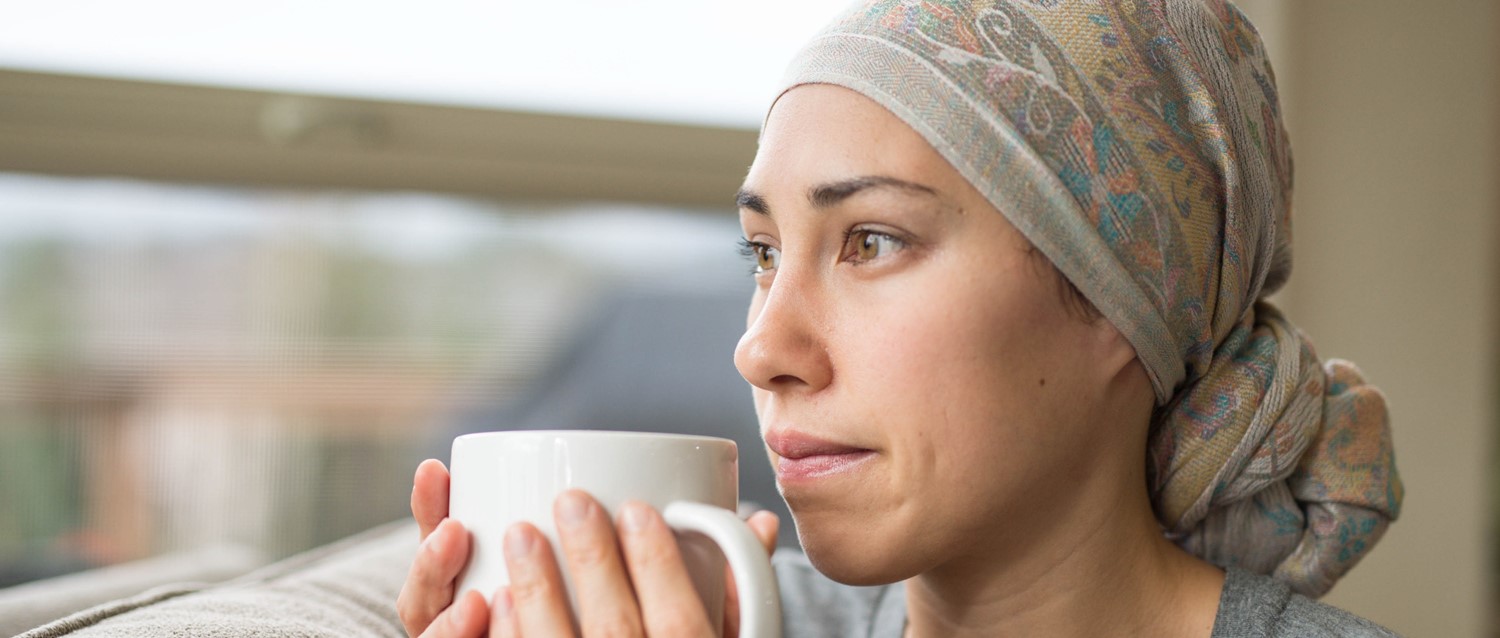
How cancer can affect your mental health
Being diagnosed with cancer is life-changing and can have a significant impact on a person's emotional well-being, as well as those around them. Thanks to medical advancements, we're constantly improving our ability to quickly diagnose and treat different cancers, which has greatly improved the chances of remission or living for longer with the disease. But what is often considered secondary to the physical impact of cancer is its effect on a person's mental well-being. Fear, anxiety, sadness and anger are common reactions to a diagnosis, and dealing with these emotions properly is crucial to improve quality of life.
by Lydia Smith

Senior health
How to speak to an older relative about their driving
Being able to drive makes it easier to get around and stay independent, so it's hard to imagine life without it. But what happens when you suspect someone you care about is no longer able to do it safely? Supporting and guiding an older relative through the decision to reduce or stop driving can be emotionally challenging. If you’re considering how to broach it, this article might help.
by Claire Kenny

Podcasts
Surviving holidays
Holidays, thanksgiving, Christmas, birthdays - those special, wonderful moments we dream of. But if you’ve ever walked away from a Christmas dinner or a family holiday wondering what on earth went wrong - this podcast is for you.
by Thomas Andrew Porteus, MBCS
Podcasts
Victims and villains
What happens when you argue with your partner? Clare and Janet explore the real reasons we fight and how to do conflict well.
by Thomas Andrew Porteus, MBCS

Podcasts
Me-topia
If you always come last on the priority list, it’s time to learn why ‘Being Selfish for the Team’ helps everyone.
by Thomas Andrew Porteus, MBCS

Podcasts
Me and myself
In this episode, Clare and Aileen turn their attention to what they describe as the primary relationship - the relationship we have with ourselves - and why it is so often the one we neglect, misunderstand or actively sideline.
by Thomas Andrew Porteus, MBCS
About the authorView full bio
Authored by

Natalie Healey
Freelance journalist
BSc (Hons) Biomedical Science
She is a London-based health journalist who has been writing about science and medicine for several years. She is the former head of editorial at Patient.
About the reviewerView full bio

Dr Sarah Jarvis
Clinical Consultant
MA (Cantab), BM, BCh (Oxon), DRCOG, FRCGP, MBE
After training in medicine at Cambridge and Oxford, Dr Sarah Jarvis MBE became a GP.
Article history
Article also available in English, German, Spanish, French, Italian, Portuguese, Hindi, Hebrew, Arabic, and Swedish.
6 Apr 2020 | Originally published
Authored by:
Natalie HealeyPeer reviewed by
Dr Sarah Jarvis
Share your thoughts or experiences with others in our patient communities.
Sign up to the Patient newsletter
Your weekly dose of clear, trustworthy health advice - written to help you feel informed, confident and in control.
By subscribing you accept our Privacy Policy. You can unsubscribe at any time. We never sell your data.