Alpha-1 antitrypsin deficiency
Last updated 3 Apr 2025
Meets Patient’s editorial guidelines
- DownloadDownload
- Share
- Language
- Discussion
- Ask Patient
- Audio Version
- Add to preferred sources on Google
Alpha-1 antitrypsin deficiency is an inherited disorder that may cause lung disease and liver disease. The signs and symptoms of the condition and the age at which they appear vary among individuals.
Video picks for Genetic conditionsVideo library
Description
Alpha-1 antitrypsin deficiency is an inherited disorder that may cause lung disease and liver disease. The signs and symptoms of the condition and the age at which they appear vary among individuals.
People with alpha-1 antitrypsin deficiency usually develop the first signs and symptoms of lung disease between ages 25 and 50. The earliest symptoms are shortness of breath following mild activity, reduced ability to exercise, and wheezing. Other signs and symptoms can include unintentional weight loss, recurring respiratory infections, and fatigue. Affected individuals often develop emphysema, which is a lung disease caused by damage to the small air sacs in the lungs (alveoli). Characteristic features of emphysema include difficulty breathing, a hacking cough, and a barrel-shaped chest. Smoking or exposure to tobacco smoke accelerates the appearance of emphysema symptoms and damage to the lungs.
About 10 percent of infants with alpha-1 antitrypsin deficiency develop liver disease, which often causes yellowing of the skin and whites of the eyes (jaundice). Approximately 15 percent of adults with alpha-1 antitrypsin deficiency develop liver damage (cirrhosis) due to the formation of scar tissue in the liver. Signs of cirrhosis include a swollen abdomen and jaundice. Individuals with alpha-1 antitrypsin deficiency are also at risk of developing a type of liver cancer called hepatocellular carcinoma.
In rare cases, people with alpha-1 antitrypsin deficiency develop a skin condition called panniculitis, which is characterised by hardened skin with painful lumps or patches. Panniculitis varies in severity and can occur at any age.
Inheritance patterns
The source lists the following possible inheritance patterns: Autosomal recessive. More than one pattern can apply in different cases.
Related genes
Other names
AAT
AATD
Alpha-1 protease inhibitor deficiency
Alpha-1 related emphysema
Genetic emphysema
Hereditary pulmonary emphysema
Inherited emphysema
Patient picks for Genetic conditions

Children's health
Alpha-1 antitrypsin deficiency
Alpha-1 antitrypsin deficiency is an inherited genetic condition. A genetic condition is one that can be passed on from parents through genes. In alpha-1 antitrypsin deficiency the result of a genetic abnormality leads to lung and, in some people, liver damage. Lung symptoms are the most common and include shortness of breath, cough and wheezing. Symptoms can worsen over time. At present, there is no cure for alpha-1 antitrypsin deficiency. Treatment aims at slowing down the progression of the disease.
by Dr Philippa Vincent, MRCGP
Treatment and medication
Alpha-blockers
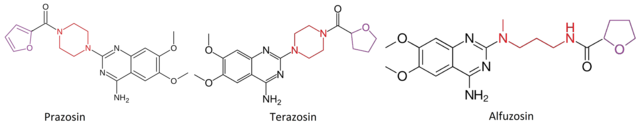
Alpha-blockers are medicines that are mainly used to treat high blood pressure (hypertension) and problems with passing urine in men who have enlargement of the prostate gland. Prostate gland enlargement is also called benign prostatic hyperplasia (BPH).
by Dr Doug McKechnie, MRCGP

Healthy living
Vitamin A deficiency
Vitamins are a group of substances needed in small amounts by the body to maintain health. Vitamin A cannot be made by the human body and so it is an essential part of the diet. Vitamin A is important for healthy eyes, good eyesight (vision), healthy skin and to help you fight infections. Vitamin A is sometimes also called retinol. Foods that contain vitamin A include liver, milk, eggs and fish-liver oils. Another substance called beta carotene (which is found in green leafy and orange/yellow vegetables and fruits) can also be converted by your body to vitamin A. Mild forms of vitamin A deficiency can usually be treated without any long-term problems. Vitamin A deficiency is much more common in low-income countries, where it is often very severe and can cause loss of vision and even death.
by Dr Toni Hazell, FRCGP

Diet and nutrition
Vitamin C: benefits, sources, and deficiency
Most of us know vitamin C is good for us, but do you know all the ways that this essential nutrient benefits your health? Here you can find out how easy it is to get enough vitamin C, as well as what happens when you consume too little and too much.
by Lynn Stephen

Hormones
Iodine deficiency
Iodine is essential for the body to make thyroid hormone. Low levels of iodine may cause an underactive thyroid gland and symptoms of hypothyroidism (eg, tiredness, constipation and weight gain). Iodine deficiency in pregnant women may cause problems for the baby, including learning disability. There has been a worldwide campaign to prevent iodine deficiency by using salt containing added iodine. However, iodine deficiency is still a widespread problem in many countries. Mild iodine deficiency may still affect some people in the UK.
by Dr Rosalyn Adleman, MRCGP

Eye health
Colour vision deficiency
Colour vision deficiency, also called colour blindness, is when you are unable to see certain colours. The most common form of the condition is red-green colour vision deficiency.
by Dr Hayley Willacy, FRCGP
Related patient information and medicines
Patient information leaflet
Alpha-1 antitrypsin deficiency
Alpha-1 antitrypsin deficiency is an inherited genetic condition. A genetic condition is one that can be passed on from parents through genesIn alpha-1 antitrypsin deficiency the result of a genetic abnormality leads to lung and, in some people, liver damage. Lung symptoms are the most common and include shortness of breath, cough and wheezing..

Patient information leaflet
Emphysema
Emphysema is a progressive lung condition that is a form of chronic obstructive pulmonary disease. Breathing indoor pollutants (such as fumes from heating fuel), as... Alpha-1-antitrypsin deficiency Alpha-1 antitrypsin deficiency. There is a rare genetic disorder called alpha-1-antitrypsin deficiency which leads to an inherited deficiency of a.

Patient information leaflet
Liver function tests
Alpha-... Copper/caeruloplasmin Wilson's disease (measures of copper management by the body). Alpha-1 antitrypsin Alpha-1 antitrypsin deficiency (a hormone involved in protecting liver and lung cells from injury). Clotting factors Blood clotting tests (particularly if there is a suspicion that your blood is not clotting well or you have severe.

Patient information leaflet
Chronic obstructive pulmonary disease
Indoor air pollution incl... The combination effect of long-term exposure at work to air pollutants and smoking increases the chances of developing COPD. A small number of people have a hereditary (genetic) risk of COPD due to very rare protein deficiencies that can lead to lung, liver and blood disorders. (The condition is called.

Patient information leaflet
Liver failure
Diseases of the veins in the liver Some diseases (for example, Budd-Chiari syndrom... Metabolic diseases Some rare metabolic diseases may cause acute liver failure. These include haemochromatosis Haemochromatosis , alpha-1 antitrypsin deficiency Alpha-1 antitrypsin deficiency , Wilson's disease Wilson's disease , fructose intolerance,.

Patient information leaflet
Bronchiectasis
Bronchiectasis is a problem with the lungs, where you cough up lots of phlegm, (sputum): far more than usual. It is usually caused by something that has already affected the lungs, like a bad infection; but sometimes no cause is found. Or a problem with how the lungs clear aw... Some other type of rare condition like Kartagener's syndrome. There.
Further reading and references
- Alpha-1 antitrypsin deficiency; MedlinePlus, National Library of Medicine.
- Carrell RW, Lomas DA. Alpha1-antitrypsin deficiency--a model for conformational diseases. N Engl J Med. 2002 Jan 3;346(1):45-53. doi: 10.1056/NEJMra010772. No abstract available.
- de Serres FJ, Blanco I, Fernandez-Bustillo E. Estimated numbers and prevalence of PI*S and PI*Z deficiency alleles of alpha1-antitrypsin deficiency in Asia. Eur Respir J. 2006 Dec;28(6):1091-9. doi: 10.1183/09031936.00029806. Epub 2006 Sep 27.
- de Serres FJ, Blanco I, Fernandez-Bustillo E. Estimating the risk for alpha-1 antitrypsin deficiency among COPD patients: evidence supporting targeted screening. COPD. 2006 Aug;3(3):133-9. doi: 10.1080/15412550600829257.
- de Serres FJ, Blanco I, Fernandez-Bustillo E. Health implications of alpha1-antitrypsin deficiency in Sub-Sahara African countries and their emigrants in Europe and the New World. Genet Med. 2005 Mar;7(3):175-84. doi: 10.1097/01.gim.0000156533.06057.89.
- de Serres FJ, Blanco I, Fernandez-Bustillo E. PI S and PI Z alpha-1 antitrypsin deficiency worldwide. A review of existing genetic epidemiological data. Monaldi Arch Chest Dis. 2007 Dec;67(4):184-208. doi: 10.4081/monaldi.2007.476.
- de Serres FJ. Alpha-1 antitrypsin deficiency is not a rare disease but a disease that is rarely diagnosed. Environ Health Perspect. 2003 Dec;111(16):1851-4. doi: 10.1289/ehp.6511.
- DeMeo DL, Silverman EK. Alpha1-antitrypsin deficiency. 2: genetic aspects of alpha(1)-antitrypsin deficiency: phenotypes and genetic modifiers of emphysema risk. Thorax. 2004 Mar;59(3):259-64. doi: 10.1136/thx.2003.006502.
- Fairbanks KD, Tavill AS. Liver disease in alpha 1-antitrypsin deficiency: a review. Am J Gastroenterol. 2008 Aug;103(8):2136-41; quiz 2142. doi: 10.1111/j.1572-0241.2008.01955.x.
- Fregonese L, Stolk J. Hereditary alpha-1-antitrypsin deficiency and its clinical consequences. Orphanet J Rare Dis. 2008 Jun 19;3:16. doi: 10.1186/1750-1172-3-16.
- Lomas DA, Parfrey H. Alpha1-antitrypsin deficiency. 4: Molecular pathophysiology. Thorax. 2004 Jun;59(6):529-35. doi: 10.1136/thx.2003.006528.
- Luisetti M, Seersholm N. Alpha1-antitrypsin deficiency. 1: epidemiology of alpha1-antitrypsin deficiency. Thorax. 2004 Feb;59(2):164-9. doi: 10.1136/thorax.2003.006494.
- Needham M, Stockley RA. Alpha 1-antitrypsin deficiency. 3: Clinical manifestations and natural history. Thorax. 2004 May;59(5):441-5. doi: 10.1136/thx.2003.006510.
- Perlmutter DH, Brodsky JL, Balistreri WF, Trapnell BC. Molecular pathogenesis of alpha-1-antitrypsin deficiency-associated liver disease: a meeting review. Hepatology. 2007 May;45(5):1313-23. doi: 10.1002/hep.21628.
- Ranes J, Stoller JK. A review of alpha-1 antitrypsin deficiency. Semin Respir Crit Care Med. 2005 Apr;26(2):154-66. doi: 10.1055/s-2005-869536.
- Seixas S, Marques PI. Known Mutations at the Cause of Alpha-1 Antitrypsin Deficiency an Updated Overview of SERPINA1 Variation Spectrum. Appl Clin Genet. 2021 Mar 22;14:173-194. doi: 10.2147/TACG.S257511. eCollection 2021.
- Stoller JK, Aboussouan LS. Myths and misconceptions about alpha1-antitrypsin deficiency. Arch Intern Med. 2009 Mar 23;169(6):546-50. doi: 10.1001/archinternmed.2009.25. No abstract available.
- Stoller JK, Hupertz V, Aboussouan LS. Alpha-1 Antitrypsin Deficiency. 2006 Oct 27 [updated 2023 Jun 1]. In: Adam MP, Bick S, Mirzaa GM, Wallace SE, Amemiya A, editors. GeneReviews(R) [Internet]. Seattle (WA): University of Washington, Seattle; 1993-2026. Available from http://www.ncbi.nlm.nih.gov/books/NBK1519/
- Teckman JH, Lindblad D. Alpha-1-antitrypsin deficiency: diagnosis, pathophysiology, and management. Curr Gastroenterol Rep. 2006 Feb;8(1):14-20. doi: 10.1007/s11894-006-0059-8.
- Teckman JH. Alpha1-antitrypsin deficiency in childhood. Semin Liver Dis. 2007 Aug;27(3):274-81. doi: 10.1055/s-2007-985072.
Share your thoughts or experiences with others in our patient communities.
Simple access to trusted treatments and health services online.
Common conditions
Get help with common conditions through the NHS, without a GP appointment.





Sign up to the Patient newsletter
Your weekly dose of clear, trustworthy health advice - written to help you feel informed, confident and in control.
By subscribing you accept our Privacy Policy. You can unsubscribe at any time. We never sell your data.