serpin family A member 1
Last updated 3 Apr 2025
Meets Patient’s editorial guidelines
- DownloadDownload
- Share
- Language
- Discussion
- Ask Patient
- Audio Version
- Add to preferred sources on Google
The SERPINA1 gene provides instructions for making a protein called alpha-1 antitrypsin, which is a type of serine protease inhibitor (serpin). Serpins help control several types of chemical reactions by blocking (inhibiting) the activity of certain enzymes. The first identified role for alpha-1 antitrypsin was to control the activity of the digestive enzyme trypsin. Alpha-1 antitrypsin also inhibits other enzymes, including a powerful enzyme called neutrophil elastase that is released from white blood cells to fight infection.
Video picks for GenesVideo library
Normal function
The SERPINA1 gene provides instructions for making a protein called alpha-1 antitrypsin, which is a type of serine protease inhibitor (serpin). Serpins help control several types of chemical reactions by blocking (inhibiting) the activity of certain enzymes. The first identified role for alpha-1 antitrypsin was to control the activity of the digestive enzyme trypsin. Alpha-1 antitrypsin also inhibits other enzymes, including a powerful enzyme called neutrophil elastase that is released from white blood cells to fight infection.
Alpha-1 antitrypsin is produced in the liver and then transported throughout the body via the blood. Alpha-1 antitrypsin protects the lungs from neutrophil elastase, which can damage lung tissue if not properly controlled.
Conditions referring to this gene or chromosome
Other names
A1A
A1AT
A1AT_HUMAN
AAT
alpha-1 antiproteinase
alpha-1 antitrypsin
alpha-1 proteinase inhibitor
alpha1AT
PI
PI1
protease inhibitor 1 (anti-elastase)
serine protease inhibitor, clade A (alpha-1 antiproteinase, antitrypsin), member 1
serpin peptidase inhibitor, clade A (alpha-1 antiproteinase, antitrypsin), member 1
Patient picks for Genes
Pregnancy
Ovulation calculator
Open the ovulation calculator
by Patient infomatics team

Podcasts
What are relationships anyway?
Relationships – what are they? We often think of relationships as intimate with a partner and yet we actually have hundreds of relationships with friends, family, at work, at play even with nature and beyond. Clare and Aileen kick off the season by discussing the breadth of relationships.
by Thomas Andrew Porteus, MBCS

Mental health
Not quite 'back to normal': a guide to post-pandemic family healing
When news broke in late 2019 of a virus spreading rapidly across the globe, the word ‘unprecedented’ quickly became part of everyday vocabulary in the months that followed. The outbreak of Covid-19 marked the world’s most significant public health crisis in at least a century, shaking the foundations of the one place we usually feel most secure - the home. It is no surprise that years of disrupted routines have left a lasting mark on the family unit. From the sudden loss of support networks to the blurring of boundaries between home, school, and work, the pandemic reshaped how families function. We spoke with a psychotherapist to explore these long-term psychological ripples and why reflecting on that period is essential for understanding - and healing - the family dynamic today.
by Victoria Raw

Podcasts
The parental minefield
How often have you said something quite ordinary to a parent, or they’ve said something to you and suddenly the room feels like it’s about to explode? Welcome to the parental nightmare. It’s not just about conflict, it’s about what’s hidden underneath these relationships – family secrets, unspoken stories, patterns of behaviour passed from one generation to the next. In this episode Clare and Aileen explore the complex, often lifelong, relationship we have with our parents and discuss practical strategies to help you navigate this important relationship.
by Thomas Andrew Porteus, MBCS
Infections
Strep A
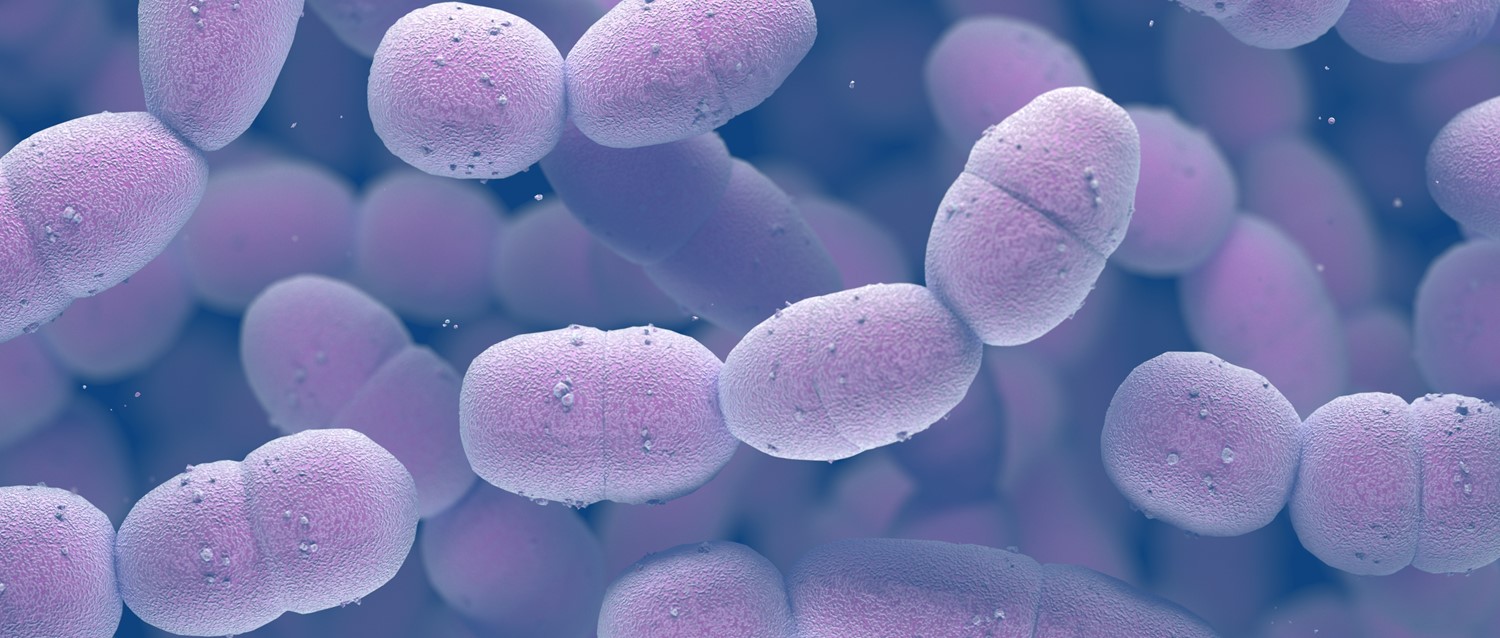
Strep A, or Group A streptococcus, is a common type of bacteria, which has been recognised as a cause of infections for many years. Most Group A streptococcus infections are mild, but in rare cases, these can cause serious illness and even death.
by Dr Colin Tidy, MRCGP

General health
Medical negligence
Most people receive good care from healthcare professionals. Sometimes, people receive poor care. If this happens, they may wish to make a complaint. If sub-standard care has led to avoidable harm, they may also wish to make a claim for compensation for medical negligence.
by Dr Doug McKechnie, MRCGP
Related patient information and medicines

Patient information leaflet
Alcohol use disorder
Some people can find it very difficult to. What is alcohol use disorder. Alcohol use disorder means drinking alcohol in a way that causes harm. If you or a family member has alcohol use disorder then treatment and support can be provided to help you or your family member reduce or stop drinking alcohol. Alcohol use disorder is sometimes called.
Patient information leaflet
Hepatitis A vaccine
Hepatitis A Hepatitis A is an illness caused by the hepatitis A virus. The virus mainly causes inflammation of the... This leaflet is just about vaccination to help prevent hepatitis A infection. Close contacts of someone with hepatitis A Occasional outbreaks of hepatitis A occur in the UK within families or in institutions. Close contacts of.

Patient information leaflet
Huntington's disease
Huntington's disease is a genetically inherited condition that causes parts of the brain and nervous system to stop working properly over time. It is a slowly progressive condition that interferes with the movements of your body, thinking and judgement, and can lead to a change in your behaviour. Huntington's disease is an autosomal dominant.

Patient information leaflet
Breast cancer facts and risk factors
Dr Sarah Jarvis MBE Although breast cancer can develop for no apparent reason, there are certain risk factors which increase the chance that breast cancer will develop.. However, breast cancer does occur more often than usual in some families because of their genetic makeup. See your doctor if you feel this applies to you..

Patient information leaflet
BRCA genes
There are a few known gene changes (mutations) that can increase the risk of certain cancers, and tests available for some of them, including BRCA1 and BRCA2 gene mutations. The BRCA1 and BRCA2 genes normally protect against certain cancers, particularly breast cancer and ovarian cancer. If there is a mutation in one of these genes then this may.

Patient information leaflet
Anxiety in children
Children can feel anxious about various things at different stages of their lives. Parents and carers can get help and advice about children's mental health from Young Minds' free parent helpline on 0808 802 5544, from Monday to Friday, 9.30 am to ... Family therapy The whole family unit is important in this talking therapy. How the family works.
Further reading and references
- serpin family A member 1; MedlinePlus, National Library of Medicine.
- Gilis D, McLennan HR, Dehouck Y, Cabrita LD, Rooman M, Bottomley SP. In vitro and in silico design of alpha1-antitrypsin mutants with different conformational stabilities. J Mol Biol. 2003 Jan 17;325(3):581-9. doi: 10.1016/s0022-2836(02)01221-4.
- Gooptu B, Lomas DA. Polymers and inflammation: disease mechanisms of the serpinopathies. J Exp Med. 2008 Jul 7;205(7):1529-34. doi: 10.1084/jem.20072080.
- Lomas DA, Parfrey H. Alpha1-antitrypsin deficiency. 4: Molecular pathophysiology. Thorax. 2004 Jun;59(6):529-35. doi: 10.1136/thx.2003.006528.
- Parfrey H, Mahadeva R, Lomas DA. Alpha(1)-antitrypsin deficiency, liver disease and emphysema. Int J Biochem Cell Biol. 2003 Jul;35(7):1009-14. doi: 10.1016/s1357-2725(02)00250-9.
- Perlmutter DH, Brodsky JL, Balistreri WF, Trapnell BC. Molecular pathogenesis of alpha-1-antitrypsin deficiency-associated liver disease: a meeting review. Hepatology. 2007 May;45(5):1313-23. doi: 10.1002/hep.21628.
- Ranes J, Stoller JK. A review of alpha-1 antitrypsin deficiency. Semin Respir Crit Care Med. 2005 Apr;26(2):154-66. doi: 10.1055/s-2005-869536.
- Seixas S, Marques PI. Known Mutations at the Cause of Alpha-1 Antitrypsin Deficiency an Updated Overview of SERPINA1 Variation Spectrum. Appl Clin Genet. 2021 Mar 22;14:173-194. doi: 10.2147/TACG.S257511. eCollection 2021.
Share your thoughts or experiences with others in our patient communities.
Simple access to trusted treatments and health services online.
Common conditions
Get help with common conditions through the NHS, without a GP appointment.





Sign up to the Patient newsletter
Your weekly dose of clear, trustworthy health advice - written to help you feel informed, confident and in control.
By subscribing you accept our Privacy Policy. You can unsubscribe at any time. We never sell your data.