Alpha-methylacyl-CoA racemase deficiency
Last updated 18 Aug 2020
Meets Patient’s editorial guidelines
- DownloadDownload
- Share
- Language
- Discussion
- Ask Patient
- Audio Version
- Add to preferred sources on Google
Alpha-methylacyl-CoA racemase (AMACR) deficiency is a disorder that causes a variety of neurological problems that begin in adulthood and slowly get worse. People with AMACR deficiency may have a gradual loss in intellectual functioning (cognitive decline), seizures, and migraines. They may also have acute episodes of brain dysfunction (encephalopathy) similar to stroke, involving altered consciousness and areas of damage (lesions) in the brain. Other features of AMACR deficiency may include weakness and loss of sensation in the limbs due to nerve damage (sensorimotor neuropathy), muscle stiffness (spasticity), and difficulty coordinating movements (ataxia). Vision problems caused by deterioration of the light-sensitive layer at the back of the eye (the retina) can also occur in this disorder.
Video picks for Genetic conditionsVideo library
Description
Alpha-methylacyl-CoA racemase (AMACR) deficiency is a disorder that causes a variety of neurological problems that begin in adulthood and slowly get worse. People with AMACR deficiency may have a gradual loss in intellectual functioning (cognitive decline), seizures, and migraines. They may also have acute episodes of brain dysfunction (encephalopathy) similar to stroke, involving altered consciousness and areas of damage (lesions) in the brain. Other features of AMACR deficiency may include weakness and loss of sensation in the limbs due to nerve damage (sensorimotor neuropathy), muscle stiffness (spasticity), and difficulty coordinating movements (ataxia). Vision problems caused by deterioration of the light-sensitive layer at the back of the eye (the retina) can also occur in this disorder.
Inheritance patterns
The source lists the following possible inheritance patterns: Autosomal recessive. More than one pattern can apply in different cases.
Related genes
Other names
AMACR deficiency
Patient picks for Genetic conditions

Heart health and blood vessels
Coarctation of the aorta
Coarctation of the aorta is a type of congenital heart disease where there is a narrowing in part of the aorta, the main artery that leaves the left side of the heart.
by Dr Toni Hazell, FRCGP

Diet and nutrition
Vitamin C: benefits, sources, and deficiency
Most of us know vitamin C is good for us, but do you know all the ways that this essential nutrient benefits your health? Here you can find out how easy it is to get enough vitamin C, as well as what happens when you consume too little and too much.
by Lynn Stephen
Treatment and medication
Alpha-blockers
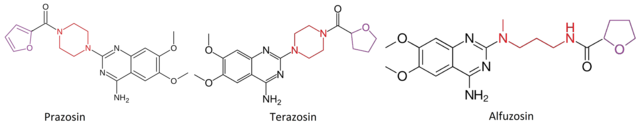
Alpha-blockers are medicines that are mainly used to treat high blood pressure (hypertension) and problems with passing urine in men who have enlargement of the prostate gland. Prostate gland enlargement is also called benign prostatic hyperplasia (BPH).
by Dr Doug McKechnie, MRCGP

Eye health
Colour vision deficiency
Colour vision deficiency, also called colour blindness, is when you are unable to see certain colours. The most common form of the condition is red-green colour vision deficiency.
by Dr Hayley Willacy, FRCGP

Healthy living
Vitamin A deficiency
Vitamins are a group of substances needed in small amounts by the body to maintain health. Vitamin A cannot be made by the human body and so it is an essential part of the diet. Vitamin A is important for healthy eyes, good eyesight (vision), healthy skin and to help you fight infections. Vitamin A is sometimes also called retinol. Foods that contain vitamin A include liver, milk, eggs and fish-liver oils. Another substance called beta carotene (which is found in green leafy and orange/yellow vegetables and fruits) can also be converted by your body to vitamin A. Mild forms of vitamin A deficiency can usually be treated without any long-term problems. Vitamin A deficiency is much more common in low-income countries, where it is often very severe and can cause loss of vision and even death.
by Dr Toni Hazell, FRCGP

Healthy living
Zinc deficiency, excess and supplementation
Zinc is needed for many of the chemical reactions which are going on inside us all the time at micro-level. We get zinc from our diets but not getting enough can cause a wide variety of symptoms, some of which are very vague.
by Dr Toni Hazell, FRCGP
Related patient information and medicines
Patient information leaflet
Coarctation of the aorta
Coarctation of the aorta is a type of congenital heart disease where there is a narrowing in part of the aorta, the main artery that leaves the left side of the heart. Normal heart detail Cross-section diagram of a normal heart PatientPicksPlaceholder Heart - lung circulation heart - lung circulation What is coarctation of the aorta. In.

Patient information leaflet
Liver function tests
If your liver is inflamed and injured (for example, you have hepatitis and are jaundiced) or you have advanced liver disease (for example, cirrhosis) then, depending on the severity, you may be advised to have a special dietAlmost any pattern of liver function test abnormality can be caused by medicines (including over-the-counter medications), by.

Patient information leaflet
Restless legs syndrome
No treatment may be needed if symptom... Medication can ease symptoms if the condition is distressing. What is restless legs syndrome. Restless legs syndrome (RLS) is sometimes called Willis-Ekbom disease after the doctors who first described it. It is a condition where you have an urge to move your legs. This is usually caused by an uncomfortable.
Patient information leaflet
Liver failure
Diseases of the veins in the liver Some diseases (for example, Budd-Chiari syndrom... Metabolic diseases Some rare metabolic diseases may cause acute liver failure. These include haemochromatosis Haemochromatosis , alpha-1 antitrypsin deficiency Alpha-1 antitrypsin deficiency , Wilson's disease Wilson's disease , fructose intolerance,.
Patient information leaflet
Psoriatic arthritis
On average, the joint damage tends not to be as bad or as disabling as occurs with rheumatoid arthritis. However, joint damage can cause significant deformity and disability in some cases. Inflammation around tendons This is quite common. It probably occurs because the tissue which covers tendons is similar to the synovium around the joints. A.

Patient information leaflet
Anaemia
Anaemia means that you have fewer red blood cells than normal or you have less haemoglobin than normal in each red blood cell. In either case, a reduced amount of oxygen is carried around in the bloodstream. Anaemia types and causes Iron-deficiency anaemia Lack of iron is the most common type of anaemia in the UK. This is called iron-deficiency.
Further reading and references
- Alpha-methylacyl-CoA racemase deficiency; MedlinePlus, National Library of Medicine.
- Dick D, Horvath R, Chinnery PF. AMACR mutations cause late-onset autosomal recessive cerebellar ataxia. Neurology. 2011 May 17;76(20):1768-70. doi: 10.1212/WNL.0b013e31821a4484. No abstract available.
- Ferdinandusse S, Denis S, Clayton PT, Graham A, Rees JE, Allen JT, McLean BN, Brown AY, Vreken P, Waterham HR, Wanders RJ. Mutations in the gene encoding peroxisomal alpha-methylacyl-CoA racemase cause adult-onset sensory motor neuropathy. Nat Genet. 2000 Feb;24(2):188-91. doi: 10.1038/72861.
- Ferdinandusse S, Denis S, IJlst L, Dacremont G, Waterham HR, Wanders RJ. Subcellular localization and physiological role of alpha-methylacyl-CoA racemase. J Lipid Res. 2000 Nov;41(11):1890-6.
- Haugarvoll K, Johansson S, Tzoulis C, Haukanes BI, Bredrup C, Neckelmann G, Boman H, Knappskog PM, Bindoff LA. MRI characterisation of adult onset alpha-methylacyl-coA racemase deficiency diagnosed by exome sequencing. Orphanet J Rare Dis. 2013 Jan 3;8:1. doi: 10.1186/1750-1172-8-1.
- Wierzbicki AS. Peroxisomal disorders affecting phytanic acid alpha-oxidation: a review. Biochem Soc Trans. 2007 Nov;35(Pt 5):881-6. doi: 10.1042/BST0350881.
Share your thoughts or experiences with others in our patient communities.
Simple access to trusted treatments and health services online.
Common conditions
Get help with common conditions through the NHS, without a GP appointment.





Sign up to the Patient newsletter
Your weekly dose of clear, trustworthy health advice - written to help you feel informed, confident and in control.
By subscribing you accept our Privacy Policy. You can unsubscribe at any time. We never sell your data.