Arginine:glycine amidinotransferase deficiency
Last updated 19 Apr 2021
Meets Patient’s editorial guidelines
- DownloadDownload
- Share
- Language
- Discussion
- Ask Patient
- Audio Version
- Add to preferred sources on Google
Arginine:glycine amidinotransferase deficiency is an inherited disorder that primarily affects the brain. People with this disorder have mild to moderate intellectual disability and delayed speech development. Some affected individuals develop autistic behaviors that affect communication and social interaction. They may experience seizures, especially when they have a fever.
Video picks for Genetic conditionsVideo library
Description
Arginine:glycine amidinotransferase deficiency is an inherited disorder that primarily affects the brain. People with this disorder have mild to moderate intellectual disability and delayed speech development. Some affected individuals develop autistic behaviors that affect communication and social interaction. They may experience seizures, especially when they have a fever.
Children with arginine:glycine amidinotransferase deficiency may not gain weight and grow at the expected rate (failure to thrive), and have delayed development of motor skills such as sitting and walking. Affected individuals may also have weak muscle tone and tend to tire easily.
Inheritance patterns
The source lists the following possible inheritance patterns: Autosomal recessive. More than one pattern can apply in different cases.
Related genes
Other names
AGAT deficiency
Cerebral creatine deficiency syndrome 3
Creatine deficiency syndrome due to AGAT deficiency
GATM deficiency
L-arginine:glycine amidinotransferase deficiency
L-arginine:glycine aminidotransferase deficiency
Patient picks for Genetic conditions
Diet and nutrition
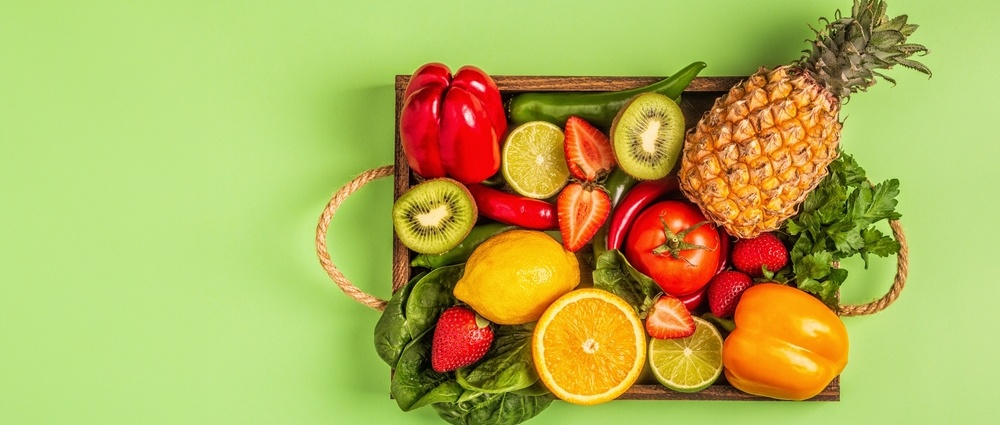
Vitamin C: benefits, sources, and deficiency
Most of us know vitamin C is good for us, but do you know all the ways that this essential nutrient benefits your health? Here you can find out how easy it is to get enough vitamin C, as well as what happens when you consume too little and too much.
by Lynn Stephen
Healthy living
Vitamin A deficiency
Vitamins are a group of substances needed in small amounts by the body to maintain health. Vitamin A cannot be made by the human body and so it is an essential part of the diet. Vitamin A is important for healthy eyes, good eyesight (vision), healthy skin and to help you fight infections. Vitamin A is sometimes also called retinol. Foods that contain vitamin A include liver, milk, eggs and fish-liver oils. Another substance called beta carotene (which is found in green leafy and orange/yellow vegetables and fruits) can also be converted by your body to vitamin A. Mild forms of vitamin A deficiency can usually be treated without any long-term problems. Vitamin A deficiency is much more common in low-income countries, where it is often very severe and can cause loss of vision and even death.
by Dr Toni Hazell, FRCGP
Healthy living
Zinc deficiency, excess and supplementation
Zinc is needed for many of the chemical reactions which are going on inside us all the time at micro-level. We get zinc from our diets but not getting enough can cause a wide variety of symptoms, some of which are very vague.
by Dr Toni Hazell, FRCGP

Allergies, blood and immune system
Vitamin B12 deficiency signs you need to know
Your body doesn't make vitamin B12. That means you need to get it from food or supplements. We'll explore why this nutrient is needed, the best sources and the signs you're not getting enough.
by Dr Carrie Ruxton, PhD, Child Nutrition

Children's health
Alpha-1 antitrypsin deficiency
Alpha-1 antitrypsin deficiency is an inherited genetic condition. A genetic condition is one that can be passed on from parents through genes. In alpha-1 antitrypsin deficiency the result of a genetic abnormality leads to lung and, in some people, liver damage. Lung symptoms are the most common and include shortness of breath, cough and wheezing. Symptoms can worsen over time. At present, there is no cure for alpha-1 antitrypsin deficiency. Treatment aims at slowing down the progression of the disease.
by Dr Philippa Vincent, MRCGP
Allergies, blood and immune system
Vitamin B12 deficiency and pernicious anaemia
Vitamin B12 is essential for life. It is needed to make new cells in the body, such as the many new red blood cells which are made every day. Vitamin B12 is found in meat, fish, eggs and milk - but not in fruit or vegetables. A normal balanced diet must contain enough vitamin B12. A lack of vitamin B12 leads to anaemia and sometimes to other problems.
by Dr Colin Tidy, MRCGP
Related patient information and medicines

Patient information leaflet
Gastrointestinal malabsorption
Gastrointestinal malabsorption syndrome means a failure to fully absorb digested foods from the gut (bowel) into your body. There are many different causes. Prolonged intestinal malabsorption may cause problems because of a lack of carbohydrates, proteins, fats, minerals and vitamins that are essential to keep you healthy. The treatment will.
Patient information leaflet
Can I take Vitamin B complex and Vitamin C together?
It is best to take your vitamins with water rather than tea or coffee. Using other medicines Taking multiple medicines. Our Medicines Interaction Checker helps you check whether your prescriptions, over-the-counter medicines, and supplements are safe to take together. Simply search for your medicines to see potential interactions and what to do.
Patient information leaflet
Can I take Vitamin B2 and Vitamin C together?
G6PD deficiency If you have a G6PD deficiency (a genetic enzyme condition), high doses of vitamin C can cause your red blood cells to break down (haemolysis). Food and drink warnings Alcohol It is best to avoid or str... Using other medicines Taking multiple medicines. Our Medicines Interaction Checker helps you check whether your prescriptions,.
Patient information leaflet
Can I take Vitamin B12 and Vitamin C together?
G6PD deficiency Very high doses of vitamin C can cause oxidative stress and lead to the breakdown of red blood cells (haemolysis) in individuals with G6PD deficiency. Our Medicines Interaction Checker helps you check whether your prescriptions, over-the-counter medicines, and supplements are safe to take together. Simply search for... Disclaimer.
Patient information leaflet
Can I take Vitamin C and Vitamin D together?
Taking it on an empty stomach may reduce its effectiveness. Using other medicines Taking multiple medicines. Our Medicines Interaction Checker helps you check whether your prescriptions, over-the-counter medicines, and supplements are safe to take together. Simply search for your medicines to see potential interactions and what to do about them..
Patient information leaflet
Macrocytosis and macrocytic anaemia
Macrocytosis refers to red blood cells which are larger than normal. It does not cause any symptoms in itself. Macrocytosis symptoms You may also find relevant information in our other separate leaflet called What is blood. What is blood. Macrocytosis can exist without anaemia. Macrocytosis itself does not cause any symptoms but can be a sign of.
Further reading and references
- Arginine:glycine amidinotransferase deficiency; MedlinePlus, National Library of Medicine.
- Beard E, Braissant O. Synthesis and transport of creatine in the CNS: importance for cerebral functions. J Neurochem. 2010 Oct;115(2):297-313. doi: 10.1111/j.1471-4159.2010.06935.x. Epub 2010 Aug 25.
- Braissant O, Henry H, Beard E, Uldry J. Creatine deficiency syndromes and the importance of creatine synthesis in the brain. Amino Acids. 2011 May;40(5):1315-24. doi: 10.1007/s00726-011-0852-z. Epub 2011 Mar 10.
- Comeaux MS, Wang J, Wang G, Kleppe S, Zhang VW, Schmitt ES, Craigen WJ, Renaud D, Sun Q, Wong LJ. Biochemical, molecular, and clinical diagnoses of patients with cerebral creatine deficiency syndromes. Mol Genet Metab. 2013 Jul;109(3):260-8. doi: 10.1016/j.ymgme.2013.04.006. Epub 2013 Apr 17.
- Edvardson S, Korman SH, Livne A, Shaag A, Saada A, Nalbandian R, Allouche-Arnon H, Gomori JM, Katz-Brull R. l-arginine:glycine amidinotransferase (AGAT) deficiency: clinical presentation and response to treatment in two patients with a novel mutation. Mol Genet Metab. 2010 Oct-Nov;101(2-3):228-32. doi: 10.1016/j.ymgme.2010.06.021. Epub 2010 Jul 7.
- Item CB, Stockler-Ipsiroglu S, Stromberger C, Muhl A, Alessandri MG, Bianchi MC, Tosetti M, Fornai F, Cioni G. Arginine:glycine amidinotransferase deficiency: the third inborn error of creatine metabolism in humans. Am J Hum Genet. 2001 Nov;69(5):1127-33. doi: 10.1086/323765. Epub 2001 Sep 10.
- Nasrallah F, Feki M, Kaabachi N. Creatine and creatine deficiency syndromes: biochemical and clinical aspects. Pediatr Neurol. 2010 Mar;42(3):163-71. doi: 10.1016/j.pediatrneurol.2009.07.015.
- Schulze A. Creatine deficiency syndromes. Mol Cell Biochem. 2003 Feb;244(1-2):143-50.
- Stromberger C, Bodamer OA, Stockler-Ipsiroglu S. Clinical characteristics and diagnostic clues in inborn errors of creatine metabolism. J Inherit Metab Dis. 2003;26(2-3):299-308. doi: 10.1023/a:1024453704800.
- Sykut-Cegielska J, Gradowska W, Mercimek-Mahmutoglu S, Stockler-Ipsiroglu S. Biochemical and clinical characteristics of creatine deficiency syndromes. Acta Biochim Pol. 2004;51(4):875-82.
- Verma A. Arginine:glycine amidinotransferase deficiency: a treatable metabolic encephalomyopathy. Neurology. 2010 Jul 13;75(2):186-8. doi: 10.1212/WNL.0b013e3181e7cabd. No abstract available.
Share your thoughts or experiences with others in our patient communities.
Simple access to trusted treatments and health services online.
Common conditions
Get help with common conditions through the NHS, without a GP appointment.





Sign up to the Patient newsletter
Your weekly dose of clear, trustworthy health advice - written to help you feel informed, confident and in control.
By subscribing you accept our Privacy Policy. You can unsubscribe at any time. We never sell your data.