solute carrier organic anion transporter family member 1B3
Last updated 18 Aug 2020
Meets Patient’s editorial guidelines
- DownloadDownload
- Share
- Language
- Discussion
- Ask Patient
- Audio Version
- Add to preferred sources on Google
The SLCO1B3 gene provides instructions for making a protein called organic anion transporting polypeptide 1B3, or OATP1B3. This protein is found in liver cells; it transports compounds from the blood into the liver so that they can be cleared from the body. For example, the OATP1B3 protein transports bilirubin, which is a yellowish substance that is produced when red blood cells are broken down. In the liver, bilirubin is dissolved in a digestive fluid called bile and then excreted from the body. The OATP1B3 protein also transports certain hormones, toxins, and drugs into the liver for removal from the body. Some of the drugs transported by the OATP1B3 protein include statins, which are used to treat high cholesterol; heart disease medications; certain antibiotics; and some drugs used for the treatment of cancer.
Video picks for GenesVideo library
Normal function
The SLCO1B3 gene provides instructions for making a protein called organic anion transporting polypeptide 1B3, or OATP1B3. This protein is found in liver cells; it transports compounds from the blood into the liver so that they can be cleared from the body. For example, the OATP1B3 protein transports bilirubin, which is a yellowish substance that is produced when red blood cells are broken down. In the liver, bilirubin is dissolved in a digestive fluid called bile and then excreted from the body. The OATP1B3 protein also transports certain hormones, toxins, and drugs into the liver for removal from the body. Some of the drugs transported by the OATP1B3 protein include statins, which are used to treat high cholesterol; heart disease medications; certain antibiotics; and some drugs used for the treatment of cancer.
Conditions referring to this gene or chromosome
Other names
HBLRR
liver-specific organic anion transporter 2
LST-2
OATP-8
OATP1B3
OATP8
organic anion transporter 8
organic anion-transporting polypeptide 8
SLC21A8
SO1B3_HUMAN
solute carrier family 21 (organic anion transporter), member 8
solute carrier organic anion transporter family, member 1B3
Patient picks for Genes

Podcasts
The parental minefield
How often have you said something quite ordinary to a parent, or they’ve said something to you and suddenly the room feels like it’s about to explode? Welcome to the parental nightmare. It’s not just about conflict, it’s about what’s hidden underneath these relationships – family secrets, unspoken stories, patterns of behaviour passed from one generation to the next. In this episode Clare and Aileen explore the complex, often lifelong, relationship we have with our parents and discuss practical strategies to help you navigate this important relationship.
by Thomas Andrew Porteus, MBCS

Mental health
Not quite 'back to normal': a guide to post-pandemic family healing
When news broke in late 2019 of a virus spreading rapidly across the globe, the word ‘unprecedented’ quickly became part of everyday vocabulary in the months that followed. The outbreak of Covid-19 marked the world’s most significant public health crisis in at least a century, shaking the foundations of the one place we usually feel most secure - the home. It is no surprise that years of disrupted routines have left a lasting mark on the family unit. From the sudden loss of support networks to the blurring of boundaries between home, school, and work, the pandemic reshaped how families function. We spoke with a psychotherapist to explore these long-term psychological ripples and why reflecting on that period is essential for understanding - and healing - the family dynamic today.
by Victoria Raw

Children's health
Pearson syndrome: how one family learned to live in the present
Pearson syndrome is a rare and serious mitochondrial disorder that typically affects infants and young children. There is currently no cure, and it is usually life-threatening. We follow one family’s journey of living with the condition, exploring how it shapes their everyday lives, the challenges they face, and what it truly means to cherish every moment.
by Victoria Raw

COVID-19
How to meet friends and family safely outdoors
Across the UK, lockdowns are easing and we're allowed to see friends and family outside (and indoors too if you live in England or Scotland). But that doesn't mean the risk of spreading COVID-19 has vanished; you still need to take precautions to keep yourself and your loved ones safe.
by Andrea Downey
Podcasts
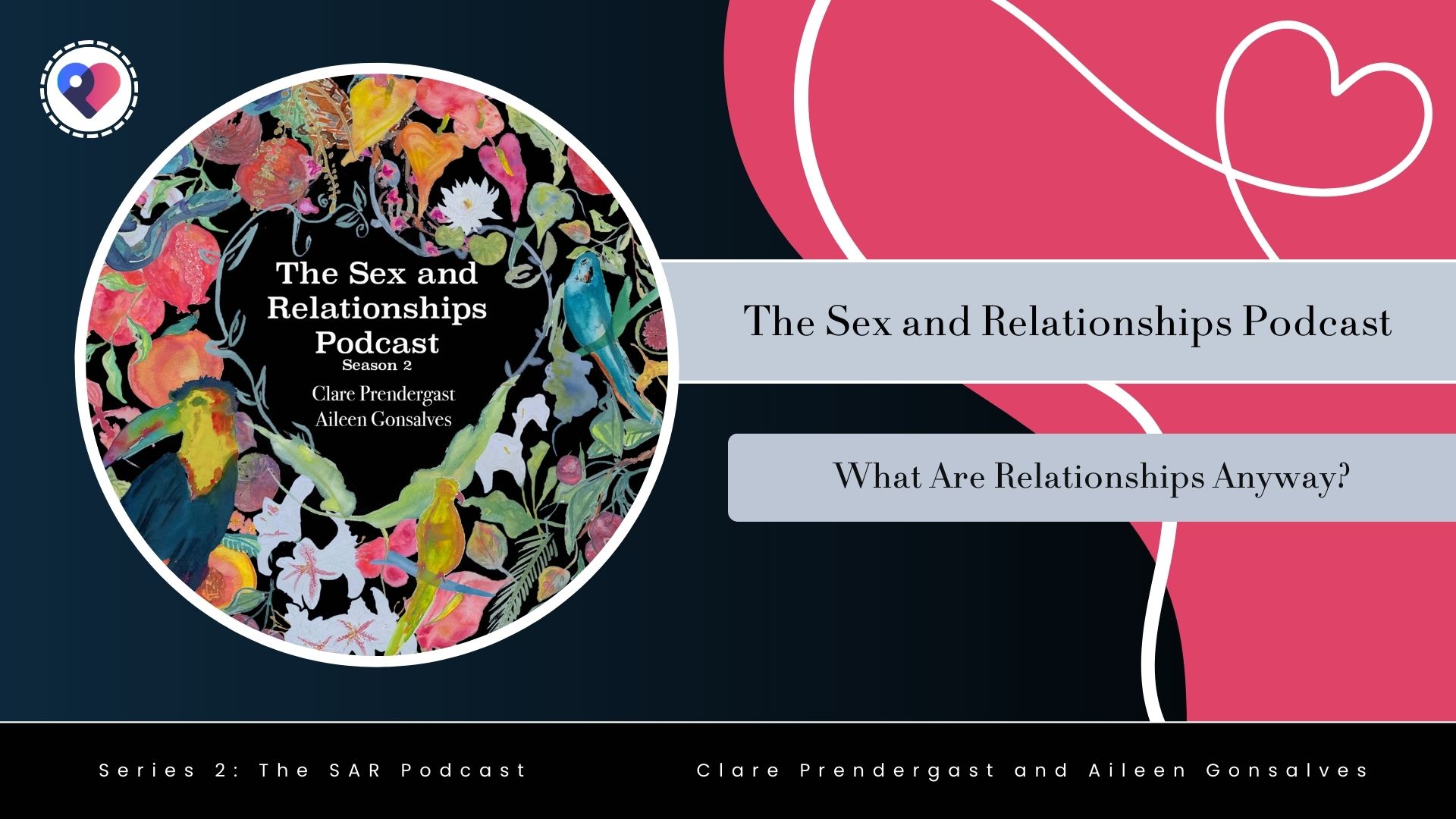
What are relationships anyway?
Relationships – what are they? We often think of relationships as intimate with a partner and yet we actually have hundreds of relationships with friends, family, at work, at play even with nature and beyond. Clare and Aileen kick off the season by discussing the breadth of relationships.
by Thomas Andrew Porteus, MBCS
COVID-19
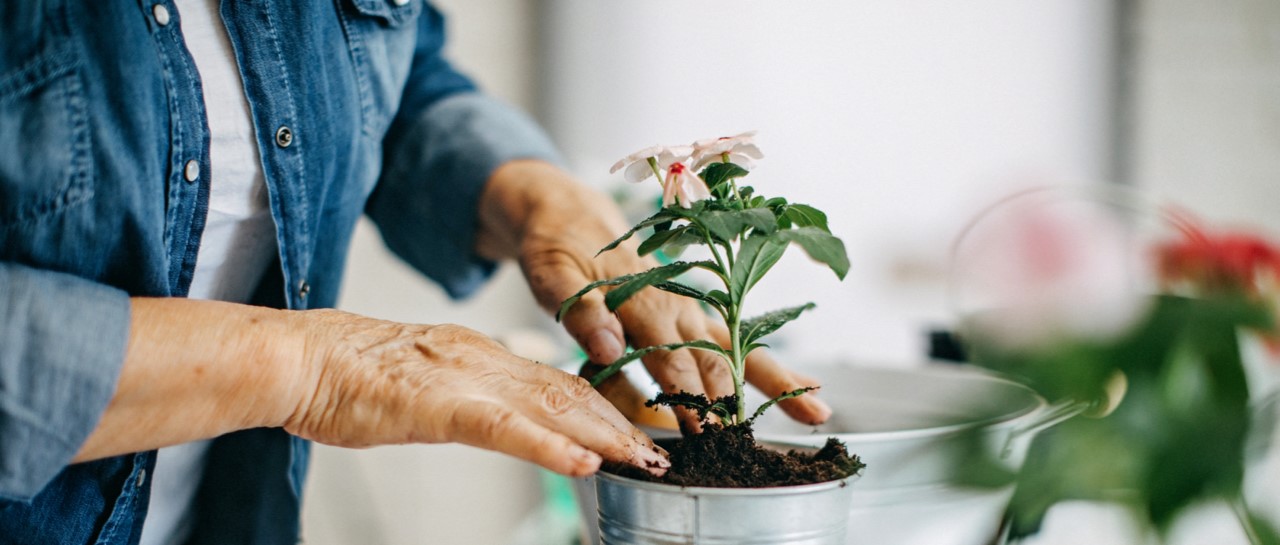
COVID-19: how to support vulnerable friends and family during the coronavirus pandemic
Current coronavirus lockdown measures are especially challenging for older people and those with mental health issues and underlying health conditions. We look at how to support vulnerable loved ones during the COVID-19 pandemic.
by Sally Turner
Related patient information and medicines
Patient information leaflet
Wilson's disease
Without any treatment, the build-up of co... Treatment is with medication to remove the excess copper and/or to prevent a further build-up of copper. What is Wilson's disease. Wilson's disease is a condition where too much copper builds up in the body. It is a rare inherited disorder that affects about 1 in 30,000 people. It is named after Dr.
Patient information leaflet
Can I take Certican (Everolimus) and Matcha together?
Drinking matcha tea while taking Certican (everolimus) may increase the levels of the medication in your bloodstream. This could lead to an increased risk of side effects, such as mouth ulcers, infections, or kidney problems. St John's Wort While not a food, this herbal supplement is often found in teas or health products. You must avoid it as it.
Patient information leaflet
Can I take Aspirin and Nustendi together?
Additionally, if you are taking high doses of aspirin (over 325mg daily), there is a theoretical risk that it could interfere with how bempedoic acid works to lower your cholesterol. Why this happens Aspirin and bempedoic acid (one of the active ingredients in Nustendi) are both processed by the same pathway in the kidneys (OAT3 transporter)..

Patient information leaflet
Genetic testing
We all have 46 chromosomes in our cells. Chromosomes are made from DNA (deoxyribonucleic acid). Genes are short sections of DNA and each chromosome contains hundreds to thousands of genes. Sometimes a gene may change (this is called a mutation) and either cause or increase the risk of a disease or disorder. Note : the information below is a.
Patient information leaflet
Can I take Antibiotics and Paracetamol together?
However, a specific interaction exists with the antibiotic flucloxacillin, which can lead to a rare but serious blood chemistry imbalance called high anion gap metabolic acidosis (HAGMA). Our Medicines Interaction Checker helps you check whether your prescriptions, over-the-counter medicines, and supplements are safe to take together. Simply.

Patient information leaflet
Cystic fibrosis
Cystic fibrosis is an inherited disease which mainly affects the lungs and pancreas but can involve other organs. Symptoms usually begin in early childhood and include persistent cough, wheeze, repeated chest infections, difficulty digesting food and general ill health. Treatments include antibiotics, physiotherapy, medicines for thinning mucus,.
Further reading and references
- solute carrier organic anion transporter family member 1B3; MedlinePlus, National Library of Medicine.
- Konig J, Cui Y, Nies AT, Keppler D. Localization and genomic organization of a new hepatocellular organic anion transporting polypeptide. J Biol Chem. 2000 Jul 28;275(30):23161-8. doi: 10.1074/jbc.M001448200.
- Niemi M, Pasanen MK, Neuvonen PJ. Organic anion transporting polypeptide 1B1: a genetically polymorphic transporter of major importance for hepatic drug uptake. Pharmacol Rev. 2011 Mar;63(1):157-81. doi: 10.1124/pr.110.002857. Epub 2011 Jan 18.
- van de Steeg E, Stranecky V, Hartmannova H, Noskova L, Hrebicek M, Wagenaar E, van Esch A, de Waart DR, Oude Elferink RP, Kenworthy KE, Sticova E, al-Edreesi M, Knisely AS, Kmoch S, Jirsa M, Schinkel AH. Complete OATP1B1 and OATP1B3 deficiency causes human Rotor syndrome by interrupting conjugated bilirubin reuptake into the liver. J Clin Invest. 2012 Feb;122(2):519-28. doi: 10.1172/JCI59526. Epub 2012 Jan 9.
Share your thoughts or experiences with others in our patient communities.
Simple access to trusted treatments and health services online.
Common conditions
Get help with common conditions through the NHS, without a GP appointment.





Sign up to the Patient newsletter
Your weekly dose of clear, trustworthy health advice - written to help you feel informed, confident and in control.
By subscribing you accept our Privacy Policy. You can unsubscribe at any time. We never sell your data.