Is gene therapy available to treat my disorder?
Meets Patient’s editorial guidelines
- DownloadDownload
- Share
- Language
- Discussion
- Ask Patient
- Audio Version
- Add to preferred sources on Google
Gene therapy is currently available primarily in a research setting. The U.S. Food and Drug Administration (FDA) has approved only a small number of gene therapy products for sale in the United States. For example, FDA-approved gene therapies are available for conditions that include a rare eye disorder called Leber congenital amaurosis, a form of skin cancer known as melanoma, and a genetic muscle condition called spinal muscular atrophy. Other genetic therapies have been approved for blood cell cancers such as lymphoma and multiple myeloma. Gene therapies to treat additional conditions have been approved in other countries.https://patient.info/genetics/condition/duchenne-and-becker-muscular-dystrophy
Video picks for Understanding geneticsVideo library
Overview
Gene therapy is currently available primarily in a research setting. The U.S. Food and Drug Administration (FDA) has approved only a small number of gene therapy products for sale in the United States. For example, FDA-approved gene therapies are available for conditions that include a rare eye disorder called Leber congenital amaurosis, a form of skin cancer known as melanoma, and a genetic muscle condition called spinal muscular atrophy. Other genetic therapies have been approved for blood cell cancers such as lymphoma and multiple myeloma. Gene therapies to treat additional conditions have been approved in other countries.https://patient.info/genetics/condition/duchenne-and-becker-muscular-dystrophy
Hundreds of research studies (clinical trials) are under way to test gene therapy as a treatment for genetic conditions, cancer, and HIV/AIDS. If you are interested in participating in a clinical trial, talk with your doctor or a genetics professional about how to participate.
Patient picks for Understanding genetics
Children's health
What is a genetic disorder?
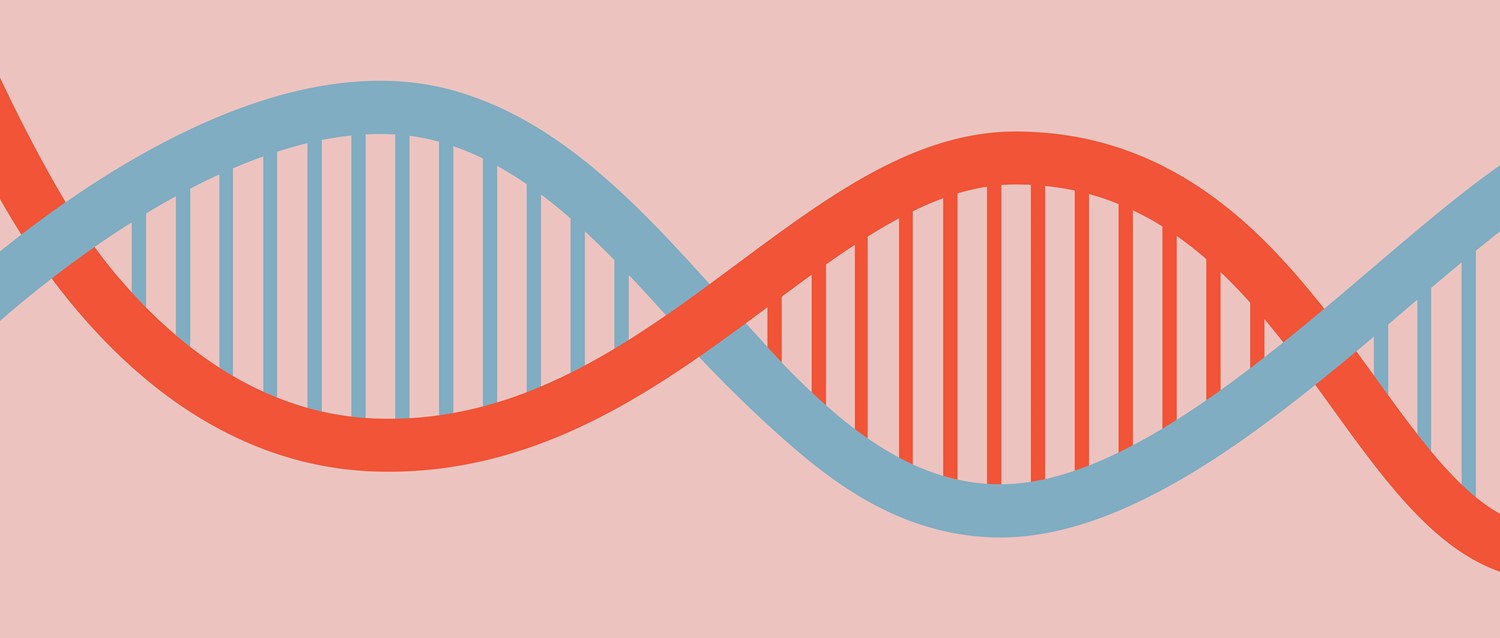
It's estimated that one in 25 children in the UK are affected by a genetic disorder - that's around 30,000 babies and children being newly diagnosed each year. Ahead of Jeans for Genes Day on Friday 21st September, an expert reveals seven things you probably didn't know about genetic conditions.
by Natalie Healey

Treatment and medication
What to do if your medication isn't available
If you take medicine then you're no stranger to regularly picking up a prescription - but what happens when it isn't available? There are many reasons why medicine may become unavailable and it's important you know what to do if this happens to your prescription.
by Victoria Raw
Children's health
Dyspraxia
Developmental co-ordination disorder (DCD), also known as dyspraxia, is a common condition which mainly affects motor co-ordination - the way the body organises and carries out movement-related tasks. It can also affect other activities, including speech. Dyspraxia occurs in children and adults. Dyspraxia means poor co-ordination, but the term 'dyspraxia' is widely used to describe developmental dyspraxia in children. Health professionals now call this development co-ordination disorder, to distinguish it from similar problems (also called dyspraxia) caused by other medical conditions - for example, movement problems after head injury or stroke. However, in this leaflet we will use the commonly used term 'dyspraxia' to refer to childhood DCD. Additionally, dyspraxia in children is sometimes referred to by health professionals as 'specific developmental disorder of motor function' (SDDMF).
by Dr Toni Hazell, FRCGP
Senior health
Diogenes syndrome
Diogenes syndrome is uncommon but can be easily missed, especially in an elderly person living on their own. People with Diogenes syndrome often cause problems for neighbours because of hoarding and neglect, and so aren't always treated with compassion. In any case, they are usually very reluctant to ask for help.
by Dr Colin Tidy, MRCGP
Treatment and medication
What is red light therapy? Benefits and risks
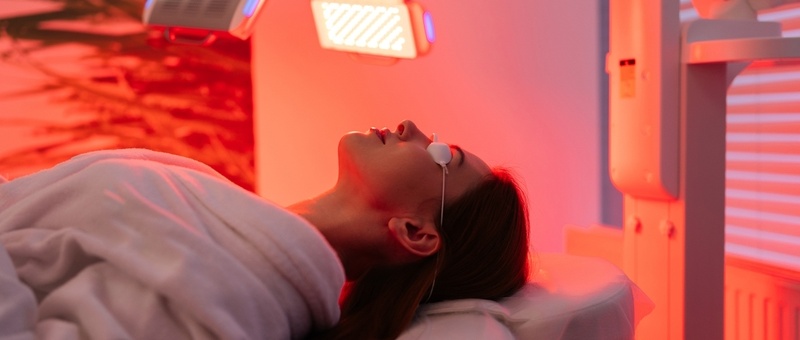
Red light therapy is growing in popularity as a non-invasive treatment for a range of health and cosmetic concerns. Promoted for everything from skin rejuvenation to pain relief, this therapy is now widely available in clinics and even at home. But what is red light therapy, how does it work, and is it safe?
by Josh Alderman

Treatment and medication
How to decide between different types of therapy
Therapy is in demand more than ever before in the UK, with an increasing number of people seeking professional mental health support. However, it can be difficult to distinguish between the different types of therapy available - especially privately - and to know what kind of therapist or counsellor you need.
by Lydia Smith
Related patient information and medicines

Patient information leaflet
Huntington's disease
Huntington's disease is a genetically inherited condition that causes parts of the brain and nervous system to stop working properly over time. It is a slowly progressive condition that interferes with the movements of your body, thinking and judgement, and can lead to a change in your behaviour. What is Huntington's diseaseHuntington's disease is.

Patient information leaflet
Glycogen storage disorders
Glycogen storage disorders are a group of inherited diseases. Other clinical trials are underway that are looking at gene therapy as a treatment. This is where doctors and scientists aim to cure genetic diseases by introducing normal genes into patients to overcome the effects of faulty genes, using techniques of genetic engineering. What is the.

Patient information leaflet
Haemophilia
Haemophilia is a rare bleeding disorder that affects your ability to make a clot. The blood contains substances called clotting factors that work with platelets to form a clot. When you injure yourself t... Blood from the umbilical cord can be tested at birth. Haemophilia treatment Currently there is no cure for haemophilia, but the available.
Patient information leaflet
Cancer treatment
Som... More specific immunotherapy involves injections of antibodies which aim to attack and destroy certain types of cancer cells. Research is underway to try to find vaccines that would stimulate your own immune system to make antibodies against cancer cells. Gene therapy. This is a new area of possible treatments. Research is underway to find.

Patient information leaflet
Myelofibrosis
Myelofibrosis is a condition affecting the bone marrow and its blood cell production. ... that occurs in most people affected by myelofibrosis is a mutation in Janus KinaseDr Sarah Jarvis, December 2021 NICE guidance on drug treatments for myelofibrosis Fedratinib for treating disease-related splenomegaly or symptoms in myelofibrosis The National.

Patient information leaflet
Haemochromatosis
Haemochromatosis is an inherited (genetic) disorder which causes the body to absorb too much iron from the diet. This excess iron causes damage to organs in which it builds up. The main treatment is the regular removal of blood which helps t... What is haemochromatosis. Dr Sarah Jarvis MBE, GP and Clinical Director of Patient.info Haemochromatosis.
Further reading and references
- Is gene therapy available to treat my disorder?; MedlinePlus, National Library of Medicine.
Share your thoughts or experiences with others in our patient communities.
Simple access to trusted treatments and health services online.
Common conditions
Get help with common conditions through the NHS, without a GP appointment.





Sign up to the Patient newsletter
Your weekly dose of clear, trustworthy health advice - written to help you feel informed, confident and in control.
By subscribing you accept our Privacy Policy. You can unsubscribe at any time. We never sell your data.