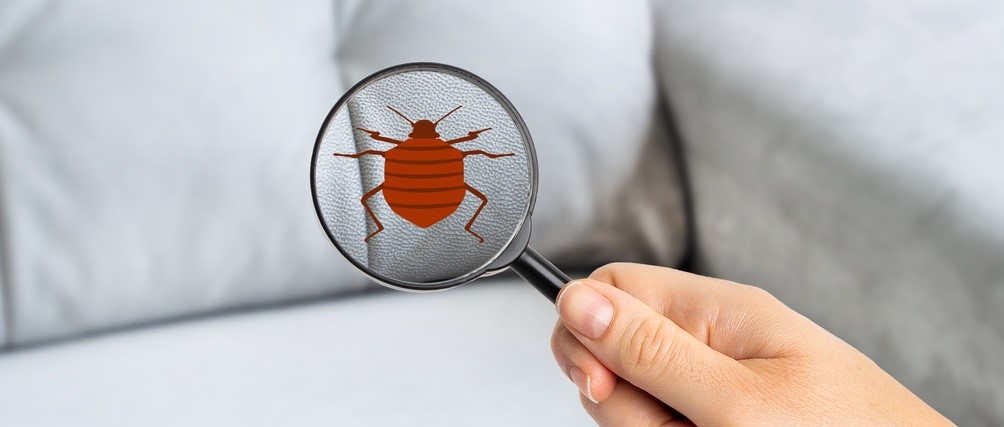
How to spot bedbugs and get rid of them
Peer reviewed by Dr Colin Tidy, MRCGPAuthored by Lydia SmithOriginally published 10 Oct 2023
Meets Patient’s editorial guidelines
- DownloadDownload
- Share
- Language
- Discussion
- Ask Patient
- Audio Version
- Add to preferred sources on Google
An infestation of bedbugs in France has led to concerns that the insects will find their way to the UK. Unfortunately, bedbugs are pretty common - but there are steps you can take to keep them out of your bedroom. Here we look at how you can tell if you have bedbugs, and what to do about it if you do.
Need relief from bites and stings?
Get expert healthcare advice from the comfort of home. Complete a quick online consultation, available 24/7, with your request reviewed by a UK-registered clinician. Next day delivery available on eligible treatments.

Video picks for Other infectionsVideo library
What are the signs of bedbugs?
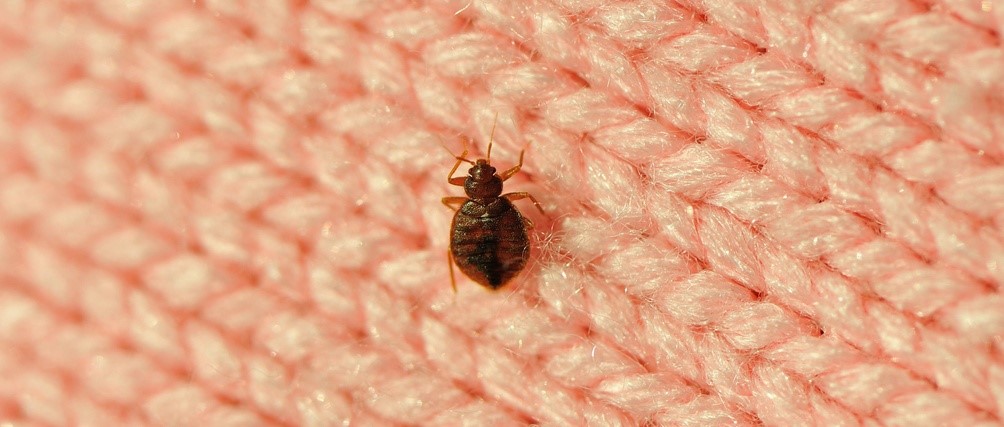
Bedbugs are small insects that live on furniture or bedding - and can be found on mattresses, clothing or bed frames. Although their bites are often itchy, they tend not to cause any other health issues.
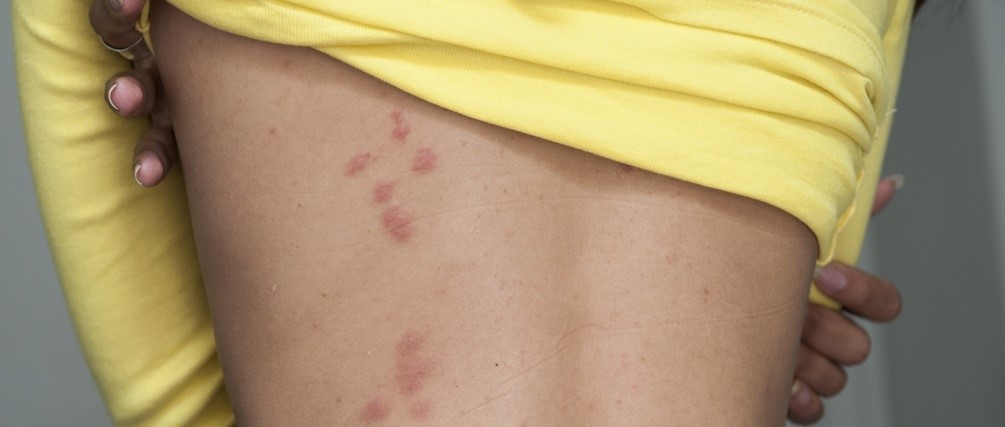
The signs of bedbugs include bites on your skin which are raised and itchy. They may appear red or purple, depending on your skin tone. Often the bites appear in groups or lines.
You might see spots of blood on your bedding, either from the bites or from squashing a bedbug. Sometimes, infestations may be accompanied by a musty smell.
There might also be bedbug poo on your bedding, which looks like tiny brown spots.
Some people have a reaction to the bites. They can be very itchy and there may be swelling. A severe allergic reaction (anaphylaxis) is rare but possible - signs include itchy skin rashes, trouble breathing, wheezing, swollen lips, vomiting and stomach pains. This is a medical emergency and you should get help straightaway.
What does a bedbug look like?
How to treat bedbug bites
Bedbug bites usually clear up on their own in a week or so. You should try not to scratch them and to keep them clean to avoid getting an infection. You can soothe them with a cool, damp cloth if they are sore or itchy.
You can get a mild steroid cream or antihistamines from your pharmacy to reduce itching or swelling.
If the redness or swelling isn’t going away or is spreading, you may have an infection and you should see your doctor.
What does a bedbug bite look like?
How to get rid of bedbugs
To get rid of bedbugs, you should wash your bedding and clothing on a hot wash at 60C. You can also buy special detergent that is designed to kill bedbugs - but it may not be suitable for people with sensitive skin.
You could also use a handheld steamer on mattresses, sofas, and other places where bedbugs hide.
Deep cleaning your mattress regularly will allow you to spot bedbugs, so you can get rid of them before they spread. Check all areas of your bedroom or affected room for signs of bedbugs, including the walls, wallpaper, curtains, cushions and furniture.
Cleaning and vacuuming regularly will also keep bedbugs at bay. Insecticide sprays can also be used to kill the bugs.
Patient picks for Other infections

Digestive health
How to get rid of threadworms
Threadworm infections, although relatively harmless, can be both irritating and distressing - but whilst it's not something we often discuss with family and friends, chances are many of the people you know will have had to deal with this problem at one time or another. Threadworm eggs are easily spread, and infection is more common than you might imagine.
by Gillian Harvey

Podcasts
Me-topia
If you always come last on the priority list, it’s time to learn why ‘Being Selfish for the Team’ helps everyone.
by Thomas Andrew Porteus, MBCS

Digestive health
How to get rid of haemorrhoids
Are you sitting comfortably? If you've got haemorrhoids (piles), chances are, you're not. Around half of us will experience the nuisance and discomfort of haemorrhoids at some point in our lives. So what are they, what causes them and how can they be treated?
by Gillian Harvey
Podcasts
Me and myself
In this episode, Clare and Aileen turn their attention to what they describe as the primary relationship - the relationship we have with ourselves - and why it is so often the one we neglect, misunderstand or actively sideline.
by Thomas Andrew Porteus, MBCS

Podcasts
Victims and villains
What happens when you argue with your partner? Clare and Janet explore the real reasons we fight and how to do conflict well.
by Thomas Andrew Porteus, MBCS

Brain and nerves
Brain fog: what it is and how to get rid of it
GPs have long been used to hearing the term 'brain fog' from patients, even though it isn't a formal medical condition. But in the last two years brain fog has become a hot topic, and one that patients are increasingly asked about. That, of course, is courtesy of long COVID, which is now affecting about 1.8 million people in the UK. But ME/CFS (which used to be called chronic fatigue syndrome) and menopause, along with other conditions, can also lead to similar symptoms.
by Dr Sarah Jarvis
About the authorView full bio
Authored by

Lydia Smith
Feature writer
BA, MA, MSc
Lydia Smith is an award-winning journalist and feature writer who has written extensively on women's health and mental health. She is currently studying for an MSc in psychology.
About the reviewerView full bio

Dr Colin Tidy, MRCGP
General Practitioner, Medical Author
MBBS, MRCGP, MRCP (Paediatrics), DCH
Dr Colin Tidy is an NHS Doctor, based in Oxfordshire.
Article history
Article also available in English, German, Spanish, French, Italian, Portuguese, Hindi, Hebrew, Arabic, and Swedish.
10 Oct 2023 | Originally published
Authored by:
Lydia SmithPeer reviewed by
Dr Colin Tidy, MRCGP
Share your thoughts or experiences with others in our patient communities.
Sign up to the Patient newsletter
Your weekly dose of clear, trustworthy health advice - written to help you feel informed, confident and in control.
By subscribing you accept our Privacy Policy. You can unsubscribe at any time. We never sell your data.