ATPase copper transporting alpha
Last updated 7 Mar 2023
Meets Patient’s editorial guidelines
- DownloadDownload
- Share
- Language
- Discussion
- Audio Version
- Add to preferred sources on Google
The ATP7A gene provides instructions for making a protein that is important for regulating copper levels in the body. Copper is necessary for many cellular functions, but it is toxic when present in excessive amounts. The ATP7A protein is found throughout the body, except in liver cells. In the small intestine, this protein helps control the absorption of copper from food. In other cells, the ATP7A protein has a dual role and shuttles between two cellular locations. The protein normally resides in a cell structure called the Golgi apparatus, which modifies newly produced proteins, including enzymes. In the Golgi apparatus, the ATP7A protein supplies copper to certain enzymes that are critical for the structure and function of bone, skin, hair, blood vessels, and the nervous system. If copper levels in the cell environment are elevated, however, the ATP7A protein moves to the cell membrane and eliminates excess copper from the cell.
Normal function
The ATP7A gene provides instructions for making a protein that is important for regulating copper levels in the body. Copper is necessary for many cellular functions, but it is toxic when present in excessive amounts. The ATP7A protein is found throughout the body, except in liver cells. In the small intestine, this protein helps control the absorption of copper from food. In other cells, the ATP7A protein has a dual role and shuttles between two cellular locations. The protein normally resides in a cell structure called the Golgi apparatus, which modifies newly produced proteins, including enzymes. In the Golgi apparatus, the ATP7A protein supplies copper to certain enzymes that are critical for the structure and function of bone, skin, hair, blood vessels, and the nervous system. If copper levels in the cell environment are elevated, however, the ATP7A protein moves to the cell membrane and eliminates excess copper from the cell.
Conditions referring to this gene or chromosome
Other names
ATP7A_HUMAN
ATPase, Cu++ transporting, alpha polypeptide
ATPase, Cu++ transporting, alpha polypeptide (Menkes syndrome)
ATPP1
copper pump 1
MC1
MK
MNK
OHS
Related patient information and medicines

Patient information leaflet
Wilson's disease
Wilson's disease is a genetic disorder in which copper builds up in the body, mainly in the liver and brain. Without any treatment, the build-up of copper can cause serious symptoms. Treatment is with medication to remove the excess copper and/or to prevent a further build-up of copper. What is Wilson's disease. Wilson's disease is a condition.

Patient information leaflet
Liver function tests
Liver function tests are a set of blood tests commonly done to check on the health of your liver. Changes in liver function tests give a clue as to whether your liver is under strain, inflamed, infected or diseased, and how badly. Alpha-fetoprotein (maternal levels help look at the health of the baby during pregnancy, and levels are also raised.
Patient information leaflet
Pituitary gland disorders
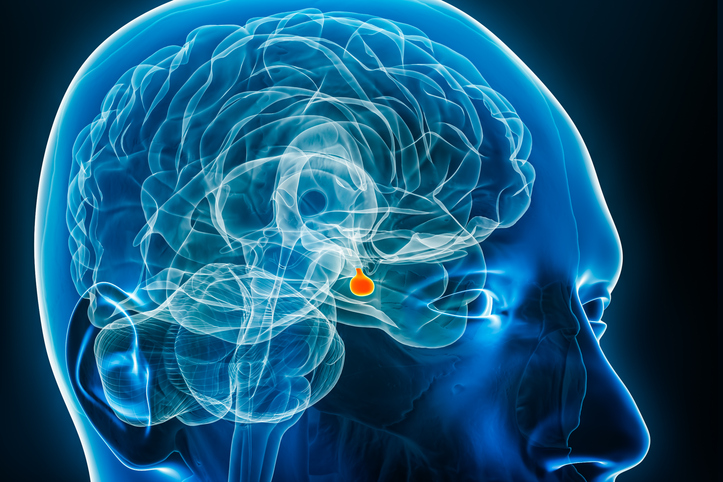
This leaflet gives a brief overview of the pituitary gland and the hormones it makes. The pituitary gland is found at the base of the brain and is 'pea-sized'. The pituitary gland is an overall controller of a number of other glands in the body, overseeing the function of these organs through hormones. Some of the pituitary gland disorders.

Patient information leaflet
Zinc deficiency, excess and supplementation
Zinc is needed for many of the chemical reactions which are going on inside us all the time at micro-level. We get zinc from our diets but not getting enough can cause a wide variety of symptoms, some of which are very vague. As well as many chemical reactions in our bodies, zinc is needed for: Our immune systems to work well to fight off.

Patient information leaflet
Epididymo-orchitis
Epididymo-orchitis is an inflammation of the epididymis and/or testicle. The epididymis and testicle can swell and the scrotum may become enlarged, tender and red. In adults, epididymo-orchitis is usually due to infection, most commonly from a urine infection or a sexually transmitted infection. A course of antibiotic medicine will usually clear.
Patient information leaflet
Epididymal cyst
An epididymal cyst is a harmless fluid-filled growth on a man's testicle (testis). They are quite common and don't usually require treatment. Many men feel them and are concerned that they have testicular cancer, but a doctor can usually tell the difference by examination and/or using an ultrasound scan. What is an epididymal cyst. An epididymal.
Further reading and references
- ATPase copper transporting alpha; MedlinePlus, National Library of Medicine.
- Barnes N, Tsivkovskii R, Tsivkovskaia N, Lutsenko S. The copper-transporting ATPases, menkes and wilson disease proteins, have distinct roles in adult and developing cerebellum. J Biol Chem. 2005 Mar 11;280(10):9640-5. doi: 10.1074/jbc.M413840200. Epub 2005 Jan 5.
- Bertini I, Rosato A. Menkes disease. Cell Mol Life Sci. 2008 Jan;65(1):89-91. doi: 10.1007/s00018-007-7439-6.
- de Bie P, Muller P, Wijmenga C, Klomp LW. Molecular pathogenesis of Wilson and Menkes disease: correlation of mutations with molecular defects and disease phenotypes. J Med Genet. 2007 Nov;44(11):673-88. doi: 10.1136/jmg.2007.052746. Epub 2007 Aug 23.
- Donsante A, Tang J, Godwin SC, Holmes CS, Goldstein DS, Bassuk A, Kaler SG. Differences in ATP7A gene expression underlie intrafamilial variability in Menkes disease/occipital horn syndrome. J Med Genet. 2007 Aug;44(8):492-7. doi: 10.1136/jmg.2007.050013. Epub 2007 May 11.
- Greenough M, Pase L, Voskoboinik I, Petris MJ, O'Brien AW, Camakaris J. Signals regulating trafficking of Menkes (MNK; ATP7A) copper-translocating P-type ATPase in polarized MDCK cells. Am J Physiol Cell Physiol. 2004 Nov;287(5):C1463-71. doi: 10.1152/ajpcell.00179.2004. Epub 2004 Jul 21.
- Harris ED. Basic and clinical aspects of copper. Crit Rev Clin Lab Sci. 2003 Oct;40(5):547-86.
- Kaler SG. Metabolic and molecular bases of Menkes disease and occipital horn syndrome. Pediatr Dev Pathol. 1998 Jan-Feb;1(1):85-98. doi: 10.1007/s100249900011.
- Moller LB, Tumer Z, Lund C, Petersen C, Cole T, Hanusch R, Seidel J, Jensen LR, Horn N. Similar splice-site mutations of the ATP7A gene lead to different phenotypes: classical Menkes disease or occipital horn syndrome. Am J Hum Genet. 2000 Apr;66(4):1211-20. doi: 10.1086/302857. Epub 2000 Mar 17.
- Prohaska JR. Role of copper transporters in copper homeostasis. Am J Clin Nutr. 2008 Sep;88(3):826S-9S. doi: 10.1093/ajcn/88.3.826S.
- Tang J, Robertson S, Lem KE, Godwin SC, Kaler SG. Functional copper transport explains neurologic sparing in occipital horn syndrome. Genet Med. 2006 Nov;8(11):711-8. doi: 10.1097/01.gim.0000245578.94312.1e.
- Voskoboinik I, Camakaris J. Menkes copper-translocating P-type ATPase (ATP7A): biochemical and cell biology properties, and role in Menkes disease. J Bioenerg Biomembr. 2002 Oct;34(5):363-71. doi: 10.1023/a:1021250003104.
Join the conversation
Share your thoughts or experiences with others in our patient communities.

Ask, share, connect.
Browse discussions, ask questions, and share experiences across hundreds of health topics.
Sign up to the Patient newsletter
Your weekly dose of clear, trustworthy health advice - written to help you feel informed, confident and in control.
By subscribing you accept our Privacy Policy. You can unsubscribe at any time. We never sell your data.